




Grand Tour Alabaster Statue
A grand tour alabaster statue brings classical antiquity directly into the home, offering the carved elegance of Italian sculpture from centuries past.
Grand Tour Alabaster Statue
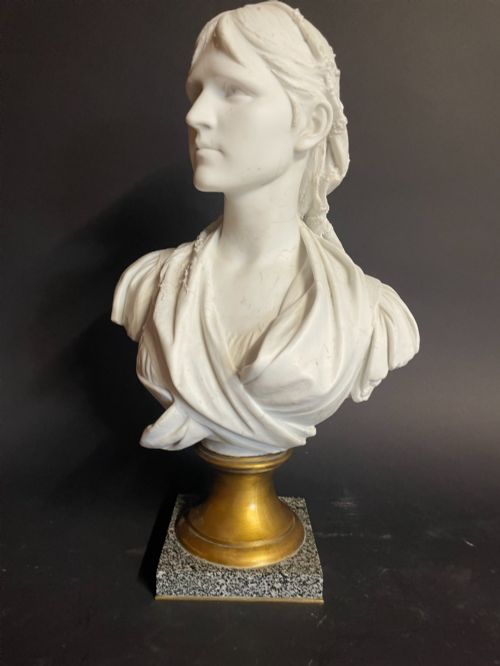
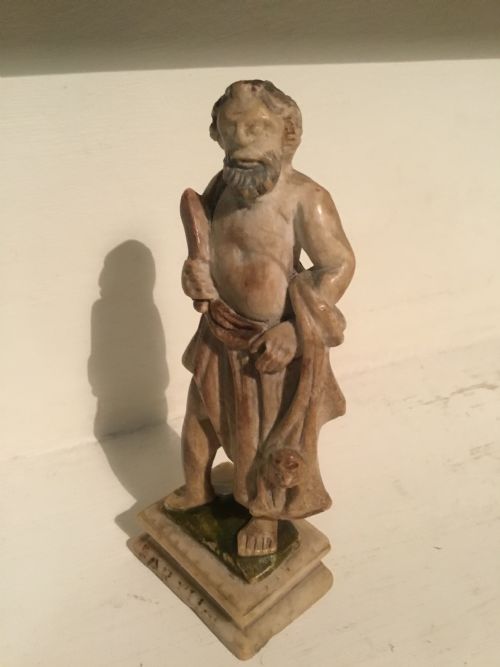
When you search for a grand tour alabaster statue, you are looking at carved representations of classical figures, mythological subjects, and historical personages produced in Italy for foreign travellers. These pieces span from the seventeenth century through to the Edwardian period, though nineteenth century examples appear most frequently in the listings here.
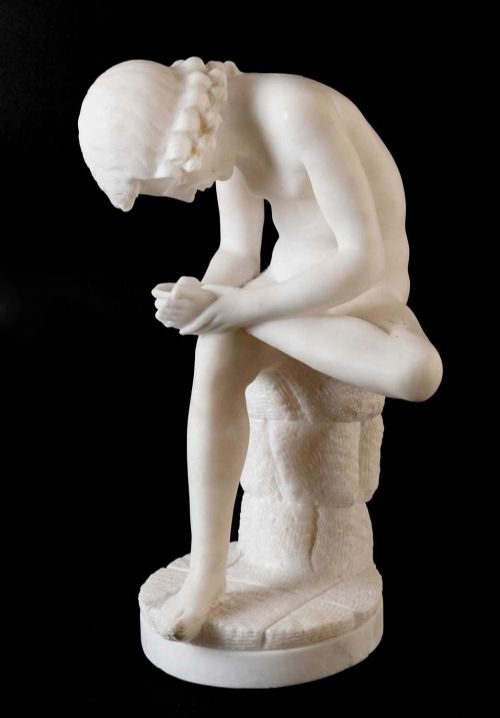
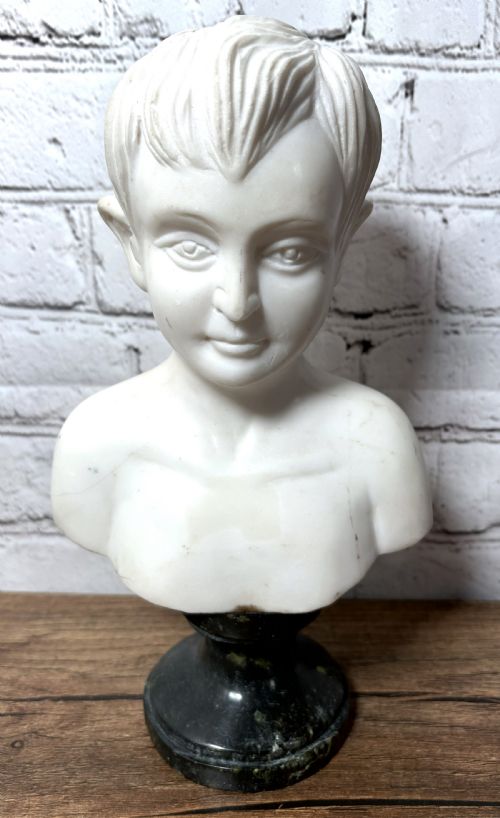
The subjects range widely, including mythological deities such as Diana and classical figures like the Spinario or the Dying Gaul, alongside portraits of Roman philosophers, Dante, and various ladies or gentlemen. Forms include single standing figures, library busts, sculptural groups, and matched pairs functioning as bookends.
Most items reflect Neoclassical and Baroque stylistic influences, capturing the artistic heritage of Rome and Florence for collectors who undertook the traditional continental tour. They provide a tangible link to European travel culture and nineteenth century interior decoration.
Assessing Quality
The choice of material also distinguishes the range, with select pieces utilising high-grade veined Carrara marble or finely figured alabaster. Signed works by known Florentine or Italian sculptors carry particular distinction compared to anonymous studio output.
Antonio Frilli·Prof A Petrellli
The Grand Tour Alabaster Statue Glossary
- Grand Tour
- A cultural journey through Europe undertaken by young upper-class Europeans from the seventeenth through the nineteenth centuries. It resulted in the acquisition of art and antiquities.
- Alabaster
- A soft mineral often used for carving statues and vases. Its translucence allows light to penetrate the surface slightly.
- Neoclassical
- An artistic style inspired by the art of classical antiquity. It values symmetry, proportion, and restrained ornamentation.
- Carrara Marble
- A type of white or blue-grey marble from the city of Carrara in Italy. Sculptors prized it for its purity and fine grain.
- Spinario
- A Greco-Roman Hellenistic bronze sculpture of a boy pulling a thorn from his foot. It remained a popular subject for later grand tour copies.
Grand Tour Alabaster Statue: Frequently Asked Questions
What is a grand tour alabaster statue?
These are small or cabinet-scale sculptures carved from stone in Italy during the eighteenth and nineteenth centuries. Wealthy travellers purchased them as souvenirs of their educational journeys across Europe.
The subjects usually replicate famous ancient Greek and Roman sculptures housed in Italian museums and galleries. They served to demonstrate the owner's classical learning and refined taste upon returning home.
How do I date a marble sculpture?
Dating relies on stylistic clues, the type of marble or alabaster used, and the finish of the stone surface. Nineteenth century examples often show the influence of contemporary Italian workshops and revival movements.
Examining the underside, mounting methods, and any signature or foundry marks helps narrow down the period. Earlier pieces from the seventeenth or eighteenth century display different tool marks and patination compared to Victorian era works.
Where were these statues displayed?
In nineteenth century homes, these sculptures sat upon library tables, mantelpieces, and dedicated pedestals. They formed part of wider collections of antiquities and works of art housed in studies or drawing rooms.
Pairs were frequently utilised as decorative bookends flanking leather-bound volumes on bookshelves. Their modest scale allowed them to fit easily into domestic interior schemes.
How do I clean alabaster?
Alabaster is a relatively soft and porous stone that dissolves easily in water, requiring dry cleaning methods. A soft, clean brush or microfiber cloth removes dust without scratching the delicate surface.
Moisture and harsh cleaning agents must be avoided entirely to prevent permanent staining or pitting of the stone. Professional advice should be sought for pieces that require deeper conservation.