




Green Marble Console Table
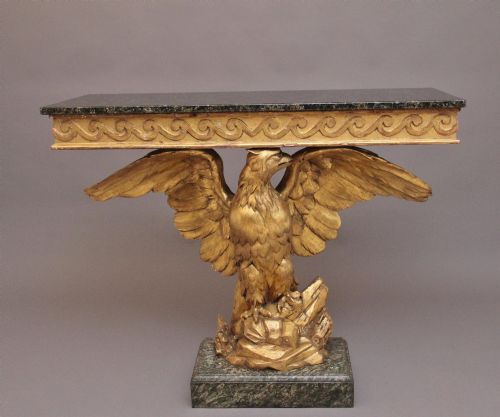
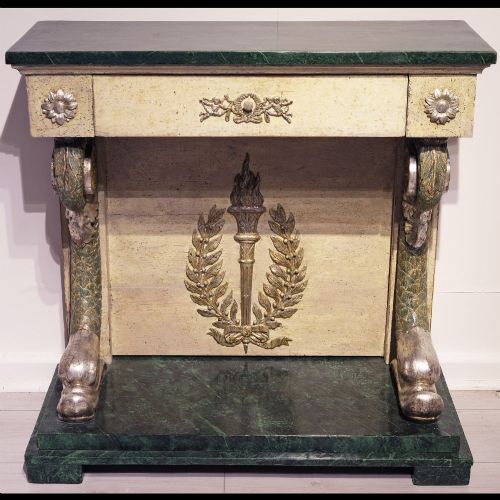
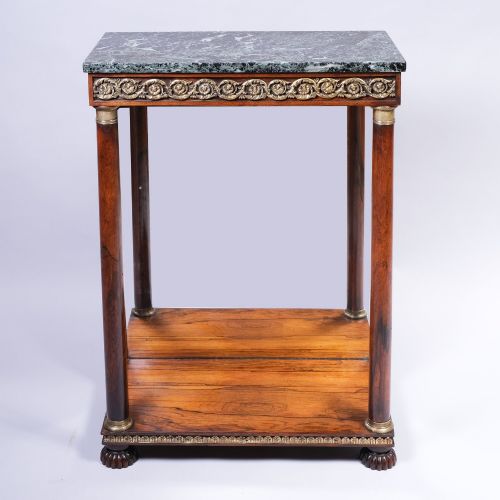
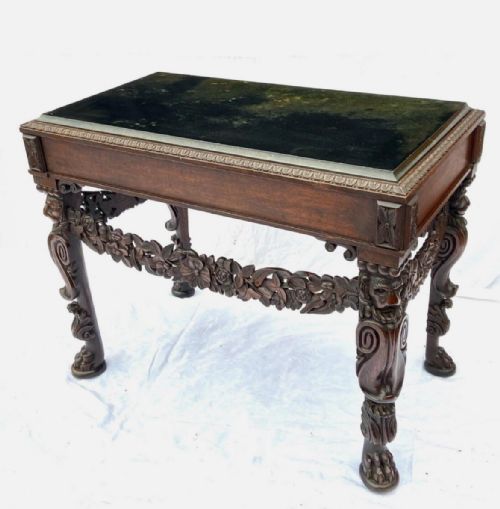
These green marble console table examples bring striking mineral surfaces and architectural frames to an interior, built for display against a wall.
What they are
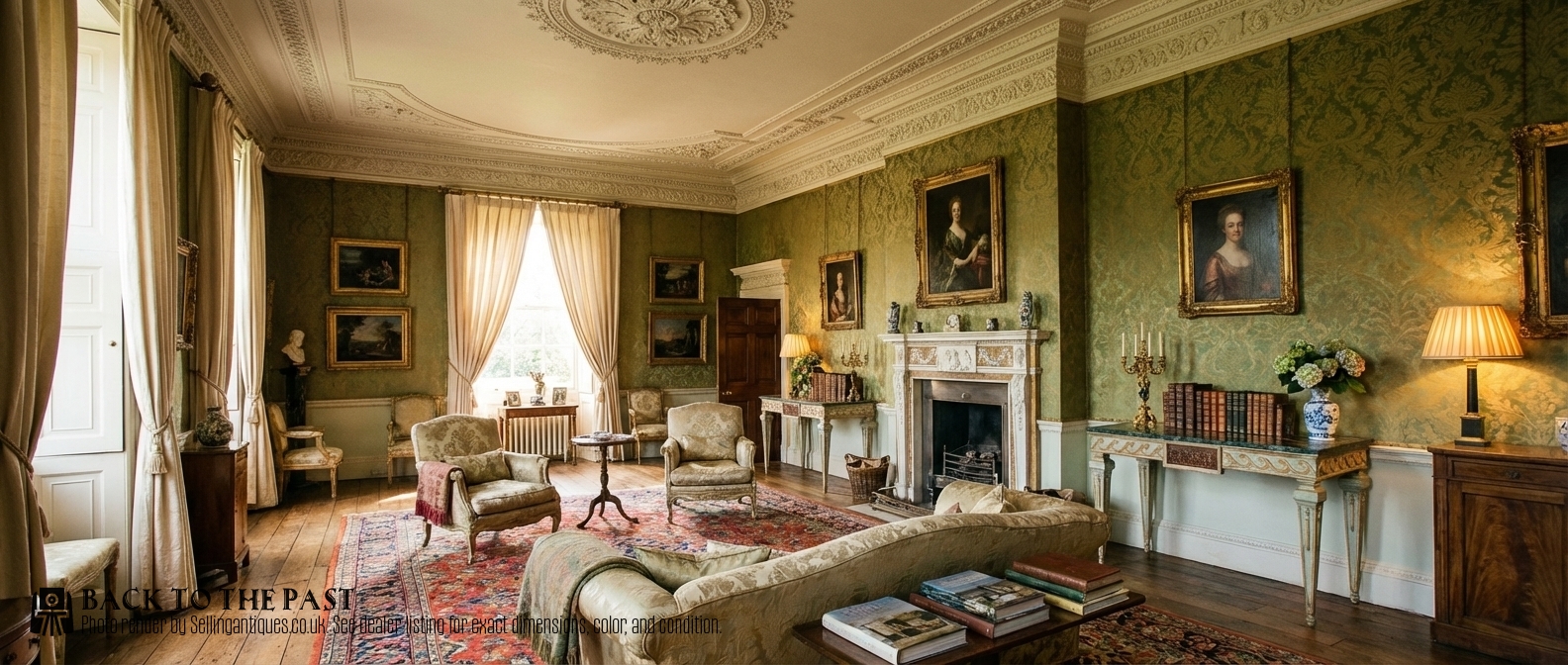
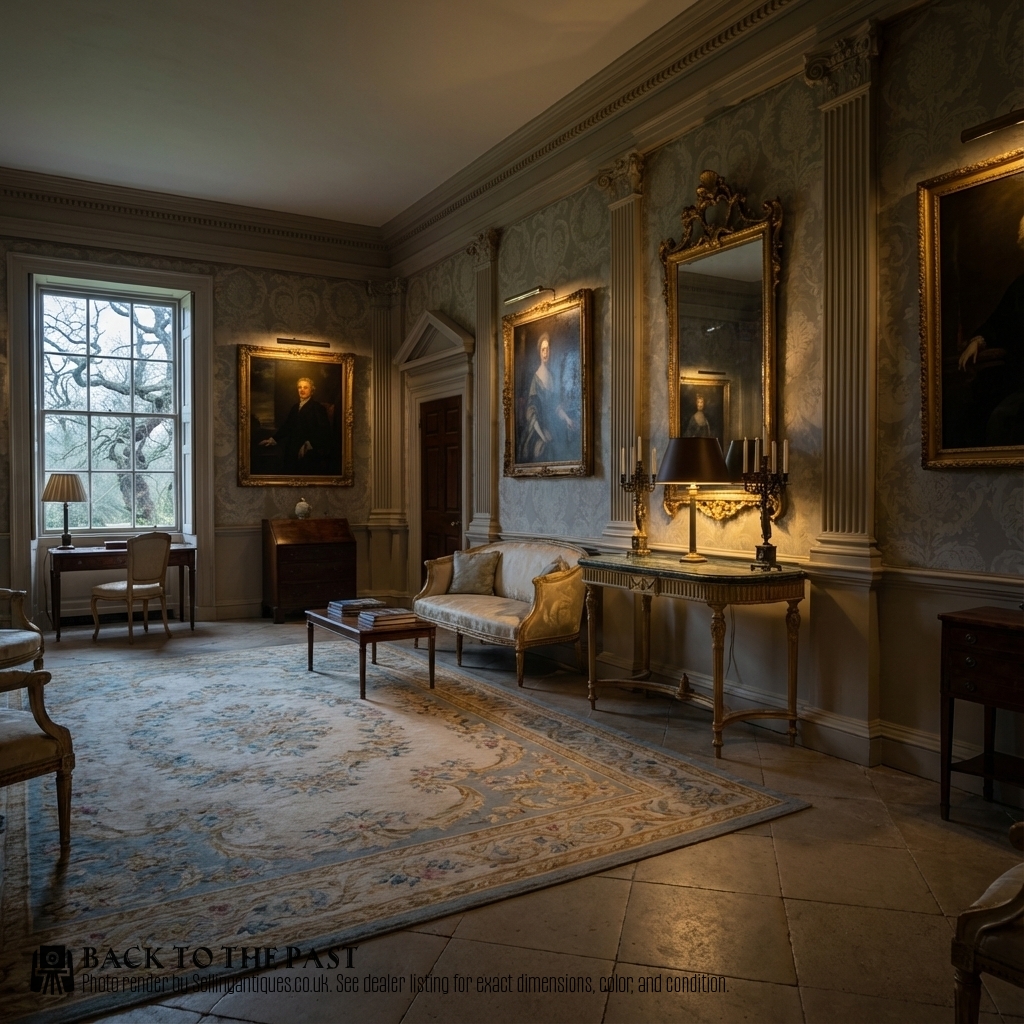
A green marble console table sits flat against a wall, often beneath a mirror or art, serving as a decorative surface in a hallway or reception room. The green marble top provides a heavy, cool contrasting plane above a carved or painted wooden base.
The pieces listed span the eighteenth century, the nineteenth century, and the early twentieth century, showing styles such as Neoclassical, Gustavian, Rococo, and Adams. Makers and designers also produced specific motifs like the Centaur design during these periods.
Most examples combine timber frames with stone surfaces, though some items feature later replacement tops or specific regional origins such as Italy and France. These tables range from restrained Scandinavian Gustavian lines to ornate giltwood and gesso carvings.
How they were made
Frames rely on traditional woodworking techniques using mahogany, walnut, or softer woods prepared for surface decoration. Carvers applied gesso to wooden mouldings before adding paint, gilding, or metallic finishes.
Tops consist of slabs of marble, occasionally using specimen marble arrangements or green varieties shaped to fit the rectangular or shaped rails of the base. Giltwood and painted surfaces receive hand finishes that interact with the polished stone above.
Retail Price Guide 2026
Typical UK retail prices for green marble console table, calculated from the Sellingantiques database of over a million retail prices indexed since 2003. This retail price guide relies exclusively on Sellingantiques data; no external sources or auction records are used, so the figures do not describe the wider market.
What varies in quality
The finesse of the carved gesso and woodwork distinguishes standard joinery from superior workshop output, particularly in the depth and sharpness of Rococo or Neoclassical motifs. Original gilding and hand-painted details hold greater merit than later surface interventions.
The mineral character of the marble top, including the depth of the green veining and whether the stone forms an original pairing with the base, dictates the aesthetic standing of the piece. Integrated design harmony between the stone slab and the supporting frame separates ordinary examples from finer works.
The Green Marble Console Table Glossary
- Console table
- A table designed to stand against a wall, historically supported by brackets or legs at the front. These pieces serve decorative functions in entrance halls and reception rooms.
- Giltwood
- Timber coated with a thin layer of gold leaf over a prepared gesso ground. This finish reflects light and creates a bright ornamental surface.
- Gesso
- A plaster mixture applied to wood frames to provide a smooth base for gilding or painting. It allows craftsmen to carve crisp decorative details.
- Gustavian
- The Swedish interpretation of French neoclassical design, characterised by restrained lines and pale painted finishes. This style appears frequently in eighteenth-century pieces.
- Specimen marble
- A decorative surface composed of various types and colours of marble arranged in geometric or pictorial patterns. Such tops display mineral variety and specialised stonemasonry.
Frequently Asked Questions
Where do you place a console table?
These tables belong against a wall in hallways, reception rooms, or entrance spaces where floor depth is limited. They provide a surface for lamps, decorative objects, or mirrors hung directly above.
Because they stand shallow against the wall, they offer functional display space without obstructing movement through a room.
How do I identify a Gustavian console?
Gustavian pieces display the restrained, neoclassical influences popular in Sweden during the late eighteenth century. Look for pale painted surfaces, fluted legs, and subtle carved details rather than heavy gilding.
These tables prioritize architectural balance and lighter proportions typical of Scandinavian cabinetmaking of the period.
Are marble tops original to the tables?
Marble tops sometimes date to a different period than the wooden base underneath. Historical pieces occasionally received replacement stone slabs due to wear or damage over centuries of use.
Examining the fit of the marble against the wooden rails helps determine whether the top and base have a long association.
What is giltwood?
Giltwood describes timber that has been covered in fine gold leaf applied over a prepared gesso ground. This technique creates a luminous metallic finish that catches interior light.
Craftsmen used this method extensively on eighteenth- and nineteenth-century frames to denote high status and decorative richness.