
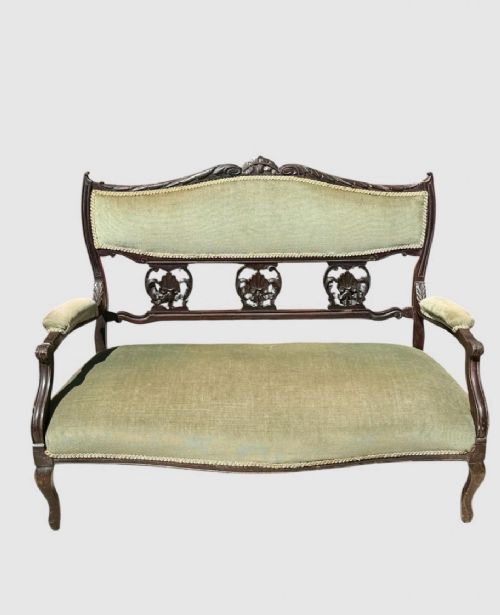


Green Mahogany Settee
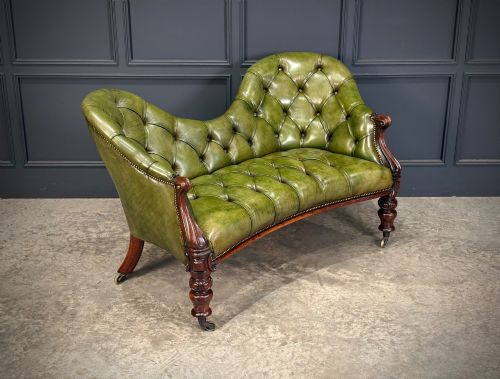
A green mahogany settee brings rich timber frames and verdant upholstery together, offering a stately seat for a drawing room or hall.
Green Mahogany Settee
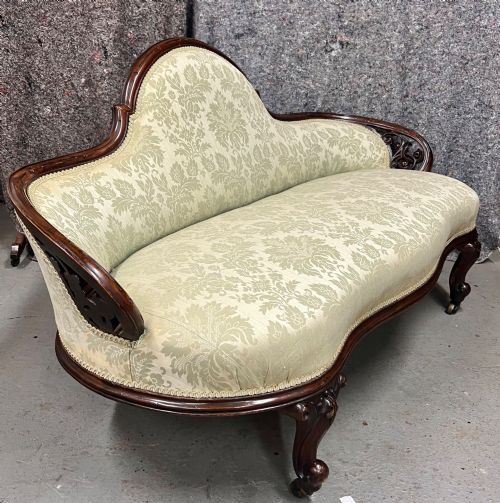
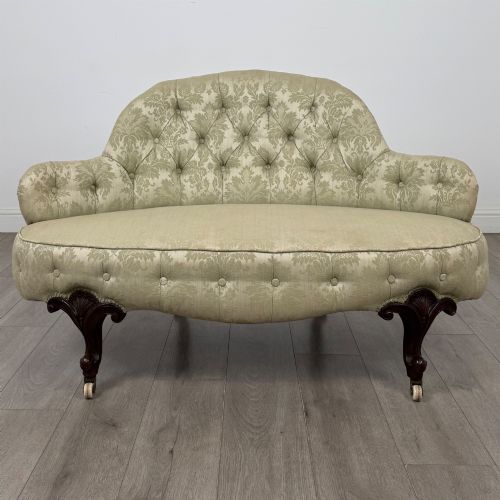
A green mahogany settee is a seating piece built from sturdy wood framing and covered in fabrics such as velvet, damask, leather, or plush green textiles. You encounter these across the nineteenth century, including Victorian, Edwardian, and Regency eras, alongside George II and Chippendale revivals.
Forms span from double spoon-back sofas and scroll-end settees to large country house Chesterfields and petite chair-back seats. The woodwork typically displays the rich reddish-brown tones of timber, contrasted by verdant upholstery ranging from soft velvet to buttoned leather.
Makers such as Howard and Sons contributed to this tradition, producing seating that combines timber frames with sprung upholstery. Whether you choose an 1850 carved frame or an Edwardian two-seater, these pieces anchor a room with traditional proportion and colour.
Assessing craftsmanship and finish
Quality rests in the depth of timber carving and the precision of the joinery shaping the mahogany frame. Crisp details on scroll arms and chair backs distinguish superior workshops from simpler production.
The selection of covering materials, from rich plush velvet to supple leather, dictates the textural richness of the piece. Superior upholstery maintains firm support within the springs and padding, preserving the intended silhouette.
Some settees double as bed ends, proving that Victorians took resting horizontal very seriously indeed.
Howard and Sons
The Green Mahogany Settee Glossary
- Mahogany
- A dense tropical hardwood known for its reddish-brown colour and stability in furniture framing. It takes a fine polish and was heavily utilised throughout Georgian and Victorian periods.
- Spoon-back
- A padded chair or sofa back curved in the shape of a wooden spoon to fit the human spine. This ergonomic shape appeared frequently in Victorian seating.
- Scroll end
- A sofa arm or terminal carved into a tight, upward-curling scroll reminiscent of a classical console. It defines many Regency and nineteenth-century designs.
- Chesterfield
- A large upholstered sofa traditionally featuring deep buttoning and arms matching the height of the back. These heavy pieces are staples of country house interiors.
Green Mahogany Settee: Frequently Asked Questions
How do I date a mahogany settee?
Dating relies on combining the timber characteristics with stylistic cues from the frame, such as Regency scroll arms or Victorian spoon-backs. Construction methods and secondary woods also help place the piece in periods like the Georgian or Edwardian eras.
Changes in upholstery styles over time provide further context, though fabric is frequently renewed. Examining the underneath structure reveals hand-cut framing methods typical of nineteenth-century workshops.
What rooms suit a green mahogany settee?
These settees suit reception halls, libraries, and formal drawing rooms where their rich timber and green textiles complement traditional interiors. A petite Edwardian version fits smaller spaces, while large country house sofas anchor expansive rooms.
Pairing the settee with neutral walls allows the dark wood and verdant upholstery to stand out as a focal point. Their sturdy construction also stands up well to daily use in active living spaces.
How do I care for mahogany and leather?
Mahogany frames benefit from occasional dusting with a soft cloth and sparing application of quality wax to nourish the grain. Avoid placing timber furniture in direct sunlight or near heat sources to prevent warping and fading.
Leather upholstery requires specialised conditioning to keep the hide supple and prevent cracking over the years. Gentle cleaning with appropriate balms maintains the rich green finish without stripping the natural texture.
Are these settees comfortable for daily lounging?
Many nineteenth-century and Edwardian settees offer deep seating and sprung support designed for comfortable relaxation. Country house models in particular were built for generous lounging.
Firmness varies depending on the original interior stuffing and whether the piece has been recently reupholstered. Checking the spring tension gives a clear indication of daily seating comfort.