
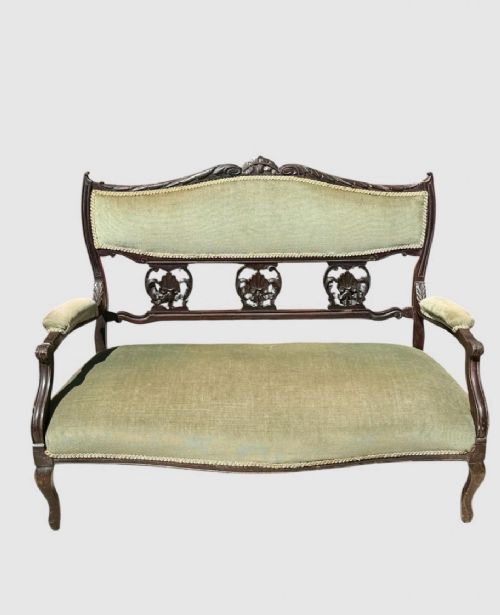
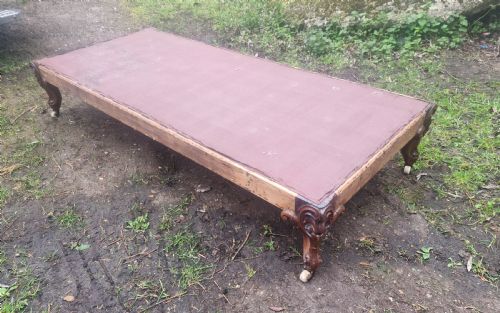


Carved Wood Parlour Bench
These carved wood parlour bench pieces offer generous seating for a reception room, bringing period character and substantial timber frames into a modern interior.
Carved Wood Parlour Bench
When you search for a carved wood parlour bench, you are looking at substantial antique seating that ranges from Victorian mahogany settees to French giltwood and walnut frames. These pieces function as decorative sofas and settees designed for reception rooms, drawing rooms, and formal parlours.
The versions you are most likely to meet on this page span the nineteenth century, including Victorian, Edwardian, and Regency eras. Many examples feature exposed timber structures combined with upholstered seats and backs upholstered in textiles such as damask and fabric.
Makers and manufacturers during these periods produced diverse forms, from French Rococo Revival and Louis XVI style canapes to late Victorian inlaid sofas. Each object type carries the distinct decorative vocabulary of its respective decade, whether through carved mahogany, walnut, or giltwood.
Materials and construction
Makers built these frames using dense hardwoods including mahogany, walnut, and rosewood, alongside gilded wood and painted finishes. These timbers provided the structural rigidity required for heavily carved crest rails, cabriole legs, and scroll arms.
Upholstery forms an integral part of the construction, utilising traditional stuffing techniques covered in textiles such as damask and woven fabric. Frames often feature detailed hand-carving directly into the solid wood before finishing.
Listings feature nineteen-century eras including Victorian, Edwardian, and Regency, utilising mahogany, walnut, giltwood, and damask upholstery.
Assessing quality and craftsmanship
The standard of carving defines the upper tier of these pieces, separating deep, crisp hand-chiselled ornamentation from shallower, mechanical execution. Timber selection also matters significantly, with dense, well-figured mahogany or walnut demonstrating superior cabinetmaking standards.
Structural integrity of the joints and the crispness of applied gilding or polished wood finishes indicate the original maker's skill. Pieces retaining harmonious proportions across complex Revival or Empire styles command greater attention than rigid or heavy-handed interpretations.
The Carved Wood Parlour Bench Glossary
- Canape
- An upholstered French sofa or settee featuring an exposed wooden frame, typically with carved details along the crest rail and legs. This form became popular during various revival periods throughout the nineteenth century.
- Damask
- A reversible figured fabric traditionally woven on a jacquard loom, frequently utilised for upholstery on formal period seating. It provides a subtle pattern through contrasting warp and weft satin weaves.
- Giltwood
- Timber that has been coated with a thin layer of gold leaf or gesso preparation, characteristic of ornate French and English salon seating. This finish reflects candlelight and adds splendour to formal reception rooms.
- Cabriole leg
- A furniture leg that curves out and then in, resembling the leg of an animal, commonly found on Rococo Revival and eighteenth-century inspired frames. The profile flows seamlessly from the seat rail down to a carved foot.
- Settee
- A long wooden or upholstered seat with a back and arms, designed to accommodate multiple people in a parlour or drawing room. It sits midway between a chair and a full-length sofa in terms of scale.
Carved Wood Parlour Bench: Frequently Asked Questions
Where should I place a parlour bench?
These pieces suit formal living rooms, large hallways, or generous bedrooms where they can function as primary seating or decorative focal points. Positioning them away from direct sunlight protects the timber finish and sensitive upholstery fabrics.
Ensure there is adequate clearance around the piece to appreciate the carved woodwork and frame silhouette without obstructing movement through the room.
How do I care for antique wood frames?
Dust the carved wooden elements regularly with a soft, dry cloth to prevent buildup in the intricate recesses of the carving. Avoid chemical polishes that can degrade nineteenth-century varnish or wax finishes over time.
Maintain stable room humidity levels to prevent the timber from drying out, which can cause historical joints to loosen or wood to split.
Can I reupholster a period settee?
Reupholstering is common practice for antique seating, particularly when original fabrics have worn away or suffered damage over the decades. Traditional materials and webbing techniques should be specified to preserve the structural authenticity of the piece.
Selecting period-appropriate textiles such as damask ensures the finished upholstery complements the historical style of the carved wood frame.
How do I identify Victorian pieces?
Victorian frames typically employ dark dense hardwoods like mahogany and walnut, often featuring robust proportions and deep carving inspired by earlier historical styles. Look for hallmarks of mid-nineteenth-century cabinetmaking such as heavy scroll arms and button-tufted upholstery.
Comparing the decorative motifs against documented nineteenth-century design books helps narrow down the specific decade of manufacture.