


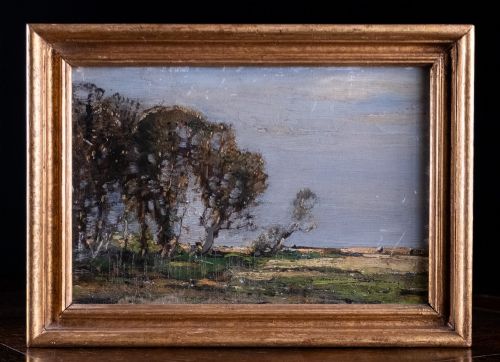
Green Landscape Artwork
Green landscape artwork captures the enduring appeal of pastoral scenery through oil paint and watercolour across the nineteenth and twentieth centuries.
Green Landscape Artwork
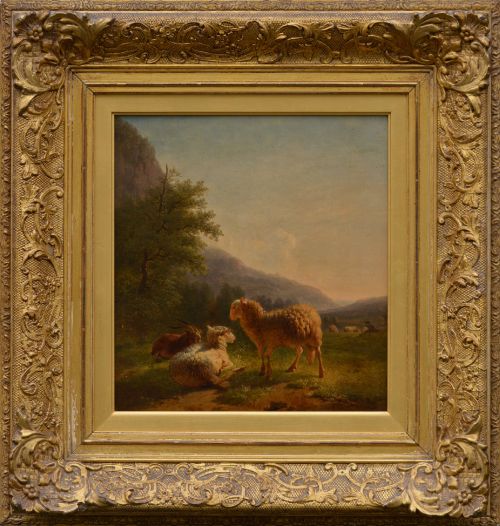
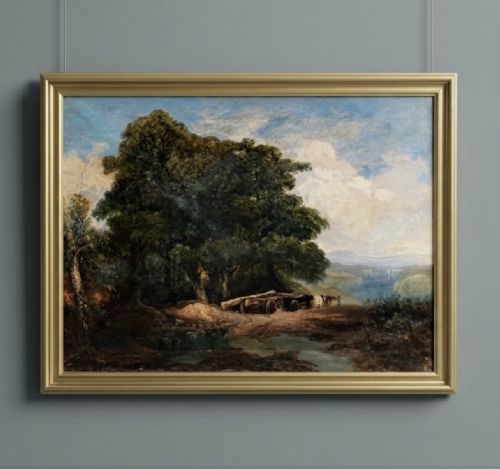
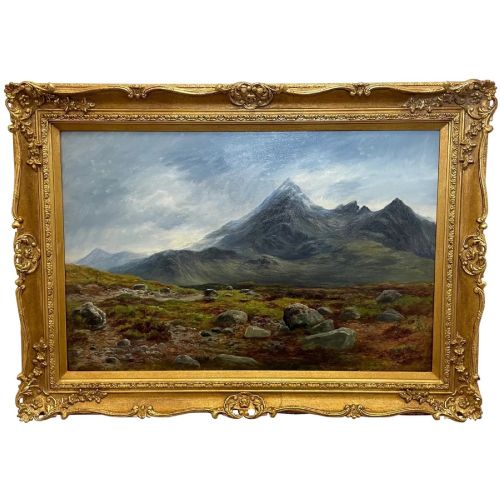
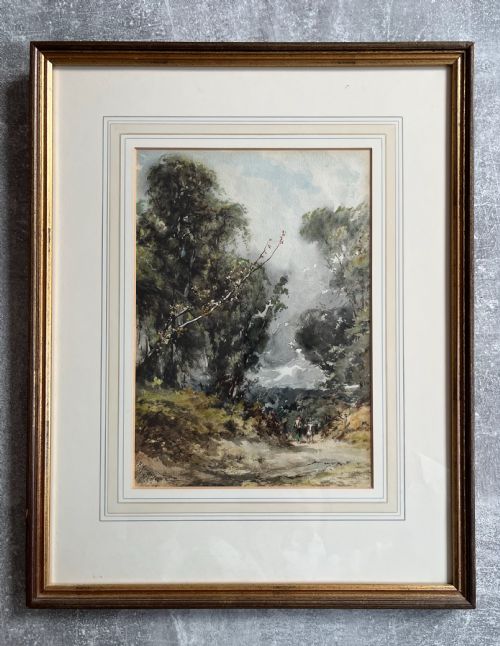
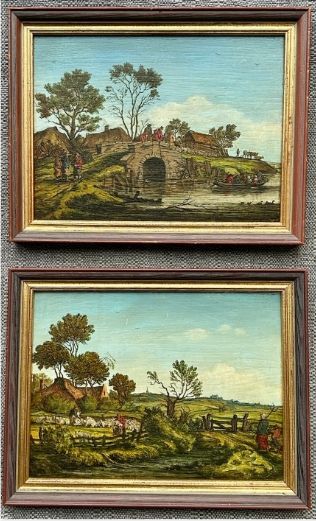
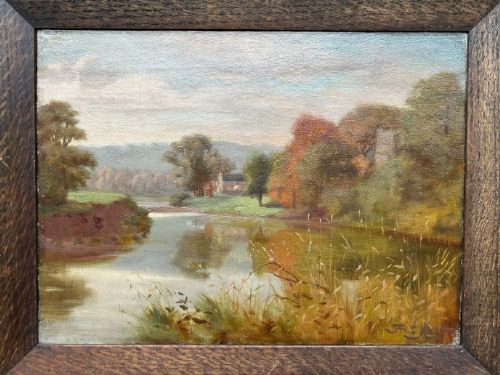
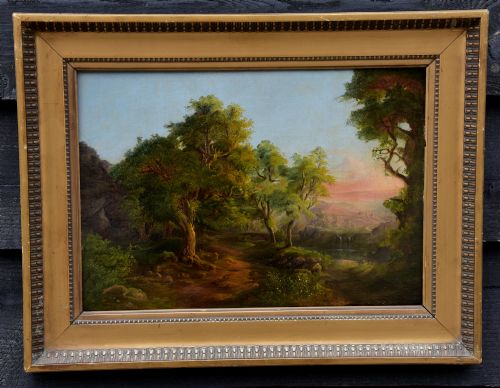
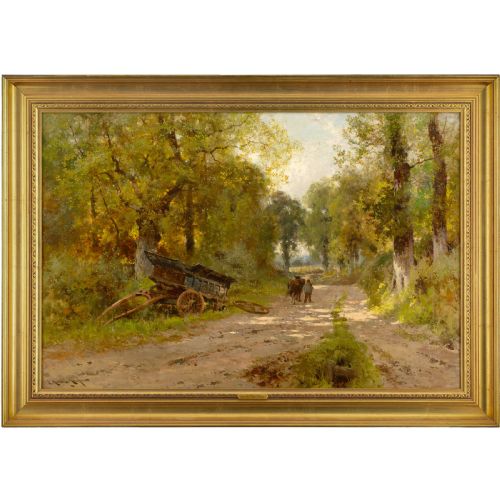
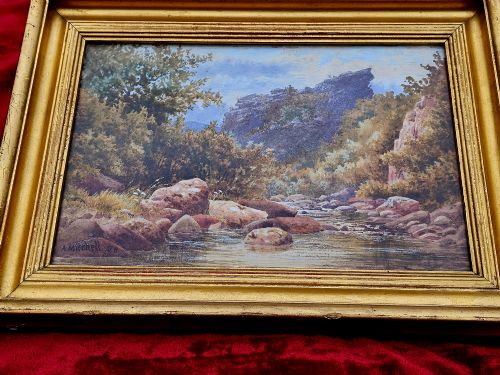
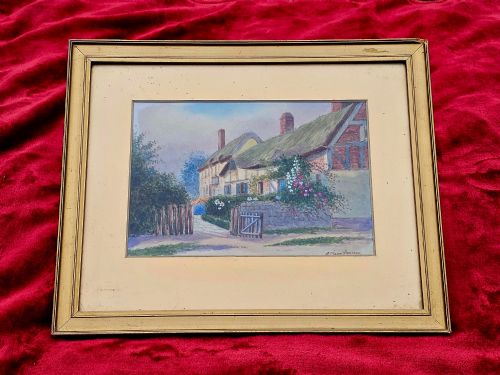
Green landscape artwork encompasses framed paintings and watercolours depicting natural scenery, woodlands, rivers, and rural views. Buyers searching this phrase encounter nineteenth-century romantic works alongside early twentieth-century British impressionist and post-impressionist pieces.
The selection ranges from intimate studies on wood panel and card to large canvases executed in oil. Many pieces record specific regional topographies, from Scottish highlands and Welsh rivers to English valleys and continental vistas.
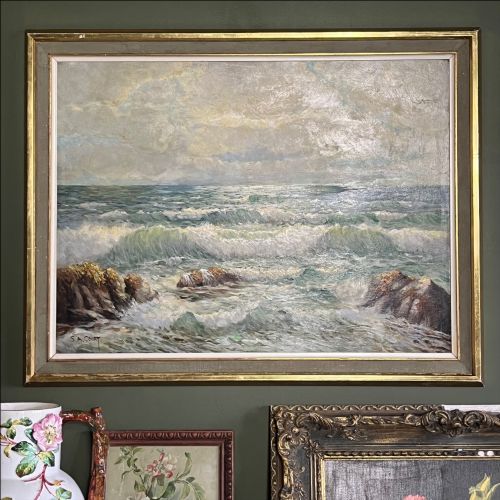
Framed artwork and wall art dominate the selection, often signed by period artists working within regional schools. Victorian and Edwardian examples sit alongside later modernist interpretations dating up to the mid twentieth century.
How They Were Made
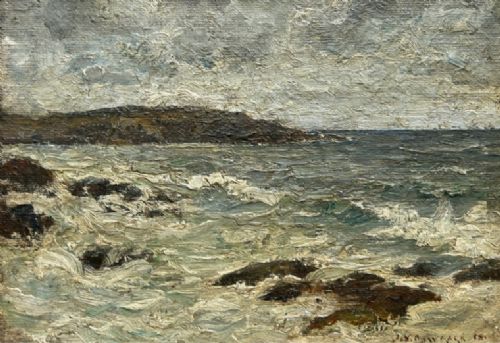
Artists applied oil paint and watercolour to diverse supports including stretched canvas, wooden boards, paper, and card. Many nineteenth-century works utilise traditional oil on canvas techniques, while others employ impasto application to build textured woodland and coastal surfaces.
Watercolour paintings rely on fluid washes on paper to capture atmospheric light in river valleys and garden scenes. Wood panels and card provide rigid supports for en plein air and studio compositions created during the Victorian and Edwardian periods.
Green Landscape Artwork Retail Price Guide 2026
Typical asking prices for green landscape artwork among the pieces listed under this phrase on Sellingantiques today, from the lower quarter to the upper quarter. They describe what is for sale here now, not the wider market.
Several artists preferred documenting stubborn sheep and loyal dogs over grand vistas, ensuring every woodland scene comes with a faithful animal companion.
What Varies in Quality
Quality rests upon the handling of light, brushwork confidence, and compositional balance within the natural scene. Works by established regional artists and Royal Academy exhibitors demonstrate superior draughtsmanship and tonal nuance compared to provincial naive pieces.
The preservation of the original paint surface and supporting medium dictates the integrity of each piece. Superior examples retain vibrant pigments and stable grounds without disruptive craquelure or pigment loss.
Eugène Verboeckhoven·Richard Sebastian Bond·William Beattie-Brown·George Fotherly Hargitt·William H Myers·Tom Campbell·Alfred Young Nutt·Frederick Marriott·John Horace Hooper·Sidney A Court·Kershaw Schofield·George Houston·Herbert Royle·Robert Morson Hughes·Thomas W Lascelles·Robert A Nottingham·William Joseph Boyes·Gabriel Mathieu·David Bates·Benjamin Barker Of Bath·Charles Houben·Antonio DeVity·Raymond Booth·Ernest Arthur Rowe
The Green Landscape Artwork Glossary
- Impasto
- Paint applied thickly to a canvas or board, standing out in relief from the surface. This technique adds tactile depth and texture to foliage, water, and rocky terrain.
- En plein air
- The practice of painting outdoors to capture direct natural light and atmospheric conditions. It defines many nineteenth and twentieth-century landscape studies.
- Watercolour
- A painting method in which the paints are made of pigments suspended in a water-based solution. Artists use translucent washes on paper to achieve luminous effects.
- Post-Impressionism
- An art movement extending roughly from the late nineteenth century that rejected naturalistic depiction in favour of expressive colour and form. It follows the earlier impressionist focus on light.
- Provenance
- The documented history of ownership of a work of art. Established records help verify attribution and exhibition history.
Green Landscape Artwork: Frequently Asked Questions
What periods do these green landscape artworks cover?
The listings span the nineteenth century through to the mid twentieth century, encompassing Victorian, Edwardian, and post-impressionist movements.
Works range from nineteenth-century romanticism to modern British and continental interpretations of rural scenery.
How were these paintings and watercolours created?
Artists utilised oil paint, watercolour, and pastel on supports such as canvas, wood panels, paper, and card.
Techniques vary from smooth academic application to textured impasto brushwork executed both in the studio and outdoors.
Are these artworks signed by the artists?
Many pieces feature artist signatures, monograms, or period attribution linking them to recognised regional painters and Royal Academy exhibitors.
Unsigned examples are typically attributed through stylistic analysis to the English School or provincial traditions.
How do I care for antique oil and watercolour art?
Keep framed pieces away from direct sunlight and fluctuating humidity to protect the canvas, paper, and wooden panels.
Display watercolours behind protective glass and maintain stable indoor conditions to preserve the integrity of the paint layers.