
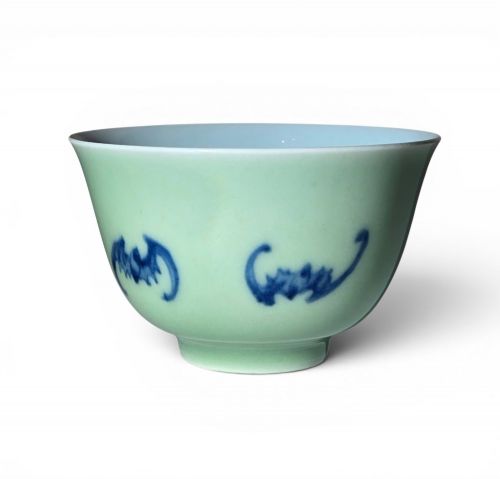


Green Glazed Porcelain Bowl
A green glazed porcelain bowl brings centuries of ceramic artistry into your home, offering tactile pleasure and striking colour.
Green Glazed Porcelain Bowl
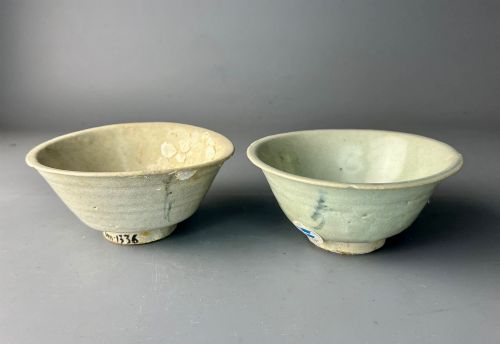
When searching for a green glazed porcelain bowl, buyers encounter pieces spanning multiple eras, from early Song Dynasty examples to twentieth-century European interpretations.
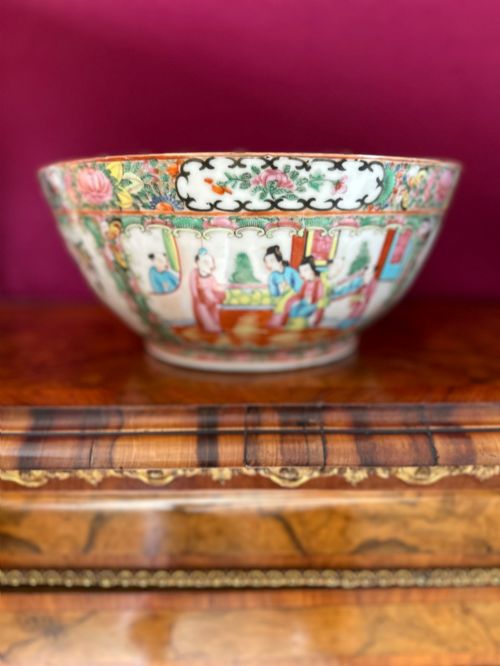
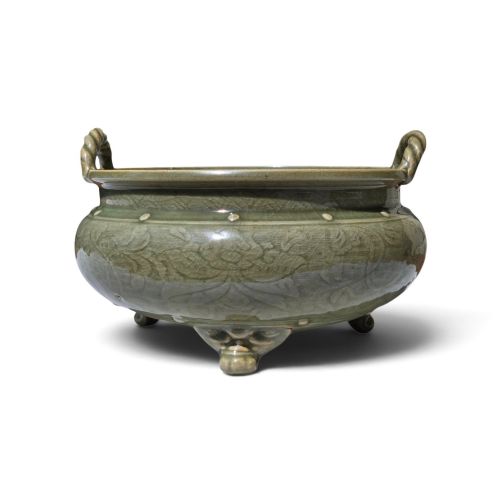
The selections available here range widely in form, including traditional Longquan celadon dishes, intricately decorated Chinese Canton vessels, and striking Art Deco powder boxes.
Origin points diverge significantly, encompassing historic Chinese imperial kilns alongside British factories like Wedgwood and Staffordshire.
Materials and construction
Potters utilised fine porcelain and ceramic bases, often applying specialised celadon or lustre glazes to achieve characteristic green tones.
Advanced firing techniques in historic Asian kilns produced dense stoneware and porcelain bodies with subtle, controlled crackle effects.
Later British and European makers incorporated detailed enamel painting and occasionally gold leaf alongside coloured glazes to enhance surface decoration.
Listings span multiple centuries, uniting Song Dynasty Longquan celadon dishes with twentieth-century Art Deco vanity sets and Victorian majolica.
Assessing quality and execution
Superior examples display exceptional harmony between the glaze depth and the underlying carved or moulded ceramic form.
The precision of hand-painted details, such as underglaze blue motifs or intricate lustre finishes, distinguishes masterworks from standard production pieces.
Condition and age heavily influence desirability, particularly for pieces exhibiting early throwing techniques and well-preserved historic surfaces.
Daisy Makeig Jones Wedgwood·Sumida Gawa Pottery·Minton·Royal Dux
The Green Glazed Porcelain Bowl Glossary
- Longquan ware
- Chinese green-glazed ceramics produced in Zhejiang province during multiple dynasties. These pieces are celebrated for their thick, jade-like glazes.
- Fairyland Lustre
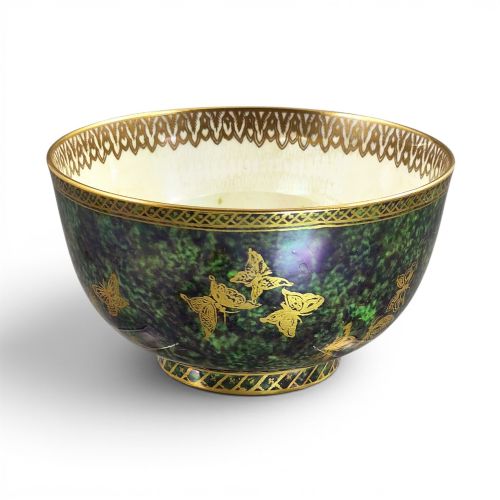
- A distinctive line of decorative ceramics developed by Daisy Makeig-Jones for Wedgwood. It utilises iridescent lustre glazes to depict fantastical scenes.
- Canton bowl
- A type of porcelain vessel decorated in Guangzhou with vibrant enamel palettes depicting figures, birds, and flowers.
- Mark
- An inscription, symbol, or seal stamped, incised, or painted on the base of a ceramic piece. It indicates the maker, period, or intended reigning emperor.
Green Glazed Porcelain Bowl: Frequently Asked Questions
How do I identify a celadon glaze?
A celadon glaze ranges from pale sea-green to deep olive, created by iron oxide fired in a reducing atmosphere. It possesses a characteristic depth that resembles polished jade.
The surface often displays a subtle network of fine crackles beneath the smooth, glass-like finish, distinguishing it from standard modern green paints.
What is the difference between porcelain and earthenware?
Porcelain is fired at extremely high temperatures using fine kaolin clay, resulting in a dense, non-porous material that rings when struck and is frequently translucent.
Earthenware utilises lower-fired clay that remains porous unless fully sealed by an opaque glaze like those seen on historic majolica or cabbage tureens.
How should I display an antique bowl?
Display these pieces on stable, flat surfaces away from direct sunlight to protect delicate enamel overglazes and gold leaf accents from fading over time.
Use padded display stands if tilting the vessel to show base markings, ensuring the rim supports no undue weight.
Can I use these bowls for serving food?
Historic ceramic pieces, particularly those with historic glaze compositions or delicate overglaze enamels, are generally best reserved for display rather than daily culinary use.
Microscopic fissures in older glazes can absorb liquids and harbour bacteria, making decorative placement the safer choice for preservation.
How do I date a Chinese green bowl?
Dating relies on examining the weight of the clay body, the tone of the celadon glaze, and the style of any carved floral or fish motifs present.
Imperial marks on the base provide directional clues, though these must be cross-referenced with the potting style and firing characteristics of the specific era.