


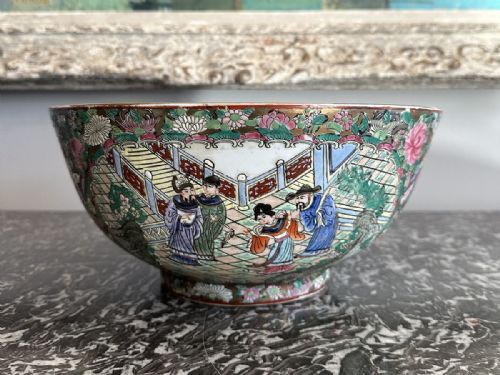


Pink Enamel Centrepiece
A pink enamel centrepiece brings vibrant colour and meticulous detail to a table, offering a striking focal point rooted in historical craft.
Pink Enamel Centrepiece
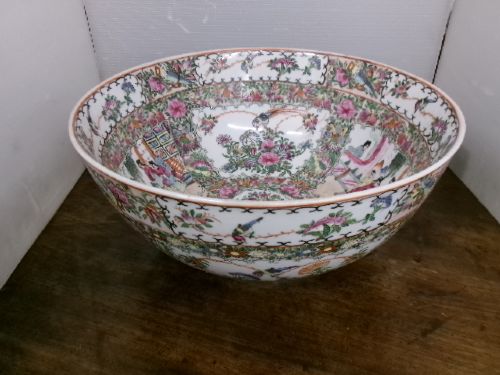
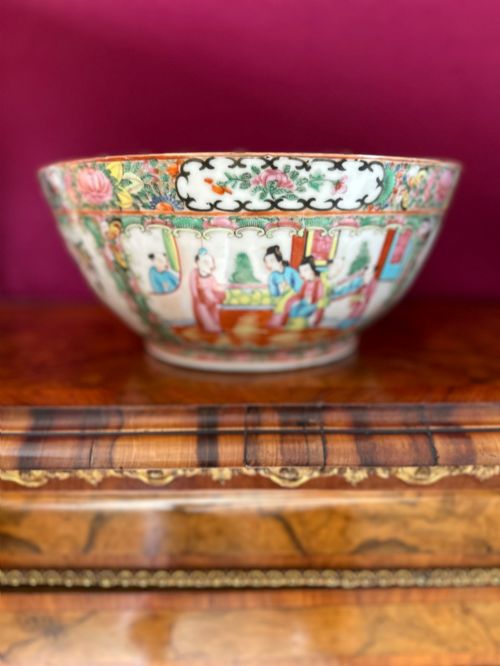
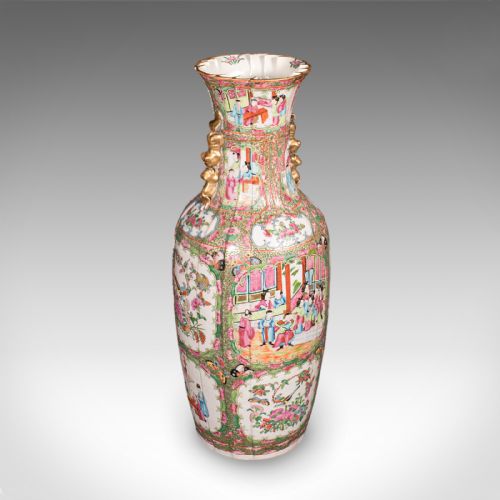
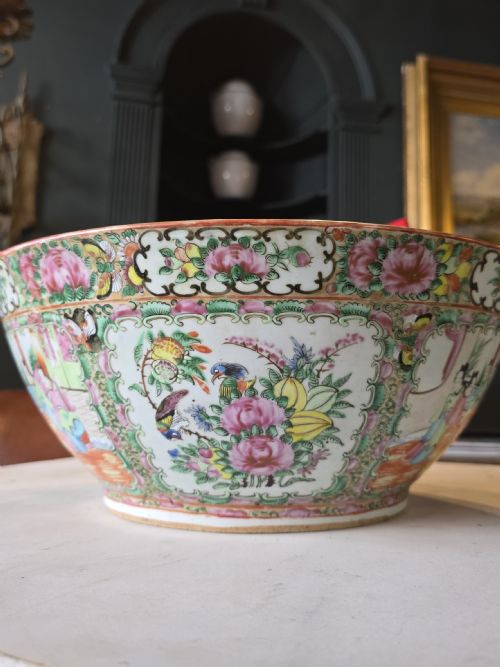
When you search for a pink enamel centrepiece, you encounter large decorative vessels and table centrepieces originating mainly from nineteenth-century China and Victorian Europe. These bowls and vases display intricate hand-painted designs that command attention in any room.
The pieces on this page are predominantly Chinese Canton and Cantonese Famille Rose bowls, alongside Victorian cranberry glass epergnes. They range from punch bowls to tall ceramic vases designed to hold floral arrangements or stand alone as display items.
You are most likely to meet nineteenth-century Chinese export porcelain featuring overglaze enamel and gilt highlights. These items reflect traditional craftsmanship adapted for international tastes during the Victorian era.
How they were made
Potters shaped these vessels from high-fired porcelain and moulded glass, applying pigments by hand before a second firing fixed the colours. Artisans added rich layers of overglaze enamel, gold leaf, and gilding to create metallic brilliance across the surface.
Techniques combined throwing and hand-painting, where craftspeople used fine brushes to render complex floral and figural motifs. Cranberry glass was achieved by adding gold chloride to the molten glass batch to produce its distinctive pink hue.
Listings feature porcelain and cranberry glass objects spanning the nineteenth century, including Victorian and Qing dynasty examples.
What varies in quality
Quality rests in the precision of the hand-painting and the preservation of the overglaze enamel and gold leaf. Finer pieces display crisp brushwork, balanced compositions, and minimal wear to the gilding across the bowl or vase.
The weight of the porcelain and the complexity of the motifs distinguish superior items from standard productions. Greater depth in the enamel colours and secure application of gold leaf indicate higher workshop standards.
Samson Of Paris
The Pink Enamel Centrepiece Glossary
- Famille rose
- A major palette of Chinese ceramic glazes introduced in the Qing dynasty, distinguished by opaque pink enamel derived from colloidal gold. This palette allowed painters to achieve subtle tonal gradations in floral and figural scenes.
- Overglaze enamel
- Pigments applied to a previously fired and glazed ceramic surface, which are then fixed in a lower-temperature muffle kiln. This technique permits a wide range of bright colours including pinks, greens, and yellows.
- Cranberry glass
- A type of glass coloured by the addition of gold, producing shades from pale pink to deep ruby red. It was particularly popular in Victorian tablewares and decorative epergnes.
- Gilding
- The application of gold leaf or gold powder to the surface of porcelain, glass, or metal objects. It accents rims, handles, and painted details to enhance the decorative impact.
- Epergne
- A large table centrepiece featuring a central dish with multiple branching arms holding smaller baskets or vases. Victorian examples frequently utilised coloured glass.
Pink Enamel Centrepiece: Frequently Asked Questions
What is a pink enamel centrepiece?
A pink enamel centrepiece is a decorative bowl, vase, or epergne featuring prominent pink enamel decoration designed to anchor a table setting or room display.
These objects primarily date from the nineteenth century and encompass Chinese export porcelain alongside Victorian glassware.
How were these centrepieces used?
Historically, large bowls served punch or functioned as grand table ornaments during formal meals and gatherings.
Vases and epergnes held fresh flowers or fruit, acting as conversation pieces in dining rooms and parlours.
How do I live with a porcelain bowl?
Place the bowl on a stable sideboard or dining table away from heavy foot traffic to protect its painted surface.
Clean the piece gently using a soft, dry cloth and avoid harsh detergents that might harm the enamel or gold leaf.
How can I tell periods apart?
Nineteenth-century Chinese export pieces display distinct Famille Rose palettes and hand-painted motifs characteristic of Qing dynasty workshops.
Victorian glass epergnes utilise coloured glass techniques and branching forms typical of late nineteenth-century British tablewares.