

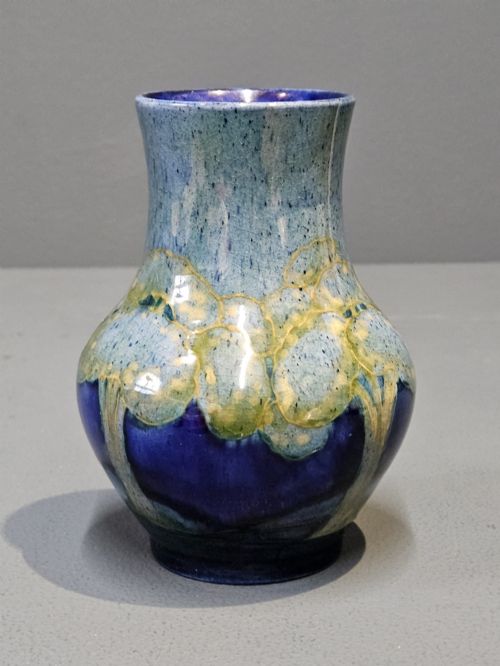

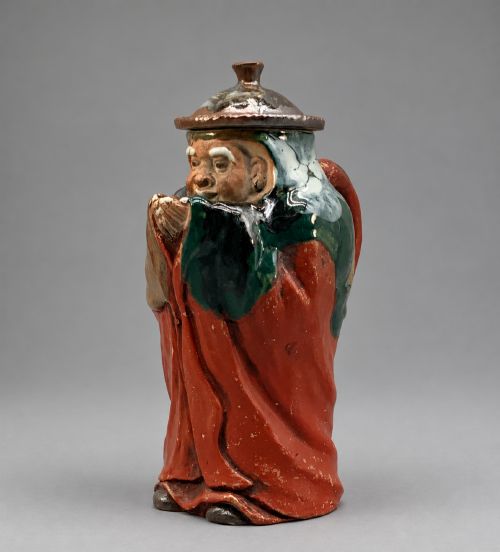
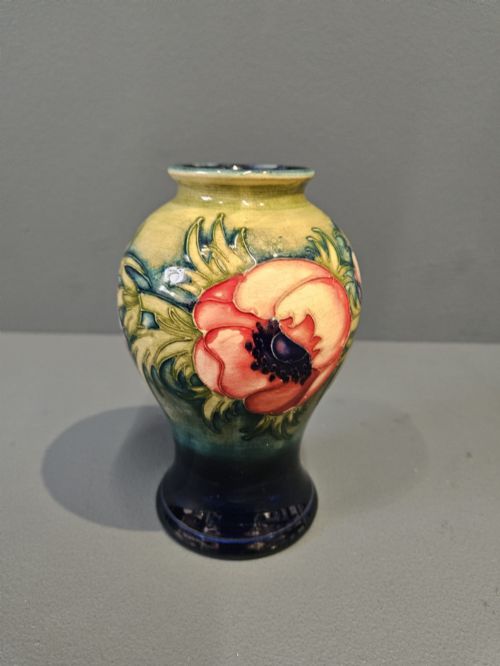
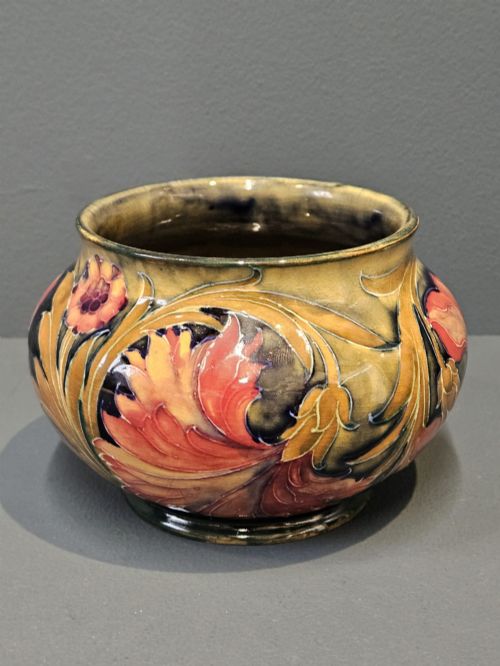

Green Glazed Ceramic Vessel
When you search for a green glazed ceramic vessel, you are looking at centuries of thrown clay given life through copper and iron oxides.
Green Glazed Ceramic Vessel
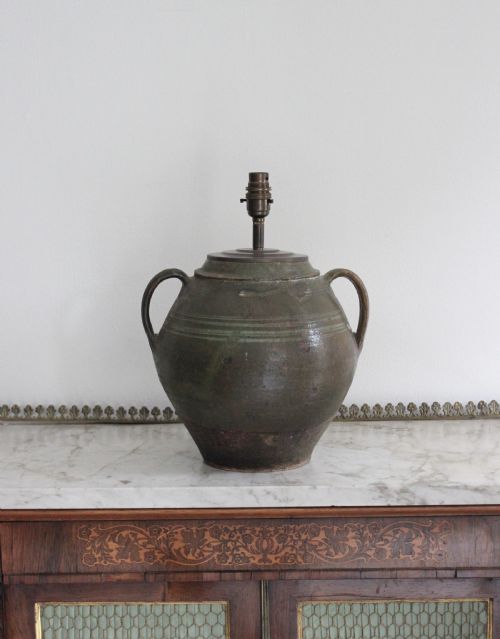
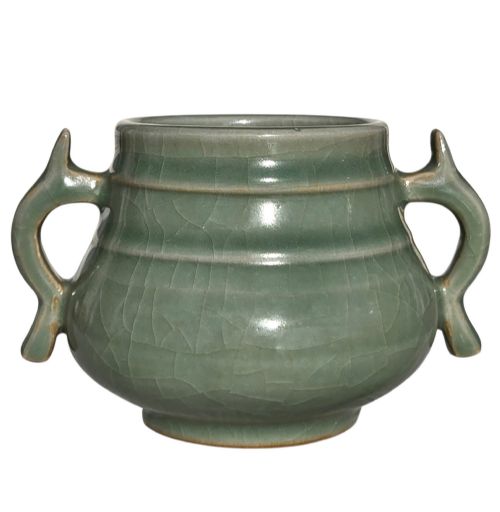
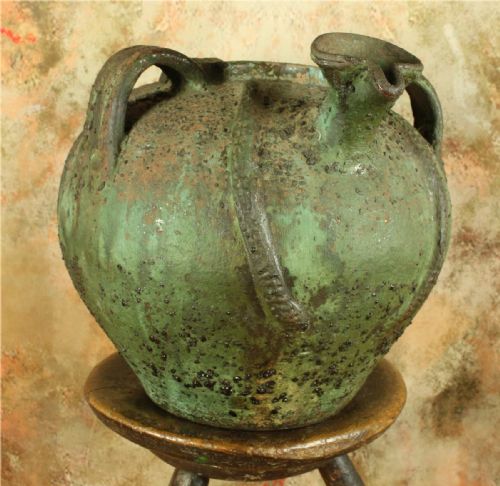
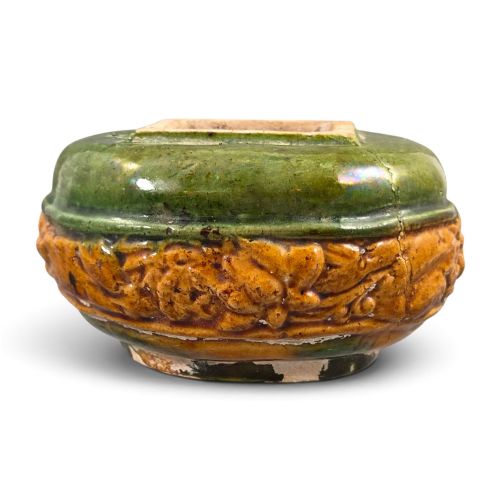
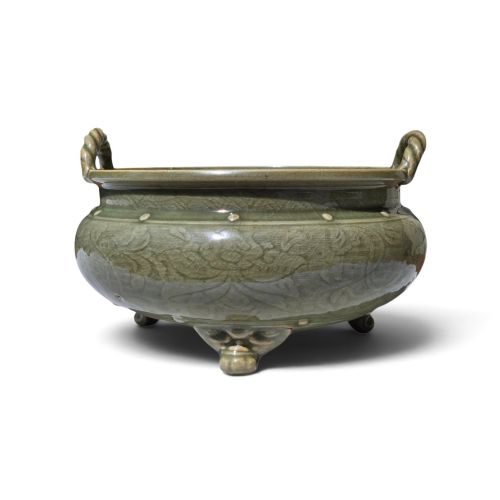
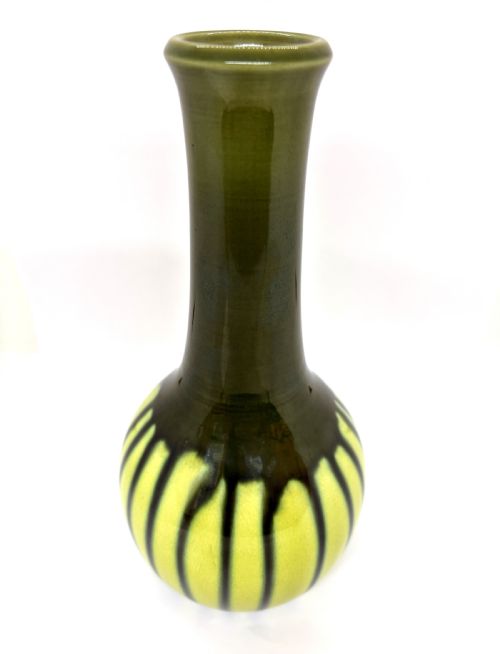
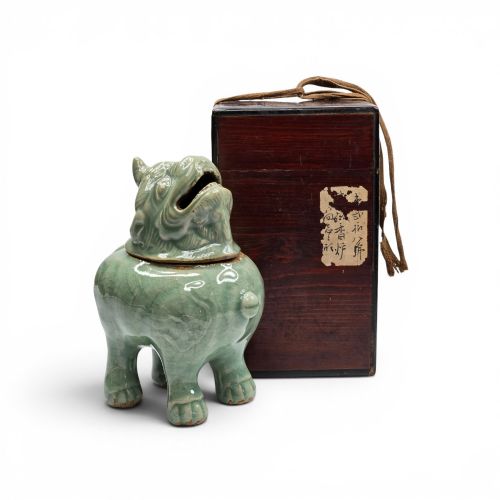
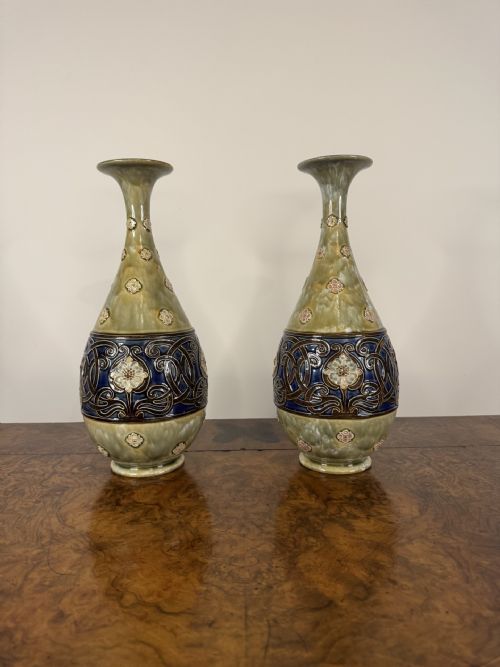
A green glazed ceramic vessel covers a broad spectrum of domestic and decorative items, stretching from utilitarian French olive jars and chamber pots to imperial Chinese celadon censers and studio pottery jugs. You will frequently encounter Victorian and Edwardian stonewares and earthenware pieces alongside older Asian and European forms.
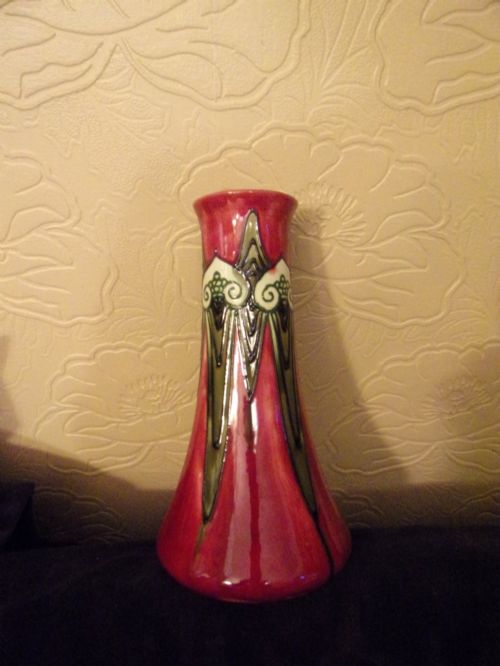
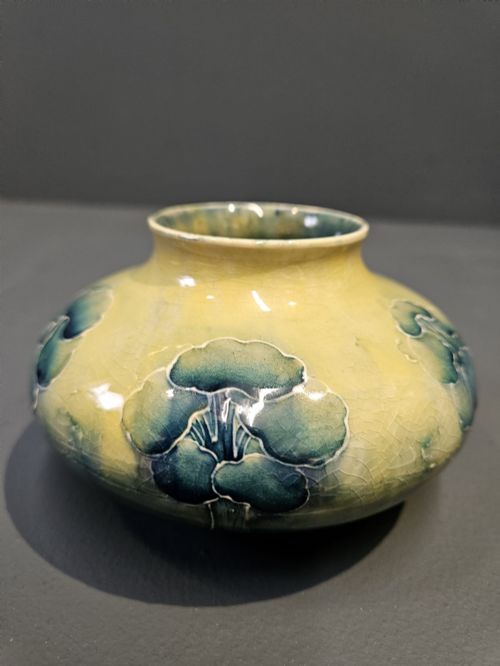
The objects take many shapes, including vases, bowls, ewers, and water pots, each bearing the characteristic green coloration imparted by specialised metal oxide glazes. These items range from humble utilitarian storage containers to highly ornamental mantelpieces designed during the Arts and Crafts and Art Nouveau movements.
Origins span diverse periods and regions, from pre-sixteenth century Song and Ming dynasty wares to nineteenth century French terracotta and English studio pottery. This variety means a green glazed ceramic vessel can serve as either a rustic kitchen storage jar or a refined cabinet display piece.
How these pieces were shaped and glazed
Potters utilised earthenware, stoneware, porcelain, and terracotta bodies, shaping them either by hand on a wheel or within moulds before applying liquid mineral coatings. The green surfaces rely heavily on lead, celadon, and tin glazes, which fuse during high-temperature kiln firings.
Techniques varied from simple slip-trailing and tube-lining to intricate carved celadon and lustrous majolica enamel applications. Master ceramists controlled kiln atmospheres precisely to coax specific shades from iron and copper elements within the liquid glaze.
Green Glazed Ceramic Vessel Retail Price Guide 2026
Typical asking prices for green glazed ceramic vessel among the pieces listed under this phrase on Sellingantiques today, from the lower quarter to the upper quarter. They describe what is for sale here now, not the wider market.
Several vessels come equipped with built-in handles designed for pouring olive oil, holding scholars' brushes, or burning incense.
The markers of distinction
Quality rests in the harmony between the vessel's thrown form and the depth of its vitreous skin. Superior examples display an even, controlled flow of green glaze that pools naturally in recesses without obscuring underlying incised or moulded details.
The reputation of the pottery or the individual artist elevates certain items above standard domesticware. Pieces carrying documented attribution to notable makers or specific design houses demonstrate superior technical execution and artistic ambition.
Royal Doulton Lambeth·Moorcroft·Wedgwood·Makuzu Kozan·Sir Edmund Elton
The Green Glazed Ceramic Vessel Glossary
- Celadon
- A pale green jade-like glaze originating in East Asia, achieved by firing iron oxide in a reducing kiln atmosphere. This finish is prized for its subtle translucency and tactile depth.
- Majolica
- A type of earthenware coated with an opaque tin-lead glaze and decorated with metallic oxide colours. It produces vibrant, glossy surfaces popular during the nineteenth century.
- Stoneware
- A robust, vitrified ceramic fired at high temperatures until non-porous. It accepts salt and mineral glazes readily, creating durable utilitarian vessels.
- Terracotta
- Unglazed or clear-glazed porous red earthenware fired at relatively low temperatures. Many French and Mediterranean storage jars utilise this sturdy body.
- Tube-lined
- A decorative technique where thin lines of clay slip are squeezed onto a ceramic surface from a bulb to form raised outlines for colourful glazes.
Green Glazed Ceramic Vessel: Frequently Asked Questions
Can I use these vessels for fresh flowers?
Stoneware and porcelain pieces with intact interior glazes usually hold water safely for display arrangements. However, older earthenware and terracotta jars may seep moisture due to hairline fissures in the body.
Place a small waterproof liner or glass tube inside porous vessels if you intend to use them for live botanical displays. This protects both the antique ceramic and your furniture from moisture damage.
How do I distinguish Song dynasty celadon from later copies?
Early pieces from the Song and Ming dynasties display characteristic weight, deliberate potting thickness, and specific crackle patterns within the jade-like glaze. The tactile quality of the body clay and the foot ring construction reveal much about the true age of the piece.
Examining the firing spurs and base unglazed areas provides further clues to origin. Comparing the piece against documented museum examples helps confirm authenticity.
What is the difference between earthenware and stoneware?
Earthenware is fired at lower temperatures, leaving the ceramic body porous and relatively soft unless heavily glazed. It forms the base for many traditional majolica and terracotta utilitarian objects.
Stoneware reaches higher kiln temperatures, causing the clay body to vitrify and become completely impermeable to liquids. This results in a much stronger vessel suited for rigorous daily storage.