
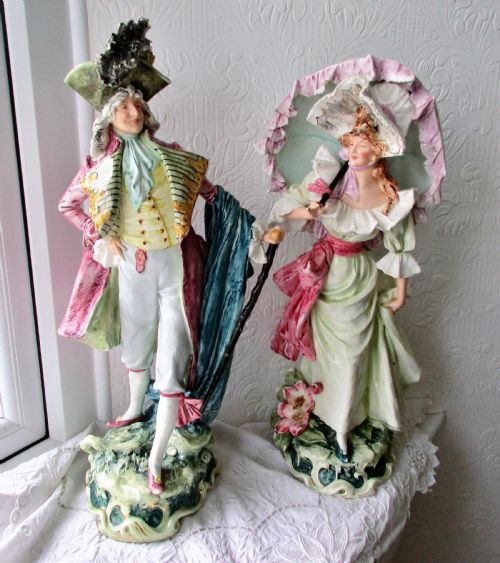
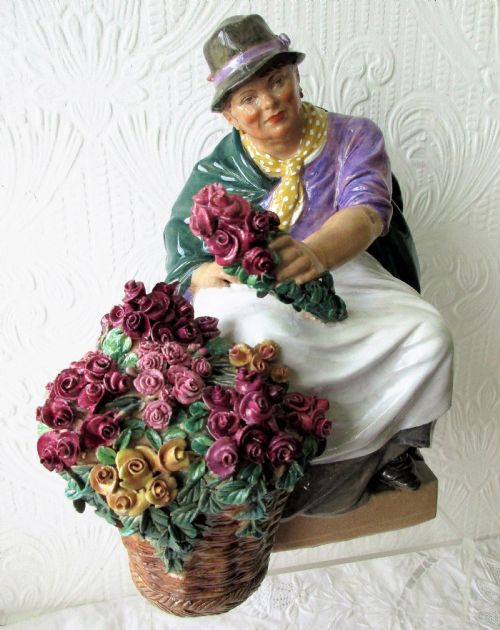
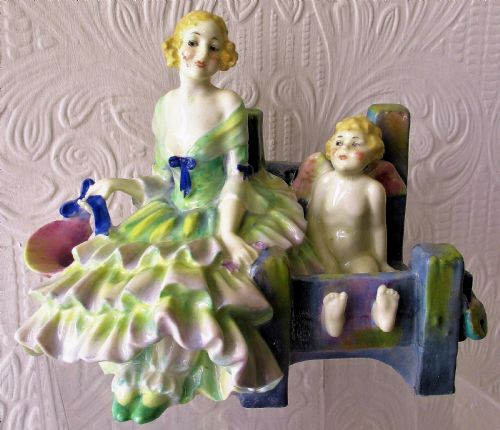


Green Glaze Ceramic Figure
A green glaze ceramic figure brings rich surface colour and character to a room, ranging from Staffordshire animals to Chinese glazed pottery.
Green Glaze Ceramic Figure
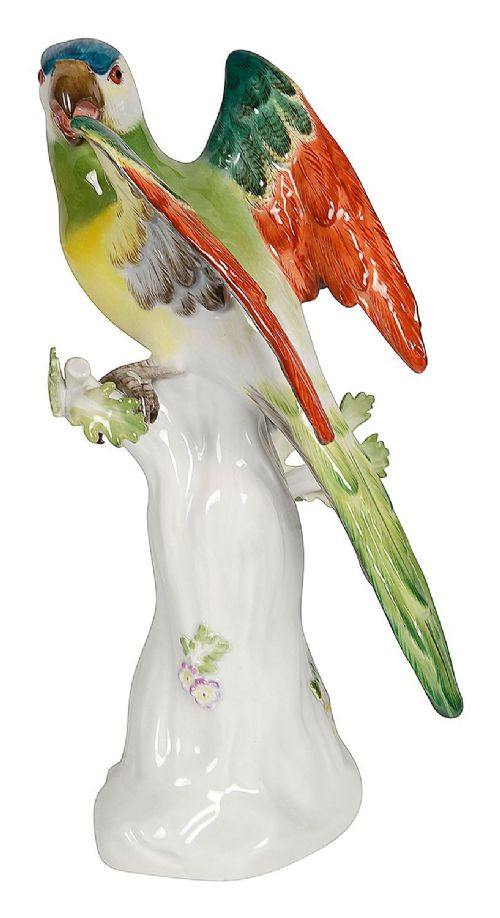
When you search for a green glaze ceramic figure, you encounter an array of decorative objects, figurines, and sculptures spanning multiple centuries and origins. The selection encompasses English earthenware, European porcelain, and Asian pottery created for display.
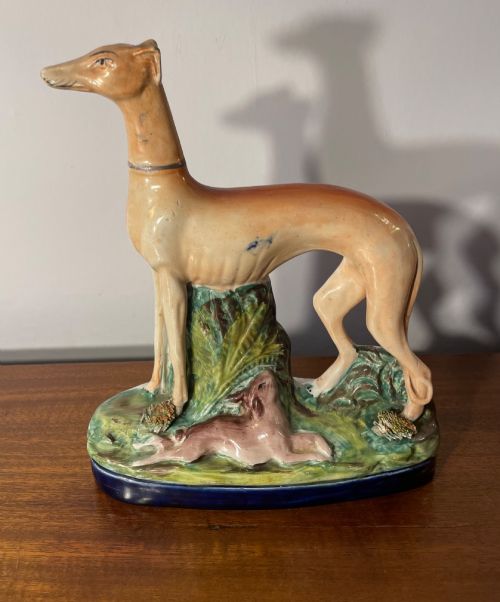
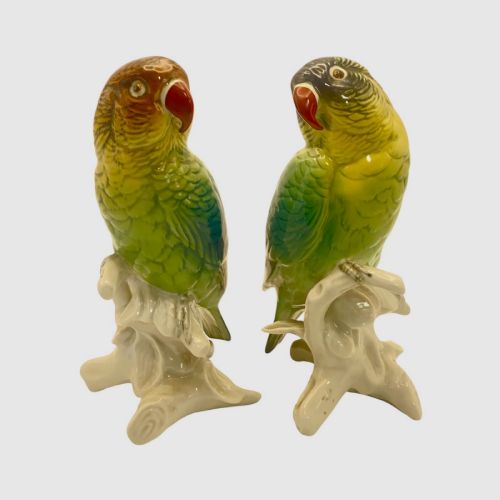
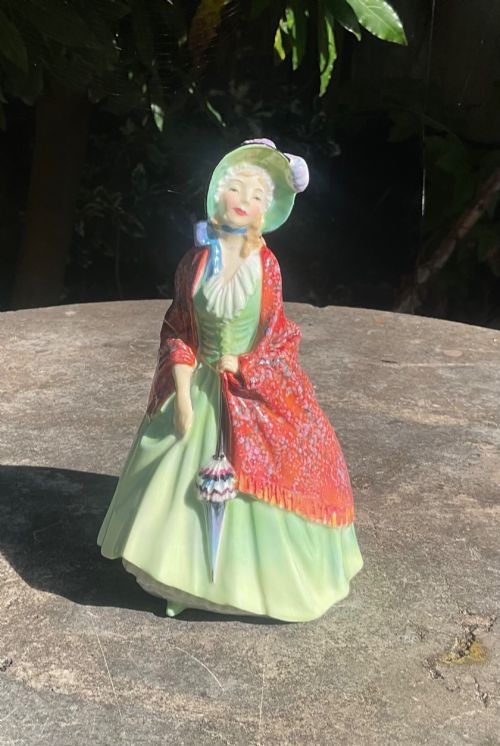
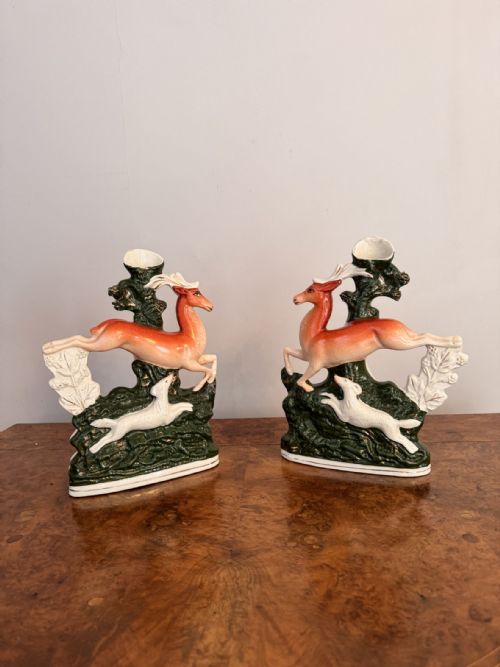
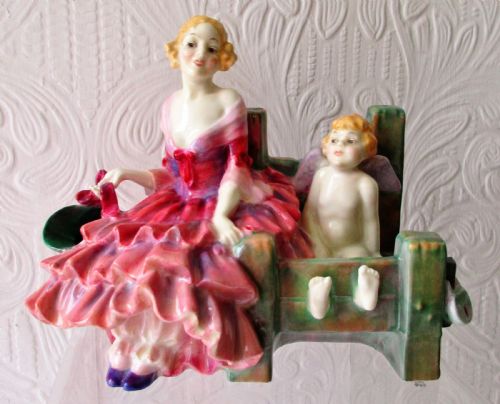
The most common examples you meet on this page are 19th-century Staffordshire pottery figures, Art Deco ceramics from the 1930s, and Chinese glazed pottery pieces. These objects take the form of animals, human characters, and architectural ornaments.
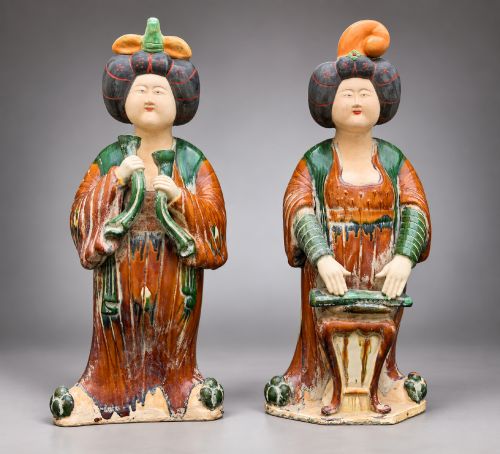
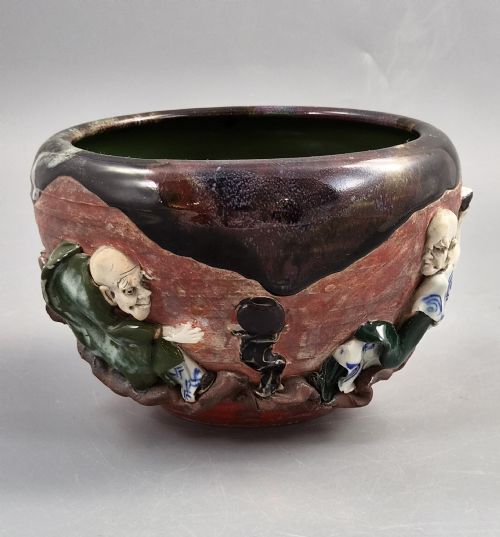
Makers from various traditions utilised distinct green tones, from deep lead glazes on earthenware to subtle celadon and vibrant sancai palettes on porcelain and pottery.
How they were made
Potters shaped these figures using earthenware, terracotta, pearlware, and porcelain, frequently applying lead glazes or tin enamels to achieve rich surface sheens. Sancai glazes and celadon finishes required precise kiln temperatures to bond the metallic oxides with the ceramic body.
Materials represented across the selection include porcelain, earthenware, pearlware, terracotta, and traditional lead glazes.
What varies in quality
The distinction between ordinary production and superior craftsmanship lies in the depth of the glaze, the crispness of the moulding, and the subtlety of the hand-painting. Stronger pieces display an even distribution of the green glaze without pooling obscurely over fine details.
Artistry in modeling dictates whether an animal or human figure possesses naturalistic movement or stiff proportions, separating standard decorative items from works of notable artistic merit.
Karl Ens·Royal Doulton·Charles Vyse·Royal Dux·Minton
The Green Glaze Ceramic Figure Glossary
- Sancai
- A three-colour glaze tradition often seen in Chinese pottery, typically combining green, amber, and cream tones.
- Pearlware
- A refined earthenware developed in the late 18th century featuring a pale bluish glaze that pooled slightly greener in recesses.
- Celadon
- A pale green jade-like glaze originating in East Asia, prized for its subtle translucent finish.
- Spill vase
- A hollow cylindrical holder attached to a figure, designed to hold wooden matches for lighting candles or fires.
- Faience
- Tin-glazed earthenware produced in various European traditions, offering an opaque white or coloured surface for painted decoration.
Green Glaze Ceramic Figure: Frequently Asked Questions
How do I identify a Staffordshire green glaze figure?
Staffordshire figures often present naive modeling with hand-painted details beneath a glossy lead glaze, typically dating from the 19th century.
Look for characteristics like flat backs on earlier fireplace ornaments and traditional subjects such as animals, cottages, and literary characters.
How should I display ceramic figures at home?
Display these pieces away from direct sunlight and areas of high humidity to protect the glaze and any subtle overglaze enamel painting.
Stable shelving with adequate lighting helps highlight the reflective qualities of lead and celadon glazes without risking accidental knocks.
How can I tell the period of a green glazed animal?
Dating relies on examining the clay body, the manner of the glaze crazing, and stylistic conventions associated with specific manufacturing eras.
For instance, 18th-century pearlware animals differ noticeably in palette and weight from 1930s Art Deco ceramics or 19th-century Staffordshire dogs.