




Green Glass Wine Drinking Glasses
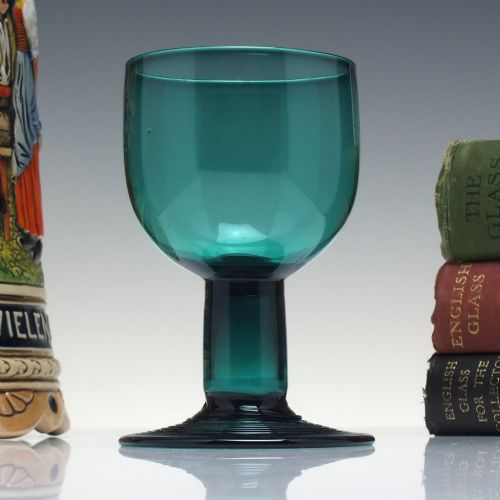
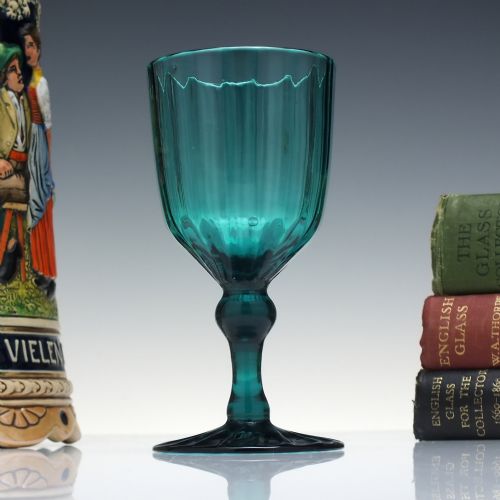
These green glass wine drinking glasses bring rich colour and historic character to the table.
Green Glass Wine Drinking Glasses
Green glass wine drinking glasses span several centuries of table glassware, encompassing everything from eighteenth-century English export vessels to late Victorian sets. When searching for green glass wine drinking glasses, buyers encounter forms ranging from small dram glasses and rummers to tall goblets and roemers.
The pieces listed on this page originate predominantly from the Georgian and Victorian eras, alongside Edwardian examples. Forms such as rib-moulded bowls and tulip shapes appear frequently across these periods.
Materials and manufacture
Makers utilised free-blown and lead glass techniques, often employing rib moulding to create tactile texture in the bowl. Coloured metal produces the distinctive green, turquoise, and pale hues seen in the glass.
Certain vessels incorporate hollow stems or specialised forms like the traditional roemer, requiring skilled manipulation of hot metal. Surface enrichment includes polychrome enamel decoration and precision cutting.
Uranium glass and vaseline glass add a reactive optical quality under specific lighting, showing how glassmakers experimented with chemical compositions during the nineteenth century.
Some nineteenth-century vaseline wine glasses glow bright green under ultraviolet light due to the uranium content in the melt.
Judging quality in historic glassware
Quality rests in the proportional balance of the bowl, stem, and foot, alongside the depth and clarity of the green colour. Thin, even walls on blown pieces demonstrate superior control compared to heavy, irregular vessels.
Decoration elevates certain examples, particularly where polychrome enamelling or hand-cutting remains crisp and well-aligned with the form. The presence of pontil marks and minor bubbles reflects period hand-working methods rather than defects.
Lobmeyer·Frits Hechert
The Green Glass Wine Drinking Glasses Glossary
- Roemer
- A traditional Germanic wine glass form featuring a wide bowl and a large, hollow stem wrapped with prunts. This shape developed in the sixteenth century and remained popular across European glasshouses into the twentieth century.
- Pontil mark
- The rough scar left on the base of a vessel where the punty rod was attached during manufacture. Its presence indicates hand-blown methods.
- Rib moulded
- Glass blown into a small pattern-mould to impart vertical or spiral ridges onto the body before final expansion. This technique adds strength and visual texture to the piece.
- Vaseline glass
- Pressed or blown glass containing uranium dioxide, producing a characteristic yellow-green colour and a strong green fluorescence under ultraviolet light. It gained popularity during the Victorian period.
- Prunt
- An applied blob of molten glass, often drawn out or impressed, placed on the stem of a roemer to provide a secure grip for the hand.
Green Glass Wine Drinking Glasses: Frequently Asked Questions
Are these glasses safe for drinking?
Most historic glass is chemically stable and suitable for serving wine or water during occasional dining.
Uranium glass pieces contain trace radioactive materials, though they generally emit very low radiation levels that collectors consider safe for display and occasional use.
How can I tell Georgian from Victorian glass?
Georgian pieces often display lighter metal, simpler hand-blown forms, and distinct pontil marks on the foot. The proportions tend to feel lighter and more restrained.
Victorian examples frequently introduce heavier lead glass, moulded details, vaseline colours, and more elaborate cutting or enamelling techniques.
What is a rummer?
A rummer is a large, sturdy drinking glass with a short stem and a capacious bowl, commonly used for wine, ale, or punch during the eighteenth and nineteenth centuries.
Their robust construction made them practical for daily use on tavern and domestic tables alike.