


Green Glass Bottle
A green glass bottle brings rich, vibrant colour and tactile weight to a room, whether encountered as a delicate Victorian scent vessel or a sturdy Georgian wine container.
Green Glass Bottle
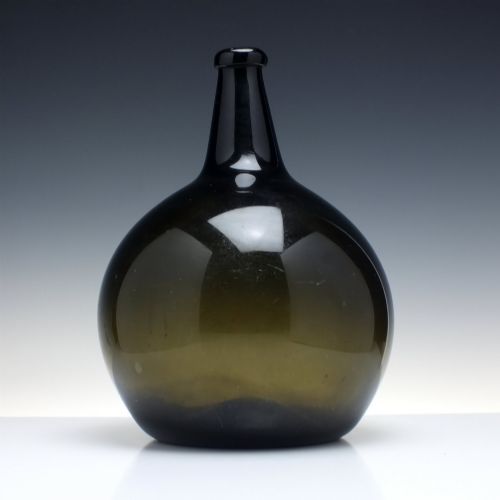
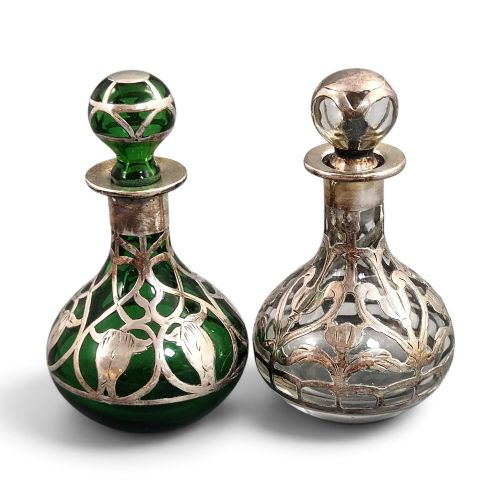
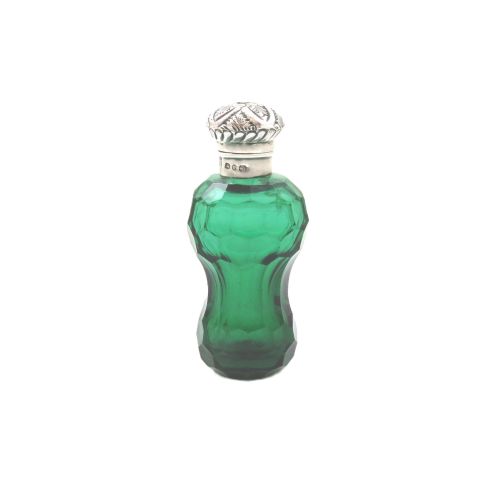
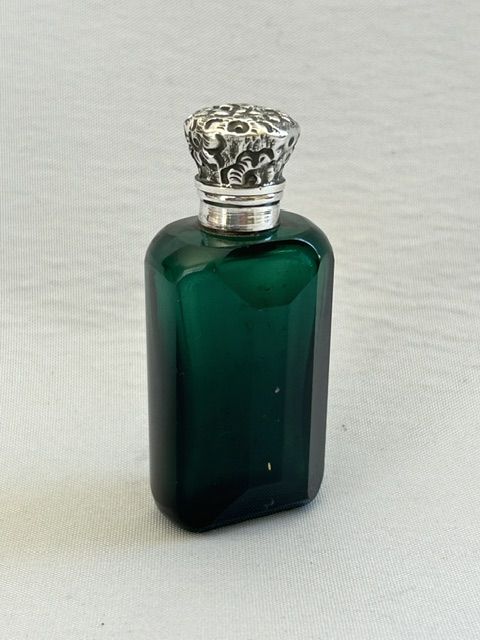
When searching for a green glass bottle, collectors encounter a diverse array of utilitarian and decorative forms spanning multiple centuries. The selection ranges from robust Georgian wine and champagne bottles and large French demijohns to intricate Victorian and Edwardian scent bottles mounted in sterling silver.
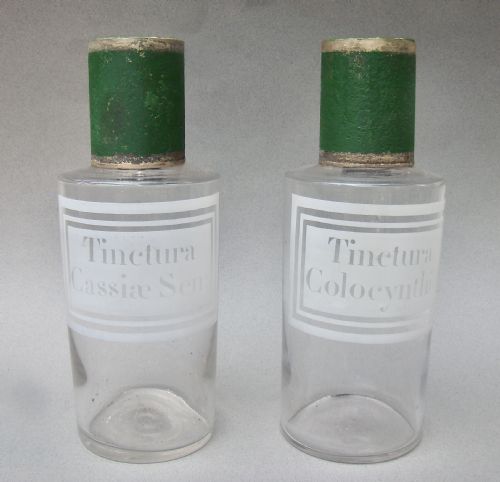
The pieces on this page heavily feature Victorian and Art Deco examples, alongside earlier Georgian wine containers and mid-20th-century items. Functional vessels such as apothecary jars, spirit decanters, and perfume atomisers sit alongside purely decorative items like glass dumps and ewers.
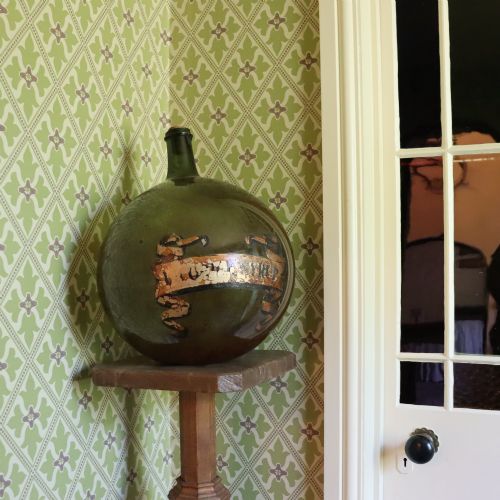
Origins vary widely across British, French, and Bohemian makers, encompassing deep Bristol green hues, lime green tones, and iridescent finishes. Buyers find both small tabletop vanity items and large floor-standing carboys in iron baskets.
How they were made
Makers utilised free-blowing, mould-blowing, and cut-glass techniques to shape the molten material, often incorporating ribbed or wrythen patterns into the body. Many vessels received applied ornamentation such as silver overlays, gilt decoration, enamel work, and gold leaf.
Mounts and hardware were fashioned from sterling silver, silver gilt, and bronze, secured tightly around the necks and stoppers of perfume bottles and decanters. Overlay techniques involved casing a green glass core with a contrasting layer of glass, which was then cut away to reveal the colour beneath.
Some Victorian glass dumps capture Scottish thistles and English roses forever frozen inside heavy green spheres.
What varies in quality
Quality rests significantly on the depth and clarity of the glass colour, the precision of the hand-cutting or moulding, and the intactness of any applied metalwork or enamel. Pieces featuring fully hallmarked sterling silver mounts or intricate overlay work demonstrate superior craftsmanship.
The sophistication of the design and the prestige of the workshop, such as Moser or René Lalique, elevate the status of individual items. Exceptional preservation of delicate elements like glass stoppers, silver gilding, and guilloche enamel distinguishes the finest examples from standard utilitarian wares.
Gorham·Henry Perkins·Karl Palda·Hermanova·Henry Matthews·Richard Comyns·The Mousley Brothers·J Grinsell & Sons·Charles May·Saunders & Shepherd·René Lalique·Mappin & Webb
The Green Glass Bottle Glossary
- Bristol green
- A deep, vibrant shade of green glass traditionally associated with the English city's glasshouses during the 18th and 19th centuries. This rich hue became a defining characteristic for many classic scent bottles and decanters.
- Carboy
- A large, bulbous glass container typically protected by a wicker basket or iron frame and used for holding liquids. They frequently appear in large formats originating from 19th and early 20th-century France.
- Overlay
- A technique where a layer of coloured glass is fused over a clear or contrasting body and partially cut away to create a patterned design. It is commonly found on 19th-century Bohemian and Victorian luxury scent bottles.
- Sulphide
- A small white cameo made of ceramic paste embedded within the clear or coloured glass of a paperweight or dump. They often depict floral motifs or historical figures.
- Wrythen
- A decorative swirling pattern formed in glassware by twisting the molten metal while blowing it into a ribbed mould. It creates a dynamic, spiral optical effect across the surface of the bottle.
Green Glass Bottle: Frequently Asked Questions
How do I date an old green bottle?
Dating relies heavily on manufacturing marks, pontil scars on the base, and associated metal mounts carrying silver hallmarks. Stylistic indicators like Art Deco geometric lines or Victorian silver overlays also narrow down the production era.
Examining the depth of the glass tint and the presence of bubbles or imperfections provides further clues to age. Earlier pieces from the 18th century often display rough pontil marks and thicker, more irregular walls compared to later factory-made items.
What were apothecary carboys used for?
Apothecary carboys and drug bottles served to store bulk medical ingredients, chemicals, and tinctures in pharmacies and laboratories. Their heavy glass construction protected volatile contents from light and air.
Over time, larger carboys transitioned into decorative interior and garden accessories, prized for their substantial scale and weathered iron baskets.
How should I display my green glass?
Placing glass pieces near natural light sources allows sunlight to pass through and highlight the rich green tones and iridescent surfaces. Shelving with cabinet lighting or window sills works exceptionally well for smaller scent bottles and decanters.
Larger demijohns and carboys make striking floor statements when grouped together in corners or hallways. Keeping them away from direct, harsh heat sources protects any delicate silver mounts or enamel details.