




Green Framed Floral Artwork
Green framed floral artwork brings together botanical studies and still life scenes housed within wooden or gilded surrounds, offering lasting colour and natural form to an interior.
Green Framed Floral Artwork
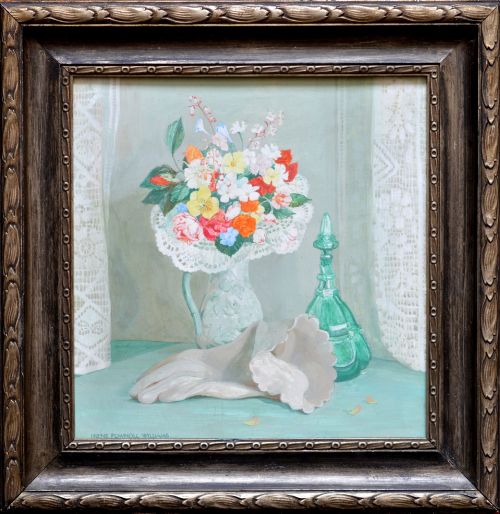
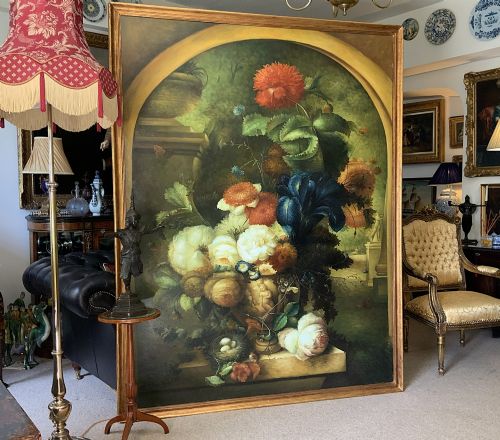
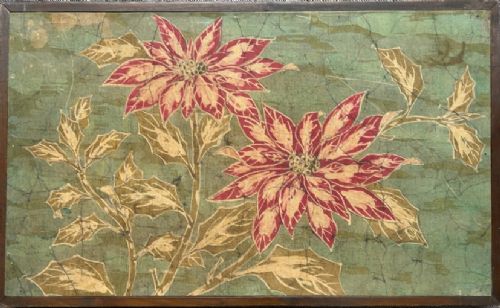
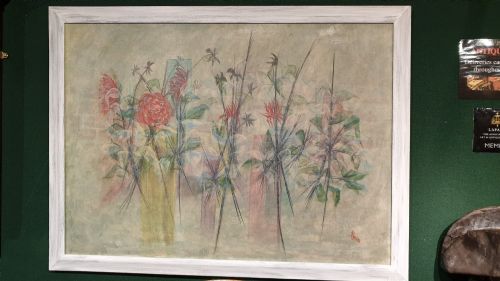
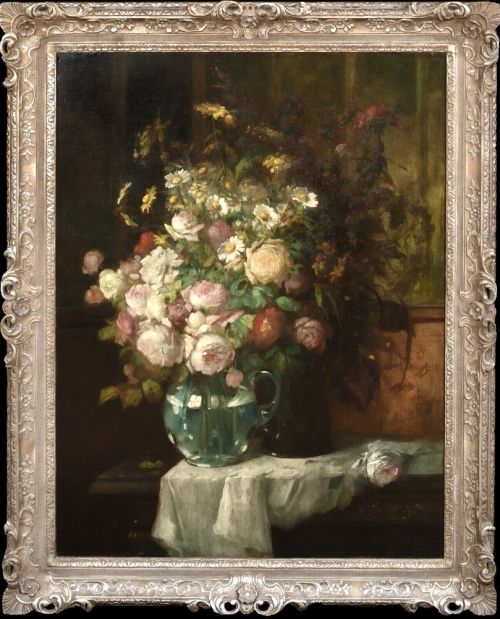
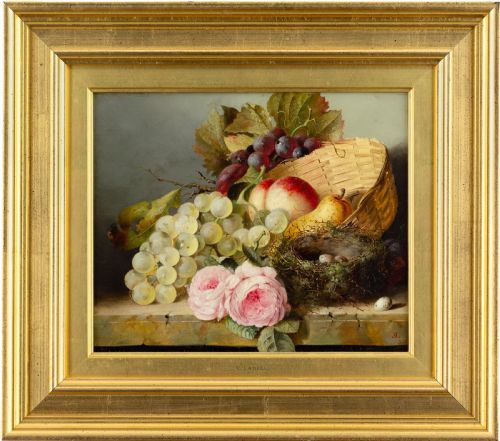
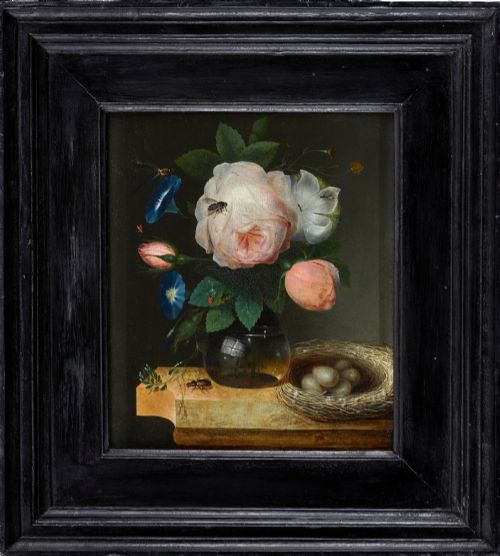
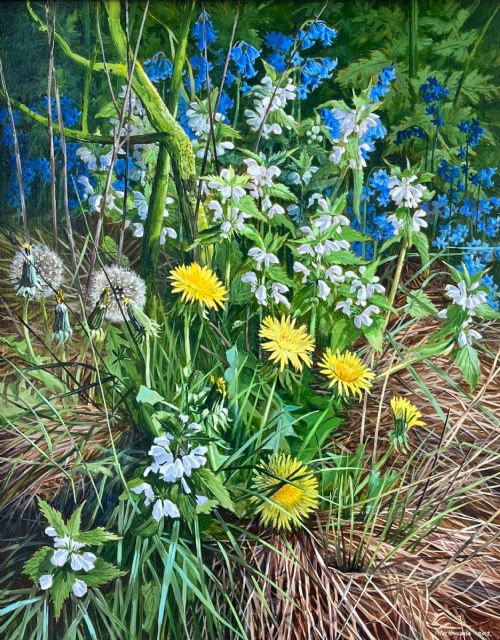
Green framed floral artwork encompasses paintings and studies focusing on flowers, gardens, and botanical specimens created across the nineteenth and twentieth centuries. These pieces range from detailed Victorian naturalism and Dutch Baroque revival styles to mid-century modern and impressionist interpretations of flora.
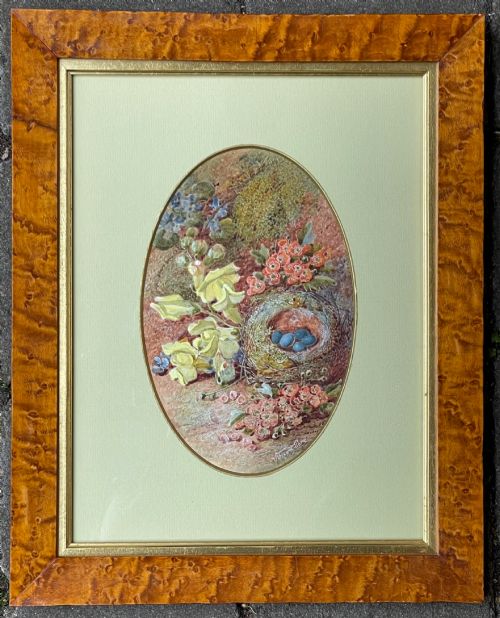
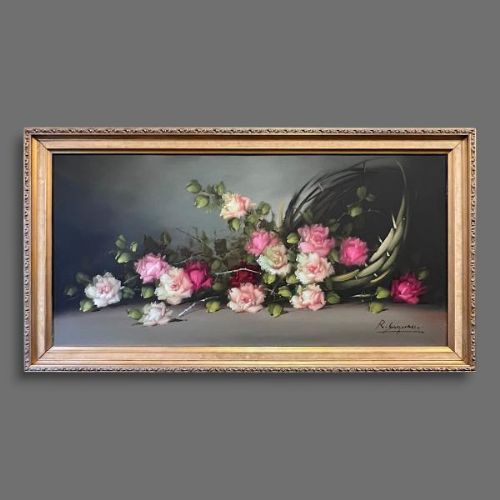
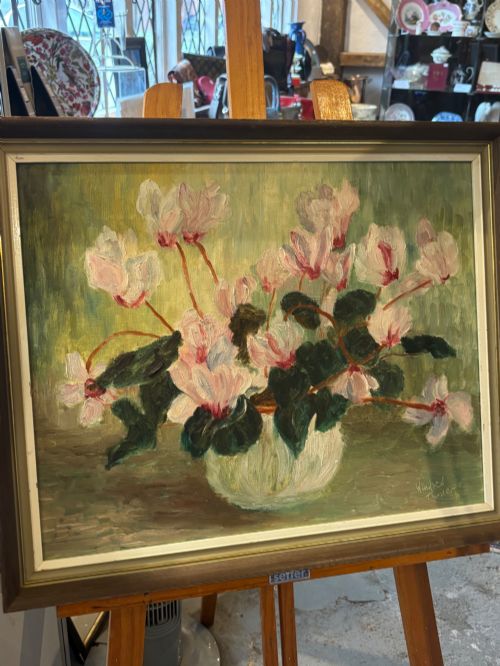
Buyers selecting green framed floral artwork will encounter original oils on canvas or board, delicate watercolours on paper, and gouache studies. Many of these works showcase traditional floral still lifes with roses, vases, and wicker baskets, alongside garden landscapes and botanical illustrations.
Materials and methods
The physical construction of these pieces relies on traditional supports such as canvas, heavy paper, and wooden panels. Artists applied media including oil paint, watercolour, gouache, and tempera, often finishing the work with protective glass or gold leaf accents.
Surrounding enclosures utilise timber frames that complement the botanical subject matter, frequently finished with green paint tones or gilt detailing to frame the painted or drawn floral imagery.
Listings feature works executed in oil paint, watercolour, gouache, and tempera across canvas, paper, and wood panel supports.
Assessing quality
Quality in these works is dictated by the painterly skill shown in the brushwork, the accuracy of botanical detail, and the compositional balance of the floral arrangement. Hand-painted oil on canvas or finely worked watercolours demonstrate a higher degree of execution than mass-produced decorative prints.
The harmony between the artwork and its housing also influences overall merit, where period-appropriate wooden framing enhances the visual impact of the central floral subject without overpowering it.
Vincent Clare·Edward Ladell·Owen Bowen·James Tower·John Curtis
The Green Framed Floral Artwork Glossary
- Watercolour
- A paint consisting of pigment suspended in a water-based solution, traditionally applied to paper to create luminous, translucent floral studies.
- Still life
- An artwork depicting inanimate subject matter, frequently featuring cut flowers in vases, baskets, or natural settings.
- Gouache
- An opaque water-based paint that provides solid, flat areas of colour and sharp detail in botanical illustrations.
- Impressionism
- A style of painting characterised by relatively small, thin yet visible brush strokes focusing on light and natural atmosphere.
- Panel
- A flat piece of wood used as a rigid support for oil or tempera paintings instead of stretched canvas.
Green Framed Floral Artwork: Frequently Asked Questions
How should I hang green framed floral artwork?
These pieces suit spaces with moderate natural light, away from direct sunlight to protect pigments on paper or canvas. Pairing them with neutral wall colours helps the green frames and floral hues stand out.
Ensure secure fixings into wall studs or use appropriate plaster anchors, especially for larger oil paintings on canvas or heavy wood panels.
What periods do these floral artworks come from?
The selection spans from the nineteenth century through the Victorian and Edwardian eras into the mid-twentieth century. Styles range from classical revivals to mid-century impressionism.
Each era brings distinct framing choices and painting techniques, reflecting the changing aesthetic preferences of the period.
Are watercolours and oils framed differently?
Watercolour paintings require glass protection to shield the delicate pigments and paper from atmospheric moisture and dust. Oil paintings on canvas or panel are typically displayed unglazed to let the texture of the paint remain visible.
Both types utilise timber frames, sometimes finished with gold leaf or painted green accents.
How do I care for antique floral paintings?
Keep the works in stable indoor environments with minimal humidity fluctuations to prevent wood panels from warping and canvas from sagging. Dust frames gently with a dry, soft cloth.
Avoid using liquid cleaners on painted surfaces or exposed paper, and consult a professional conservator for deep cleaning.