

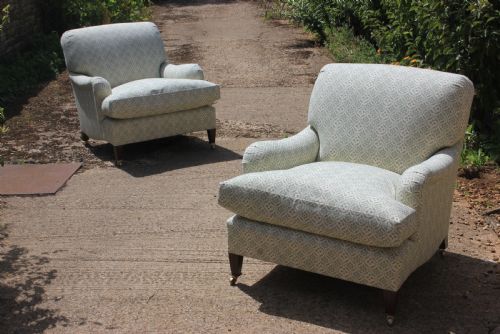
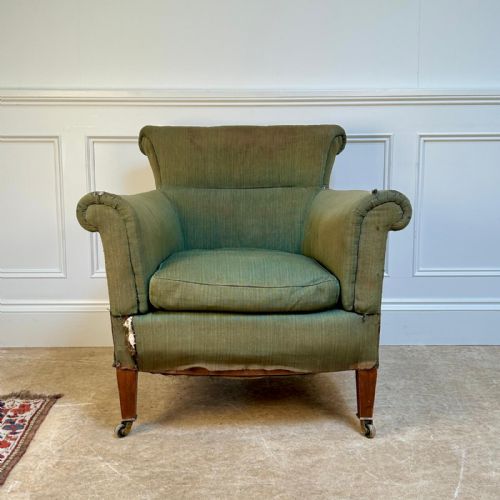


Green Fabric Seat Armchair
These green fabric seat armchairs span periods from the nineteenth century onwards, offering comfortable seating upholstered in various fabrics.
Green Fabric Seat Armchair
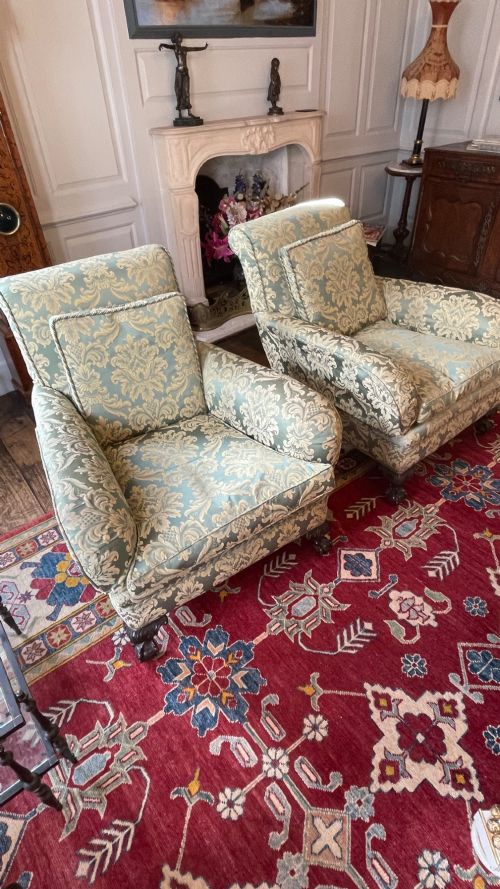
A green fabric seat armchair brings upholstered seating into domestic spaces across different historical periods. The listings here present various forms ranging from nineteenth century examples to later twentieth century pieces.
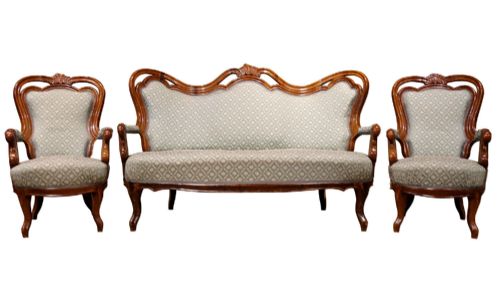
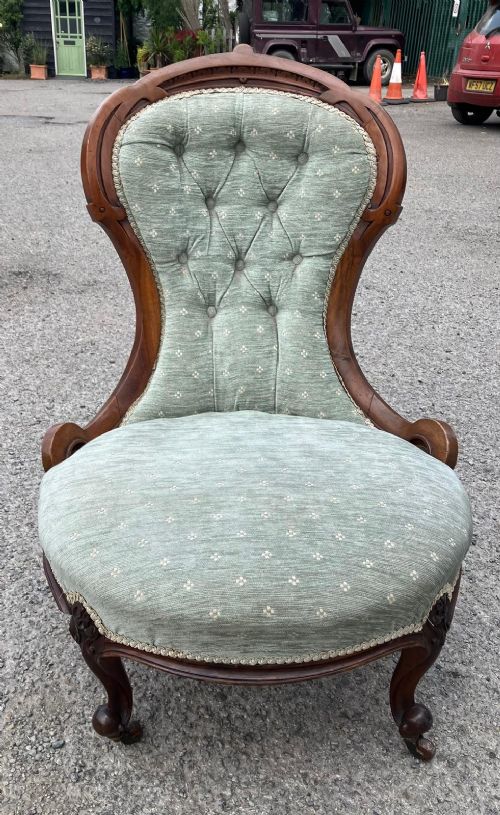
Buyers encounter diverse iterations such as Victorian walnut nursing chairs, Edwardian armchairs, and salon suites. These pieces combine wooden frames in mahogany, walnut, teak, or giltwood with upholstered seating.
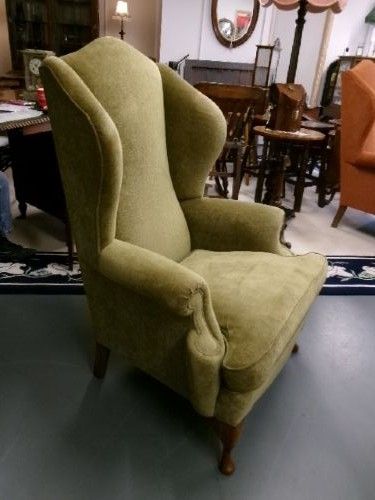
Origins stretch from English country styles to continental European workshops and Chinese export pieces. The selection includes library chairs, fireside wing armchairs, and larger proportions suited to historic interiors.
Construction and materials
Frames rely on hardwoods including mahogany, walnut, teak, and hardwood, alongside ebonised and gilt finishes. Joinery and structural carving define pieces like nineteenth century library chairs and Louis XIV style giltwood armchairs.
Upholstery utilises fabric, tapestry fabric, and specialised ticking fabric supported by internal methods typical of makers like Howard and Sons. Brass details and wooden components complete the structural and decorative assembly.
Green Fabric Seat Armchair Retail Price Guide 2026
Typical asking prices for green fabric seat armchair among the pieces listed under this phrase on Sellingantiques today, from the lower quarter to the upper quarter. They describe what is for sale here now, not the wider market.
Some chairs are designed for nursing, while others accommodate library reading or fireside relaxation.
Assessing quality
Quality differentiates through the integrity of the hardwood frame, the precision of the carving, and the fidelity of revival styles such as Rococo or Louis XIV. Finer examples retain original structural elements and sophisticated joinery.
The standard of upholstery and the preservation of materials like walnut, mahogany, and giltwood shape the overall character of each chair. Maker attribution, visible in pieces associated with workshops like Howard and Sons, distinguishes specific pieces.
Howard and sons
The Green Fabric Seat Armchair Glossary
- Armchair
- A comfortable seat with side supports for the arms, constructed in various historical styles and woods. These items form the primary focus of the current listings.
- Wingback
- An armchair featuring side panels designed to shield the user from draughts. Victorian examples demonstrate this form alongside modern iterations.
- Giltwood
- Wood that has been coated with gold leaf or a gilt finish. This treatment appears on nineteenth century decorative frames.
- Salon suite
- A matched set of seating furniture intended for formal entertaining. Continental walnut suites represent this category.
- Nursing chair
- A low-seated chair historically designed for comfort during infant feeding. Victorian walnut versions illustrate this specific type.
Green Fabric Seat Armchair: Frequently Asked Questions
What periods do these armchairs represent?
The selection includes pieces from the nineteenth century, Victorian era, Edwardian period, and items dating later than nineteen sixty. Styles range from Georgian and Rococo Revival to Art Nouveau and Louis XIV.
Craftsmanship reflects the prevailing aesthetic of each decade, utilising traditional woods and upholstery methods appropriate to the specific era of manufacture.
How do I identify a Howard and Sons armchair?
Howard and Sons pieces often feature distinct upholstery techniques, such as ticking fabric, and specific structural proportions. Researching maker marks and construction details helps verify attribution.
These armchairs are associated with refined nineteenth and early twentieth century English upholstery traditions.
What wood types are used in the frames?
Frames utilise hardwoods such as mahogany, walnut, teak, and general hardwood. Some pieces feature ebonised and gilt finishes or giltwood construction.
The choice of timber typically aligns with the period and regional origin, from English Victorian workshops to continental European makers.
Where were these armchairs made?
Origin locations span English country workshops, continental European makers, and Chinese export production. Styles reflect these diverse geographical influences.
Each piece incorporates regional cabinet-making techniques and decorative motifs characteristic of its place of origin.
What styles of seating are available?
Available forms include salon suites, nursing chairs, bedroom chairs, library chairs, and wing fireside armchairs. Proportions vary from compact seating to large proportions.
Upholstery materials cover standard fabric, tapestry fabric, and specialised ticking fabric.