





Green Enamel Porcelain Vase
A green enamel porcelain vase brings vibrant colour and meticulous hand-painting to a room, offering rich historical craftsmanship.
Green Enamel Porcelain Vase
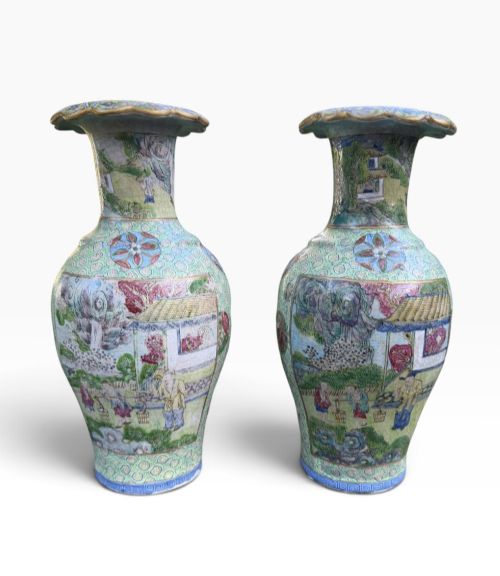
When you search for a green enamel porcelain vase, you are looking at pieces defined by intricate floral, dragon, and figural motifs executed across centuries. The items available here span periods such as the 17th Century, Regency, Victorian, and Qing Dynasty eras.
You will encounter forms ranging from baluster vases and jars to converted table lamps and square cong vessels. Chinese Export and Qing Dynasty styles dominate the selection, alongside Japanese Satsuma and English Worcester porcelain productions.
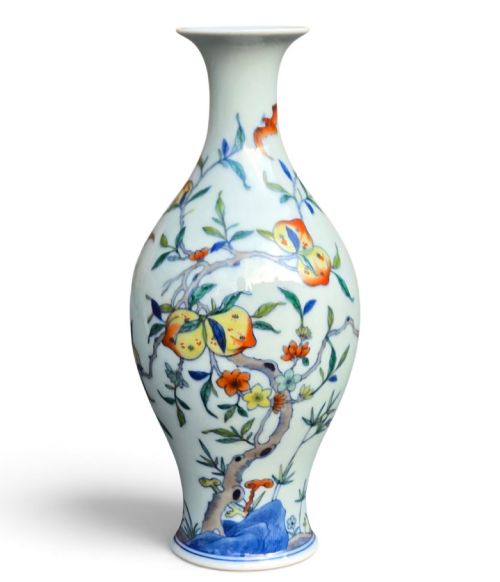
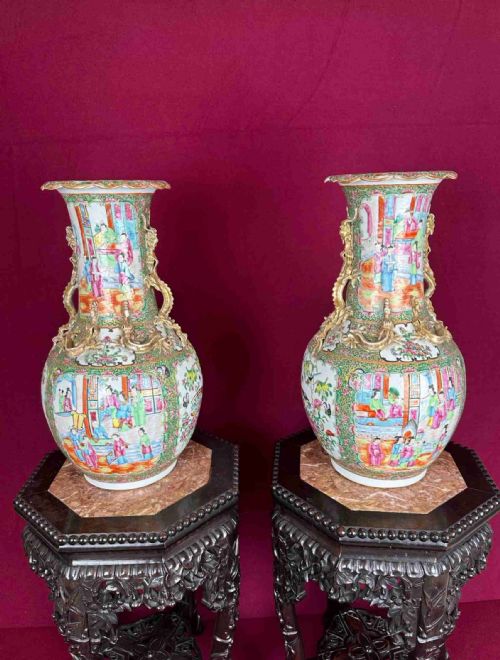
These vessels showcase diverse decorative palettes including Famille Verte, Famille Rose, Wucai, and Doucai schemes. Each piece reflects specific historical trade routes and traditional kiln techniques preserved in ceramic form.
How they were made
The foundation of every piece is high-fired ceramic porcelain, shaped into jars, urns, and baluster forms before receiving initial underglaze blue or white treatments. Artisans then applied vibrant ceramic enamels by hand, often incorporating iron red, yellow, and green pigments to build up complex pictorial scenes.
Gilding and gold leaf frequently highlight the rims, handles, and borders, enhancing the decorative impact of the painted surfaces. Selected pieces feature gilt bronze mounts added during later European adaptations, particularly when converted into table lamps.
Green Enamel Porcelain Vase Retail Price Guide 2026
Typical asking prices for green enamel porcelain vase among the pieces listed under this phrase on Sellingantiques today, from the lower quarter to the upper quarter. They describe what is for sale here now, not the wider market.
Listings feature porcelain vessels decorated with green enamel from the 17th Century, Regency, Victorian, and Qing Dynasty periods.
What varies in quality
Quality rests upon the precision of the hand-painted brushwork and the clarity of the enamel colours against the porcelain body. Finer examples display deeply detailed facial expressions, crisp botanical outlines, and controlled application of green enamel alongside contrasting tones.
The integrity of the form and the preservation of the original glaze or gilding dictate the standing of a piece within the range. Later adaptations, such as bronze lamp mounts, introduce another layer of craftsmanship that influences the overall execution.
Flight, Barr and Barr
The Green Enamel Porcelain Vase Glossary
- Famille Verte
- A palette dominated by green enamel overglaze painting, characteristic of Qing dynasty porcelain. It frequently depicts figures, birds, and flowers in lively hues.
- Famille Rose
- A ceramic decoration style utilising an opaque pink or rose enamel, introduced in the 18th century alongside greens and yellows. This technique allows for subtle tonal shading in floral and figural subjects.
- Baluster
- A vase shape with a rounded body that tapers toward the base and flares slightly at the neck. It provides a generous surface area for intricate painted narratives.
- Doucai
- A technique combining underglaze blue outlines with overglaze contrasting enamels. The design is outlined in blue, glazed, fired, and then filled with coloured enamels before a second low-temperature firing.
- Wucai
- Five-colour porcelain decoration involving underglaze blue and a combination of overglaze enamel colours such as green, red, and yellow. It produces a rich, contrasting visual texture.
Green Enamel Porcelain Vase: Frequently Asked Questions
What is a green enamel porcelain vase?
A green enamel porcelain vase is a ceramic vessel decorated with overglaze green pigments alongside other colours, originating primarily from Chinese dynasties and European factories.
These objects include baluster vases, jars, and urns designed for decorative display or adapted as lighting.
How do I date a green enamel porcelain vase?
Dating relies on examining the stylistic traits of the painting, the composition of the porcelain body, and the characteristics of the glaze. Evidence points toward periods including the 17th Century, Qing Dynasty, and Victorian eras.
Secondary additions like gilt bronze mounts or later electrical fittings also provide clues regarding when a piece was imported or adapted in Europe.
Were these vases used as lamps originally?
Many vases were originally created as standalone decorative vessels or storage jars before being mounted and wired as table lamps in later centuries.
Dealers often note gilt bronze mounts or conversions in the description, reflecting how Victorian and later owners repurposed these ceramics for modern interiors.
How should I clean a green enamel porcelain vase?
Dust the surface gently with a soft, dry cloth to protect the delicate overglaze enamels and any applied gold leaf. Avoid harsh chemical cleaners or submersion in water, as antique ceramic glazes and metallic highlights can be fragile.