


Antique Chinese Pottery Jar
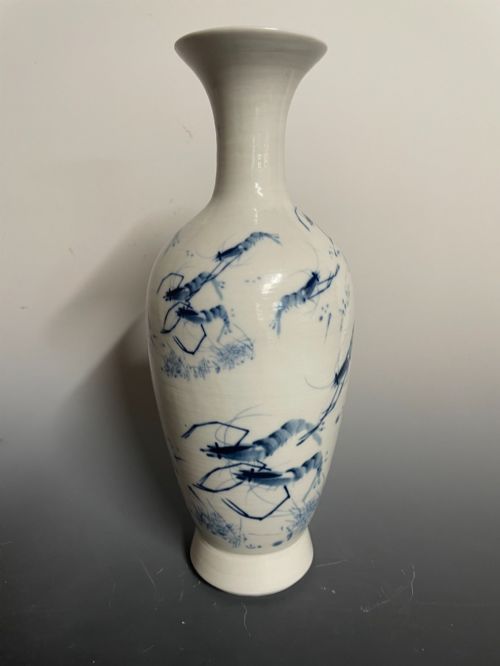
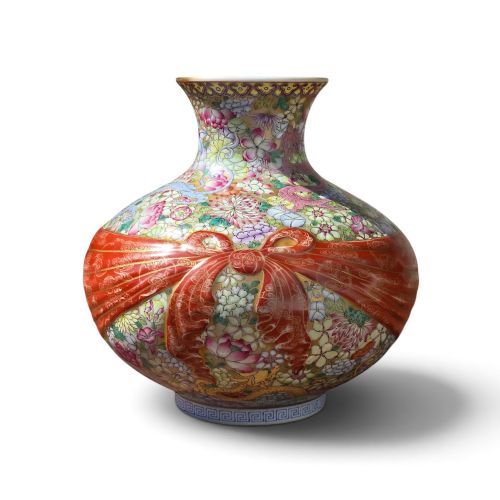
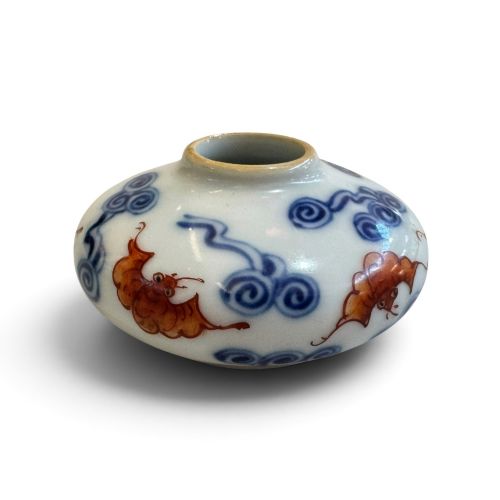
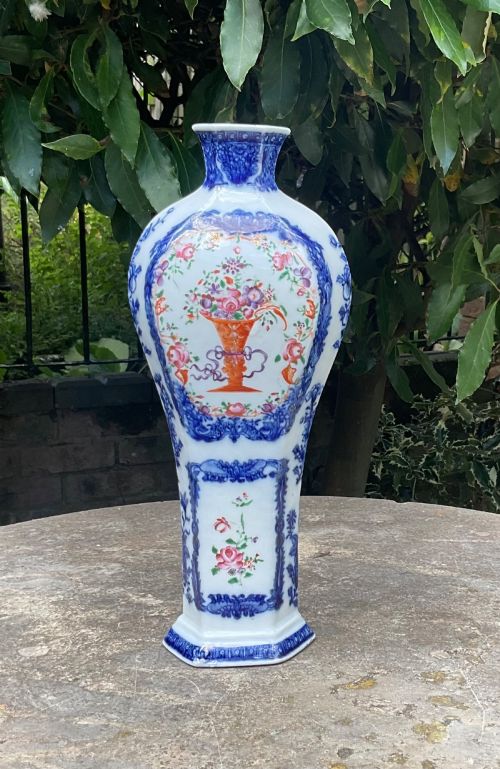
An antique chinese pottery jar brings millennia of ceramic artistry into your home, spanning ancient earthenware vessels to delicate Qing Dynasty porcelain.
Antique Chinese Pottery Jar
An antique chinese pottery jar encompasses a diverse range of vessels, from Neolithic earthenware to sophisticated Qing Dynasty porcelain and transitional wares. You will encounter lidded jars, ginger jars, baluster forms, and utilitarian vessels across this selection.
The periods represented stretch from ancient prehistoric cultures through the Ming and Qing dynasties into the early twentieth century. Pieces take many forms, including scholarly objects, temple jars, and decorative vessels adapted for modern lighting.
Most examples you meet date from the nineteenth century or utilise earlier styles, reflecting centuries of continuous ceramic tradition. Each vessel tells a story of its specific kiln origin and historical period.
What varies in quality
Quality rests in the precision of the potting, the clarity and depth of the painted pigments, and the stability of the glaze. Master potters achieved finer control over kiln temperatures, resulting in smooth glazes and vibrant, well-defined polychrome enamels.
The sophistication of the brushwork and the harmony of the overall composition distinguish ordinary vessels from exceptional works of art. Age alone does not dictate quality, as technical mastery varied widely across different dynasties and regional kilns.
Materials documented across the inventory include porcelain, enamel, ceramic, glaze, cobalt glaze, brass, wood, and gold leaf.
The Antique Chinese Pottery Jar Glossary
- Celadon
- A term for ceramics with a pale green or grey-green translucent glaze. This glaze mimics jade and results from iron oxide fired in a reduction kiln.
- Famille Rose
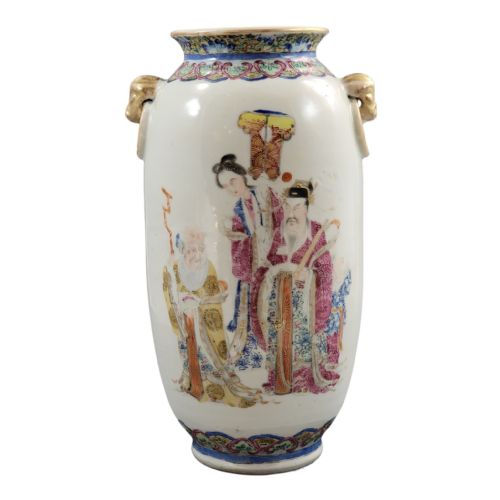
- A palette of opaque rose-pink enamel introduced in the eighteenth century. Artisans used this technique to create delicate floral and figurative scenes.
- Underglaze Blue
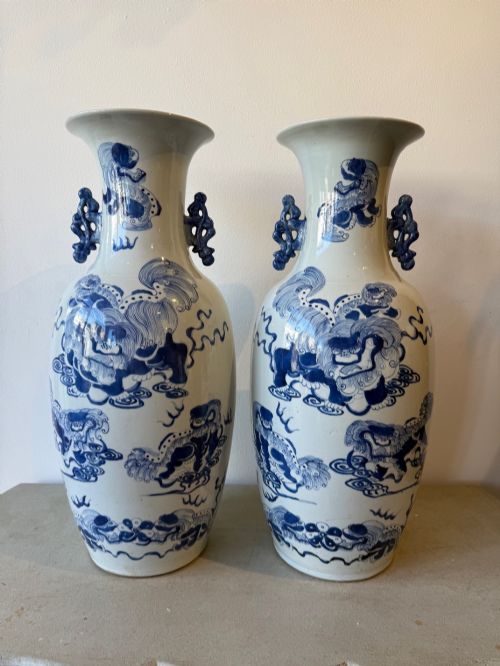
- Pigment applied to the raw clay body before glazing and firing. Cobalt blue is the most common mineral used for this enduring decoration.
- Doucai
- A decorative technique combining underglaze blue outlines with overglaze enamel infill. Potters fired these pieces twice to achieve the contrasting colours.
- Double-Gourd
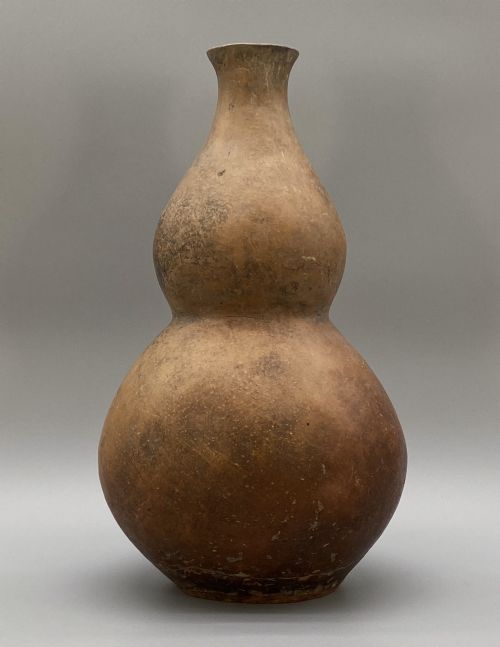
- A vessel shape resembling two stacked spheres, symbolising fortune and auspiciousness. This form appears in various ceramic bodies from early periods onwards.
Antique Chinese Pottery Jar: Frequently Asked Questions
How do I date an antique Chinese jar?
Dating relies on stylistic markers, potting techniques, and reign marks found on the base of the vessel. Comparing the glaze characteristics and cobalt tones to known examples helps establish the correct period.
Kiln technology and decorative motifs evolved across dynasties, providing reliable clues for identification. Expert examination of the foot rim and clay body often reveals the true age of the piece.
Were these jars used for storage?
Many jars served practical purposes such as storing tea, ginger, wine, or dry goods in households and trading vessels. Lidded ginger jars and larger urns were specifically designed to protect perishable contents from moisture and pests.
Over time, elite households repurposed decorative jars for display, while later generations sometimes converted them into table lamps. The presence of a lid often indicates a storage origin, whereas open vases served purely aesthetic functions.
What is the difference between porcelain and pottery?
Pottery is a broad term encompassing all fired clay objects, including porous earthenware and stoneware vessels. Porcelain is a specific, highly refined ceramic made from kaolin clay and petuntse, fired at extremely high temperatures.
Porcelain becomes vitreous, non-porous, and rings when struck, unlike coarser earthenware jars. Ancient Neolithic pieces are typically earthenware, while later dynastic items often feature fine porcelain bodies.