


Green Countryside Landscape Art
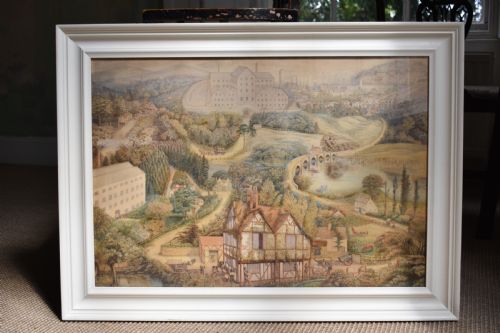
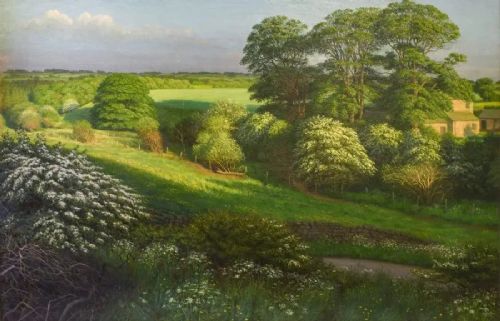
Green countryside landscape art captures rural scenes across British and European vistas through historic paintings and watercolours.
Green Countryside Landscape Art
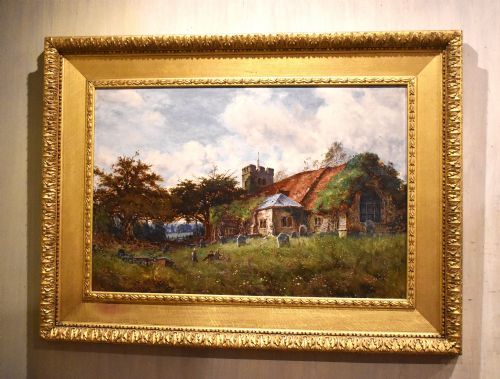
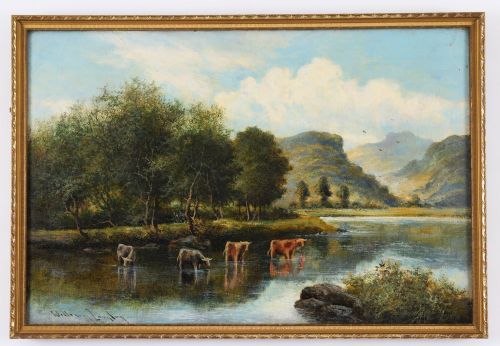
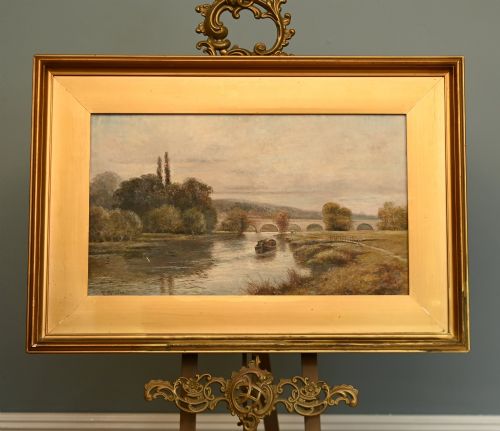
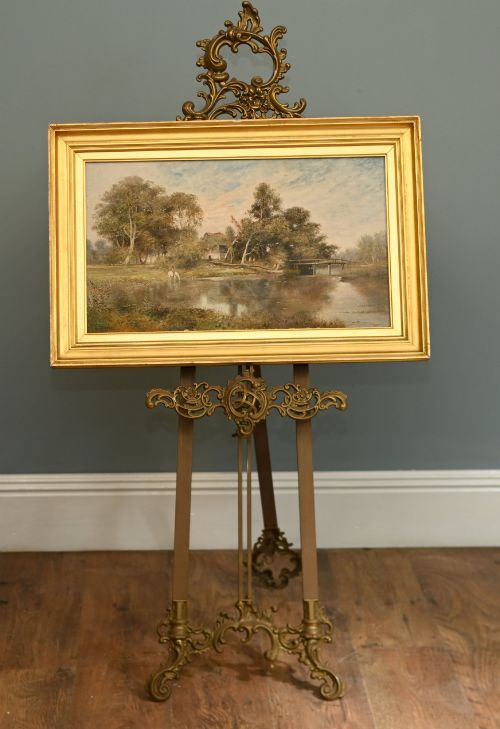
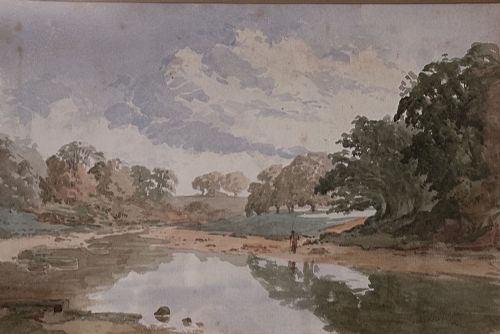
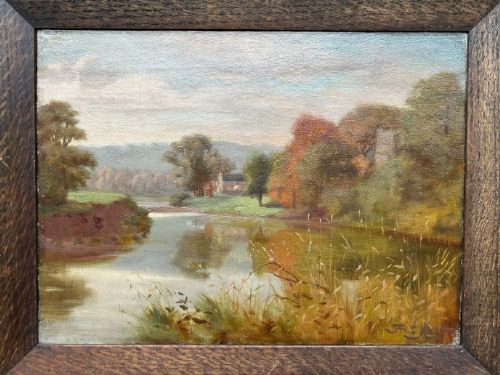
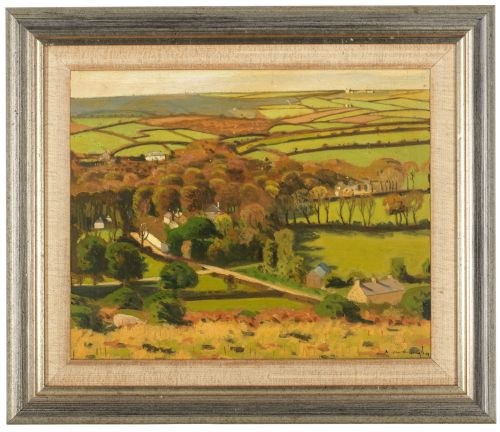
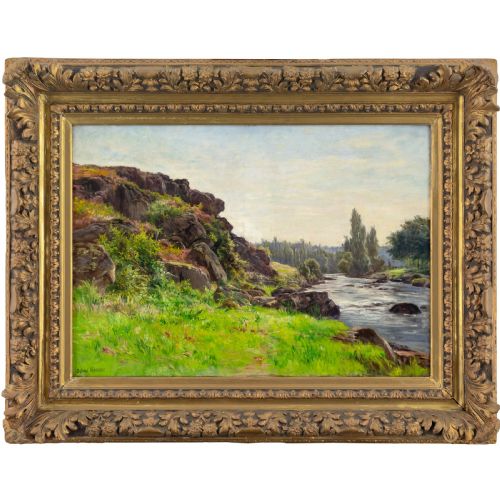
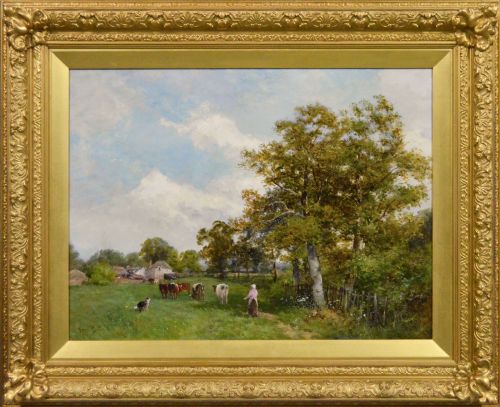
When searching for green countryside landscape art, collectors encounter original nineteenth-century and early twentieth-century works depicting pastoral views, rivers, and woodland scenes. These pieces frequently record rural life through depictions of cattle, figures, and quiet valleys across Britain and Europe.
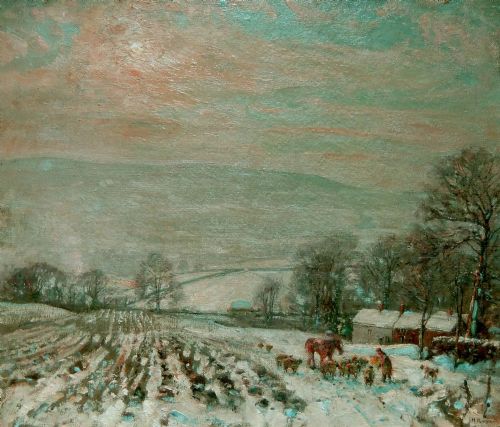
The selections on this page span Victorian naturalism, British impressionism, and the English school. Painters capture seasonal changes, from spring hedgerows and summer afternoons to autumn rivers and winter feeding grounds.
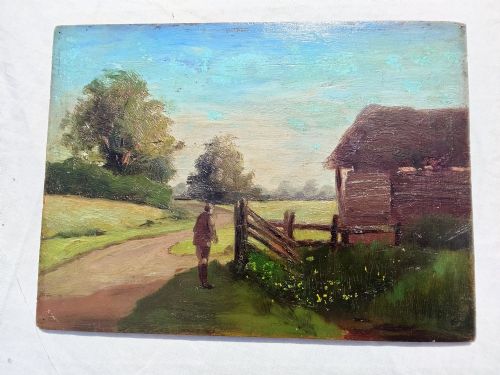
Oil paintings on canvas and wood panel sit alongside delicate watercolour paintings on paper. Smaller board studies and framed gallery works represent the predominant formats available to modern buyers.
Materials and methods
Artists relied primarily on oil paint applied to stretched canvas, wooden board, or prepared wood panels to build rich textures and depth. Watercolours on paper offered a lighter, fluid medium frequently utilised for plein air studies and detailed rural views.
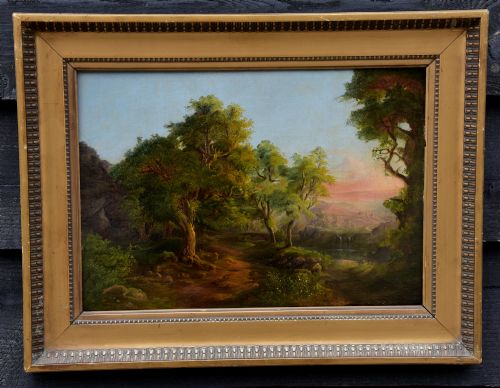
Substantial gilt wood frames often enclose these works, complementing the palette of earthy greens, browns, and skies. Pigments were worked with brushes and occasionally impasto techniques to capture the play of light across foliage and fields.
Listings feature works executed in oil paint, canvas, wood panel, and watercolour on paper.
Judging quality in historic landscapes
Quality rests upon the artist's handling of light, atmosphere, and spatial depth within the natural setting. Superior works demonstrate confident brushwork and a coherent tonal balance that gives the countryside a genuine sense of air and movement.
The strength of the composition and the preservation of the original pigment surface distinguish finer pieces from standard decorative works. Signed works by recognised painters carry greater documentation of the artist's hand and period context.
Richard Sebastian Bond·William H Myers·George Graham·Frederick Marriott·Herbert Royle·Robert Morson Hughes·William Joseph Boyes·Gabriel Mathieu·David Bates·Harald Foss·Eric Brown·Henri Ottmann·Richard Redgrave·Ernest Higgins Rigg·Peter Newcombe·George Oyston·Rene Levrel·Russell Sidney Reeves·Alexander Wellwood Rattray·John Horace Hooper·Hubert Wellington·Edgar Woollatt·Joseph Edward Hennah·Charles Gregory·Helen Layfield Bradley
The Green Countryside Landscape Art Glossary
- Oil on Canvas
- A painting medium where pigments suspended in oil are applied to a woven fabric support stretched across a wooden frame. This technique allows for rich blending and textured applications of paint.
- Watercolour
- A paint consisting of colorants suspended in a water-soluble vehicle, typically painted on paper. It creates transparent washes of colour suited for luminous landscape effects.
- Impasto
- Paint applied thickly to a canvas or panel so that the brush or palette knife marks stand visibly out from the surface. This technique adds tactile dimension to foliage, water, or clouds.
- English School
- A historical grouping of artists working within Britain who shared common stylistic influences and academic traditions. It denotes regional stylistic heritage rather than a single physical institution.
- Plein Air
- The act of painting outdoors to capture the actual light and transient qualities of a natural scene directly. Artists utilising this method responded immediately to changing weather and countryside illumination.
Green Countryside Landscape Art: Frequently Asked Questions
What periods do these paintings date from?
The works span from the nineteenth century through the mid-twentieth century, capturing Victorian pastoral ideals and early modern developments.
Key decades represented include the Victorian era, Edwardian period, and interwar years.
How should I frame an antique oil painting?
Traditional gilt wood frames complement nineteenth-century and early twentieth-century canvases by reflecting period aesthetics.
Ensure the frame does not pinch the canvas and allows the wood or stretcher to breathe naturally.
Where were these landscape scenes typically painted?
Artists painted across rural British locations such as Wales, Cornwall, Yorkshire, and the Home Counties, alongside continental European spots.
Many scenes depict specific rivers, woodlands, and coastal estuaries familiar to plein air painters.
How do I care for watercolour paintings?
Keep watercolours away from direct sunlight to prevent the pigments and paper from fading over time.
Display them behind conservation glass with neutral mounting to protect the paper from humidity.