


Green Countryside Canvas Painting
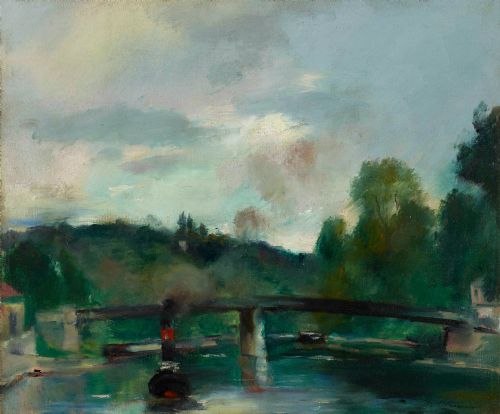
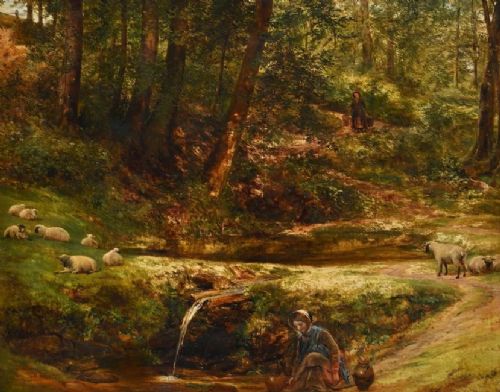
A green countryside canvas painting captures pastoral stillness, river views and wooded valleys through rich brushwork.
Green Countryside Canvas Painting
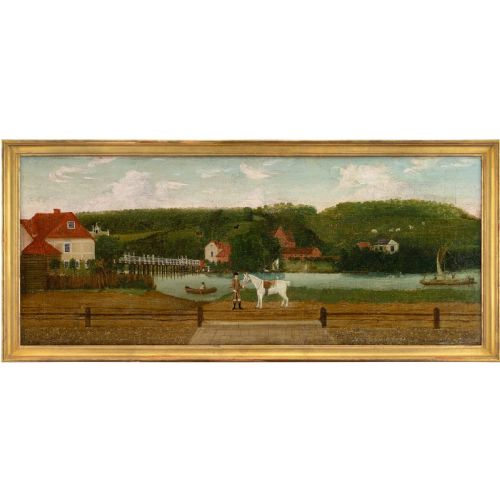
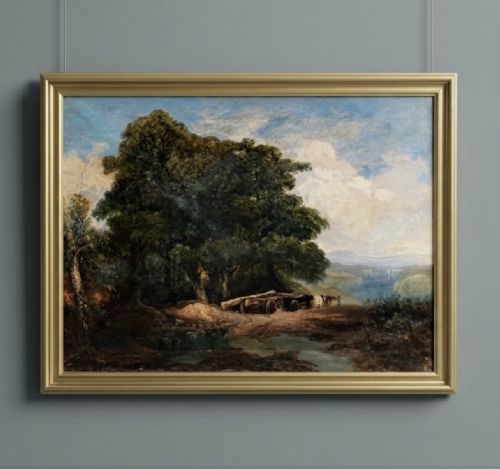
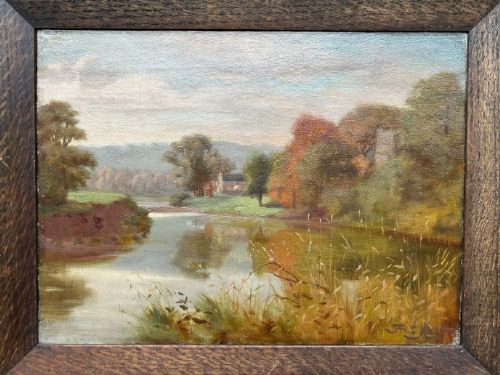
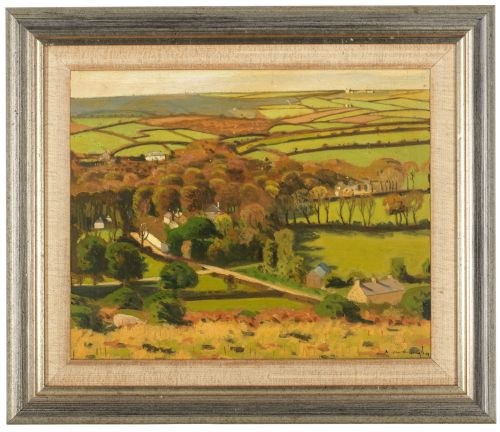
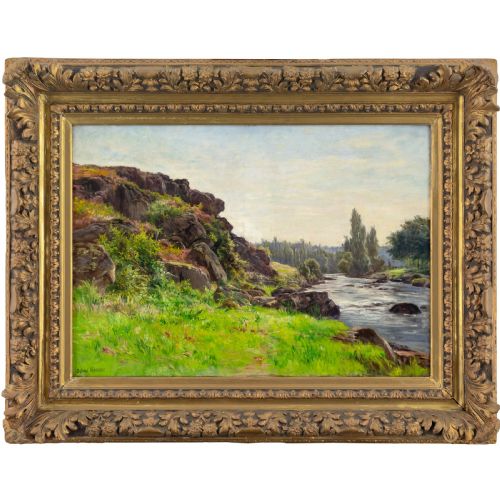
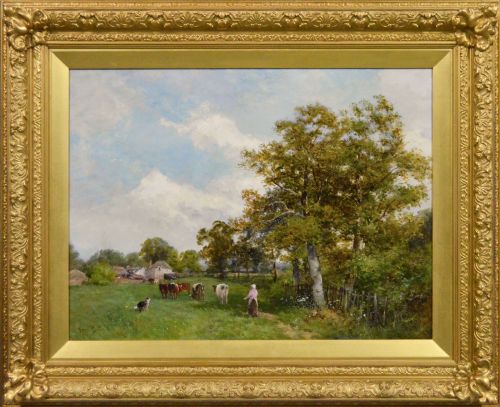
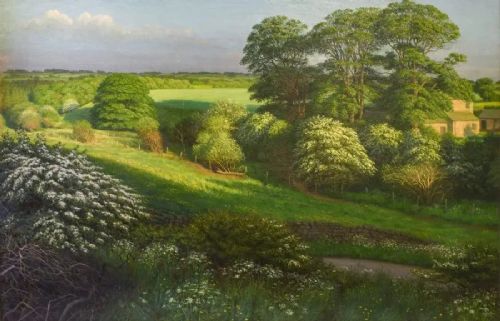
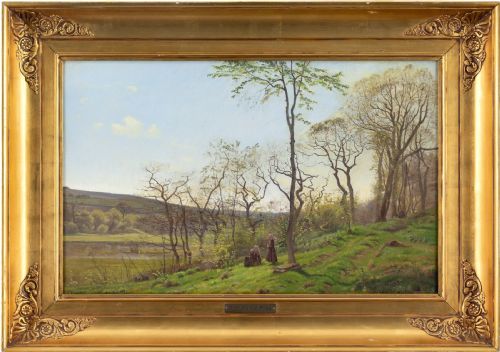
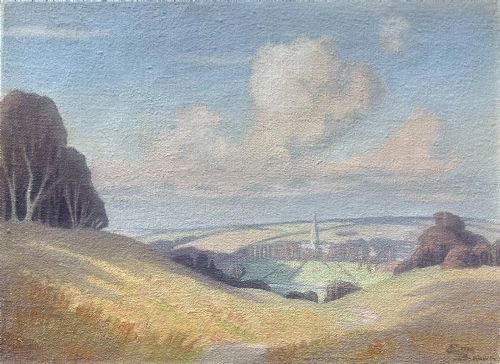
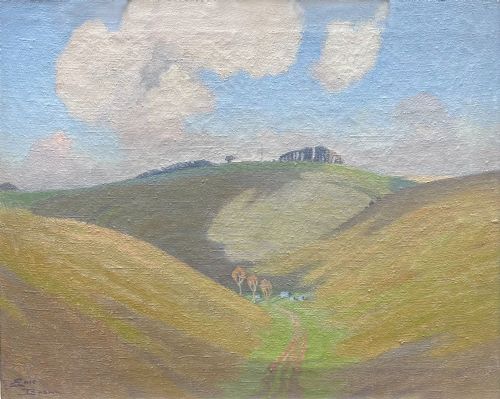
When searching for a green countryside canvas painting, buyers encounter original oil paintings spanning the Victorian era through the mid-twentieth century. The selection ranges from pastoral river scenes and woodland cattle to sunlit meadows and hill views.
British Impressionism, Post-Impressionism and Victorian Naturalism dominate the styles present. These works depict rural landscapes across Britain and France, framed in wood and gilt.
Materials and Technique
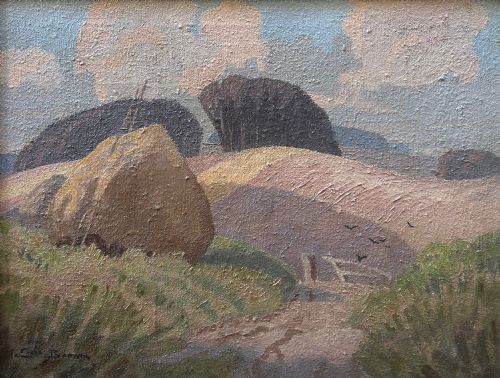
Artists built these works using oil paint applied to canvas stretched over wooden supports. Some pieces utilise impasto technique to build texture in foliage and fields.
Traditional wooden frames, often finished with gilt, enclose the canvases and protect the edges of the cloth.
Listings span the nineteenth century through the 1960s, executed in oil paint and acrylic on canvas.
Evaluating Quality
Quality rests in the handling of light, shadow and atmospheric depth across the rural scene. Skilled brushwork defines the vegetation, water and sky rather than reliance on rigid outlines.
The integration of figures or livestock into the wider landscape demonstrates the artist's command of proportion and composition.
Richard Sebastian Bond·William H Myers·Frederick Marriott·Herbert Royle·Robert Morson Hughes·Gabriel Mathieu·David Bates·Raymond Booth·Harald Foss·Eric Brown·Henri Ottmann·Richard Redgrave·Ernest Higgins Rigg·Peter Newcombe·Rene Levrel·Alexander Wellwood Rattray·John Horace Hooper·Joseph Edward Hennah·Helen Layfield Bradley·Mario Pinetti·John Sanderson Wells·Reginald Grange Brundrit·Alfred Augustus Glendening Jnr·Owen Bowen·William Sydney Cooper
The Green Countryside Canvas Painting Glossary
- Impasto
- Paint applied thickly to a canvas so that it stands out from the surface. This technique builds physical texture in pastoral elements like grass and trees.
- Gilt
- A thin layer of gold applied to wood mouldings. It provides a decorative finish to the frames surrounding these works.
- Pastoral
- A style of art depicting rural life and countryside scenery. These works focus on peaceful agricultural and natural settings.
- British Impressionism
- A painting movement focusing on light and everyday subjects in an outdoor setting. Artists captured transient effects of weather and season across the landscape.
Green Countryside Canvas Painting: Frequently Asked Questions
What subjects appear in these countryside paintings?
The canvases show rivers, woodland cattle, haystacks and rolling hills. Figures such as fishermen, herders and villagers frequently inhabit the rural settings.
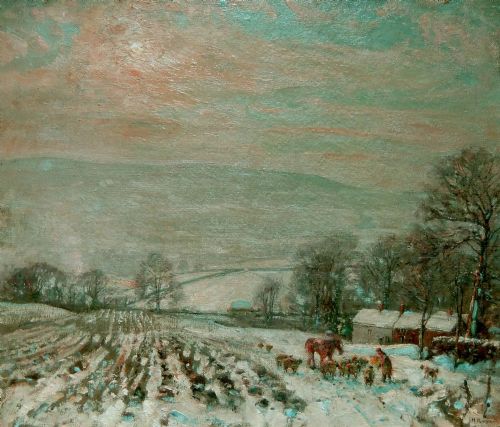
Scenes range from spring meadows to winter feeding grounds and evening light over Yorkshire valleys.
How do I date a nineteenth-century landscape?
Dating relies on recorded artist lifespans, framing styles and canvas stamps. Victorian works often show tighter brush detail compared to later impressionistic treatments.
Period inscriptions on the reverse or stretcher bars provide additional chronological evidence.
How should I hang and light an oil painting?
Hang the canvas away from direct sunlight and damp conditions to protect the oil pigments and wooden stretcher. Stable room temperatures prevent warping of the wood.
Use dedicated picture lights with low heat output to illuminate the canvas without damaging the paint surface.
What is the difference between Victorian and Edwardian pastoral art?
Victorian pastoral works tend toward narrative detail and naturalism. Artists rendered foliage and figures with high precision.
Edwardian and later pieces embrace broader brushstrokes and atmospheric light effects inspired by impressionist movements.