




Green Country Landscape Watercolour
A green country landscape watercolour captures rural vistas through delicate washes, bringing historic fields and riverbanks into domestic spaces.
Green Country Landscape Watercolour
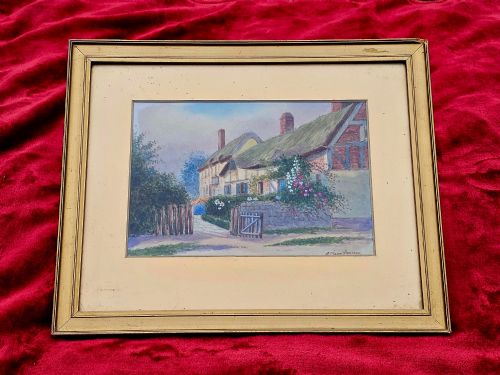
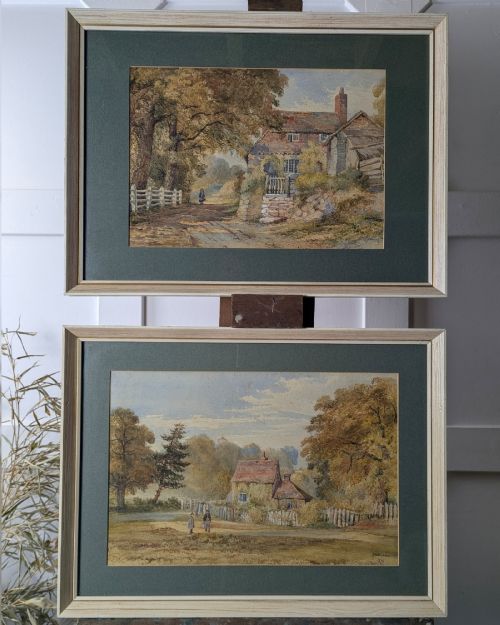
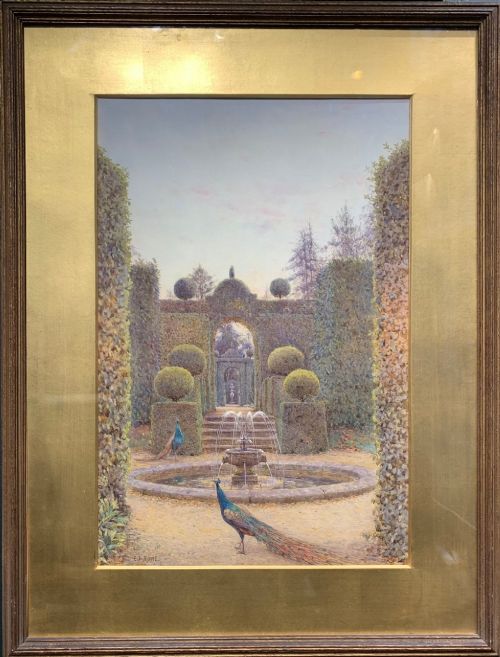
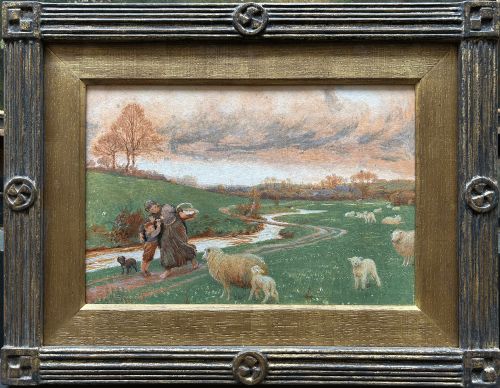
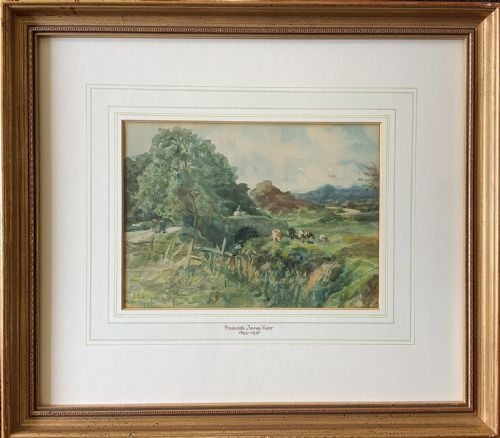
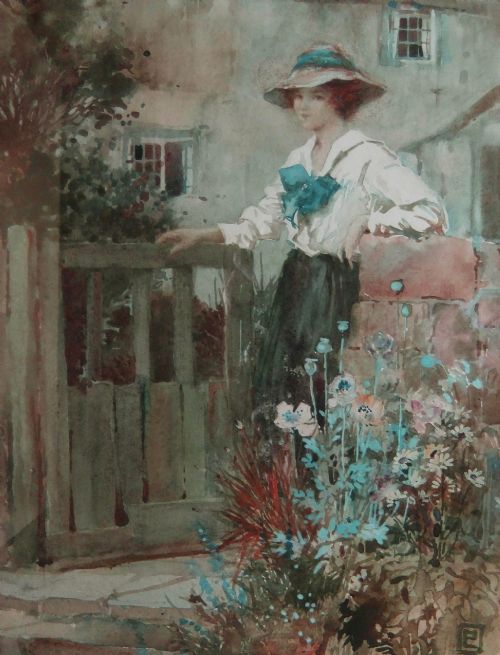
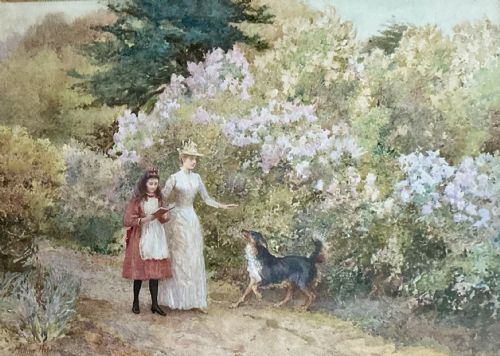
A green country landscape watercolour depicts rural British scenes, focusing on pastoral views, farmland, cottages, and woodland paths. The works originate predominantly from the nineteenth and early twentieth centuries, spanning periods from Victorian and Edwardian to British Impressionism.
Most pieces on this page take the form of framed paintings on paper, executed by regional artists working within English School traditions. Common subjects include thatched cottages, agricultural labourers, and river valleys rendered in naturalistic green and earth tones.
The selection represents a cohesive body of historic wall art rather than modern reproductions. Buyers encounter original works signed by period painters, framed in wood, gilt wood, or protected beneath glass.
Materials and technique
Artists painted these scenes using watercolour pigment applied to paper support, often building up washes to create atmospheric depth in foliage and skies. The technique relies on the transparency of water-soluble pigments to let the reflective quality of the white paper illuminate the green tones of the landscape.
Preservation of these works typically involves framing behind glass within wooden or gilt wood surrounds, which protects the delicate paper surface from atmospheric moisture and dust. Many examples retain their original nineteenth or early twentieth-century mounts and frames, occasionally accented with gold leaf details.
The inventory spans the Victorian and Edwardian periods, extending through British Impressionism and Edwardian Pastoral styles.
What separates the finer examples
Quality in these watercolours rests upon the artist's handling of light, atmospheric perspective, and the liveliness of the brushwork within the foliage. Stronger compositions display confident tonal control in the greens and shadows, conveying a convincing sense of place and seasonal mood.
The degree of finish and detail in the figures, livestock, or architecture distinguishes accomplished professional output from simpler amateur sketches. Original framing and clear provenance from documented exhibition periods also elevate individual pieces.
A. Marie Parsons·Robert A. Nottingham·Ernest Arthur Rowe·Frederick Walker·Frederick James Kerr·Percy Lancaster·Edgar Woollatt·Henry John Kinnaird·Arthur Hopkins·J S Ainley·Henry Bailey·John Atkinson·Theresa Stannard·Linnie Watt·Owen Bowen·Henri Joseph Harpignies·Frederick G. Coulridge·Rowland Henry Hill·William Stephen Coleman·Harry Sylvester Stannard·Henry Charles Fox·Will Anderson·Robert Hollands Walker·Thomas James Lloyd·Fred Lawson
The Green Country Landscape Watercolour Glossary
- Watercolour
- A painting method in which the paints are made of pigments suspended in a water-based solution. The medium is known for its translucent qualities and application on paper.
- Gilt wood
- Timber framing treated with gold leaf or metallic gilt finish. This material is frequently found on nineteenth and early twentieth-century frames designed to complement landscape paintings.
- Edwardian Pastoral
- An artistic style celebrating rural idylls and country life popular during the reign of Edward VII. These works emphasise tranquil countryside views and traditional agricultural scenes.
- British Impressionism
- A painting movement that adapted continental impressionist techniques to British subjects. Artists focused on natural light, outdoor settings, and spontaneous brushwork in landscape scenes.
Green Country Landscape Watercolour: Frequently Asked Questions
What periods do these watercolours date from?
The works span the nineteenth and early twentieth centuries, with strong representation from the Victorian and Edwardian eras. Artists recorded rural life across decades including the 1890s, 1900s, and 1920s.
Dates are established through artist biographical records, signatures, and period framing styles. Most pieces reflect the artistic conventions of the British school of landscape painting during these decades.
How should I hang a watercolour painting?
Watercolours require protection from direct sunlight to prevent the pigments and paper from fading over time. Hanging them on interior walls away from direct heat sources ensures the paper and framing remain stable.
Using proper picture wire and wall fixings suited to the weight of the wood and glass frame keeps the artwork secure. Regular inspection of the backing paper helps protect the painting from humidity.
Are these watercolours original antique works?
The inventory consists of original hand-painted works on paper created by period artists rather than modern prints or reproductions. Many pieces bear the original signatures or studio inscriptions of nineteenth and twentieth-century painters.
Evidence of age appears in the character of the paper support, traditional framing materials, and recorded artist exhibition histories. Each painting offers a unique record of historical British landscapes.
What framing styles accompany these landscapes?
Many works retain their period frames constructed from wood, gilt wood, or moulded profiles featuring gold leaf accents. These surrounds were chosen to complement the earthy tones of the countryside scenes within.
Original frames often show minor signs of age that reflect their historic origin. Collectors frequently value pieces that preserve their contemporary mounts and glazing.