





Green Column Stand
A green column stand brings architectural presence to a room, supporting sculpture, lighting or plants with classic vertical lines.

Green Column Stand
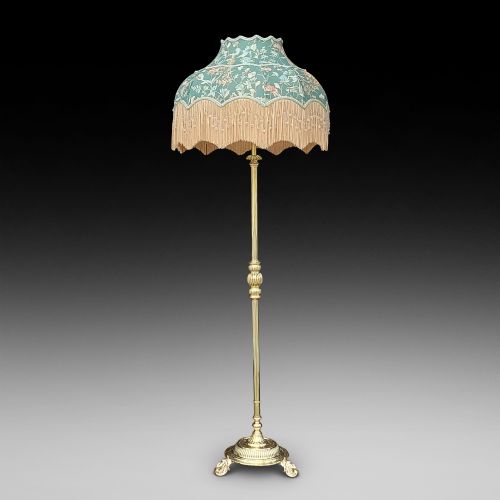
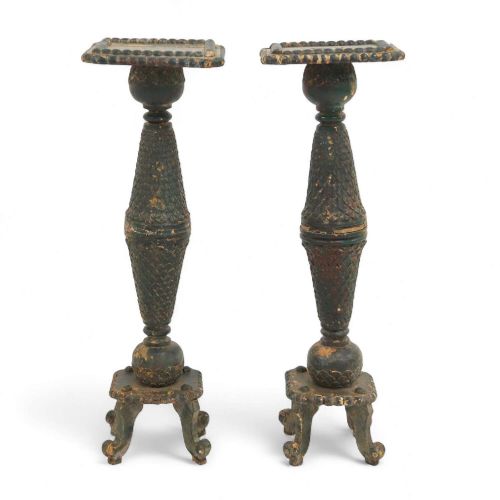
A green column stand encompasses architectural pedestals, torchières and plant supports designed to elevate display objects within a room. When exploring a green column stand, buyers encounter pieces primarily originating from the nineteenth century, including Victorian examples and items in the Neoclassical style.
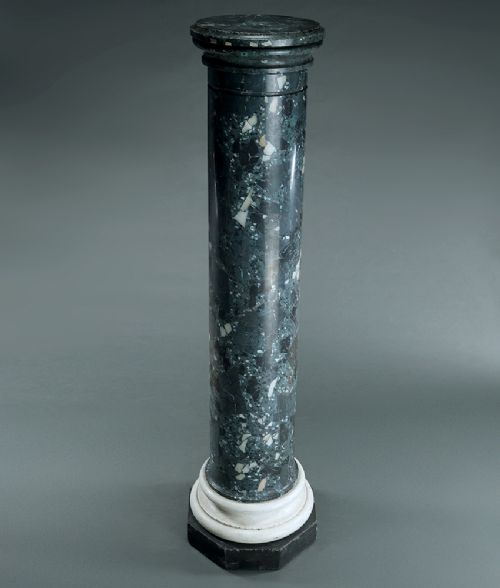
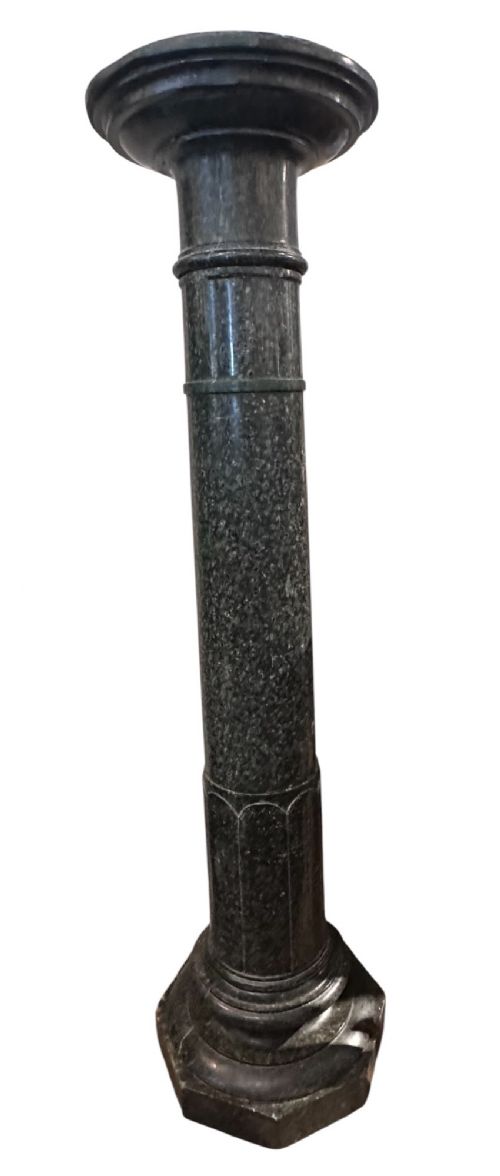
The selection ranges from grand marble and scagliola columns to decorative painted woodwork and occasional tables incorporating green stone elements. Forms span simple cylindrical shafts, square plinths and specialised jardinière stands designed to hold plants or statuary.
Origins stretch across British, French and Italian workshops, reflecting classical architectural influences adapted for domestic interiors. Most items function as display furniture, designed to present lamps, garden statuary or ornamental objects at eye level.
How they were made
Construction relies heavily on natural stones, particularly Verde Antico and serpentine marble, shaped into solid columns and pedestals. Craftsmen also utilised carved wood, giltwood, scagliola and painted plaster to achieve the desired classical aesthetic.
Techniques varied from stone-turning and polishing for marble shafts to traditional joinery and surface gilding for wooden bases. Painted finishes, including original green paint and Swedish neoclassical decorative schemes, were applied to wood, plaster and fabric elements to mimic richer materials or suit specific interior styles.
Green Column Stand Retail Price Guide 2026
Typical asking prices for green column stand among the pieces listed under this phrase on Sellingantiques today, from the lower quarter to the upper quarter. They describe what is for sale here now, not the wider market.
What varies in quality
Quality rests upon the selection and working of materials, distinguishing solid carved marble and finely turned serpentine from painted plaster or composite alternatives. The depth of veining in the green stone and the crispness of classical carving details dictate the visual impact of each piece.
Proportion and structural integrity separate standard utility pieces from fine decorative examples attributed to specific revival periods. The sophistication of the finish, whether polished natural marble or layered decorative paint, marks the distinction between workshop grades.
The Green Column Stand Glossary
- Torchiere
- A tall stand or floor lamp designed to hold a light source or decorative object aloft. These pieces often feature slender columns suited to corners or flanking furniture.
- Verde Antico
- A dark green serpentine marble breccia heavily utilised in classical and neoclassical architecture. It provides the characteristic deep mottled green colouring seen in many antique columns.
- Scagliola
- A composite material made from selenite, glue and pigments, embedded with stonemasons' chips to imitate marble. It allowed artisans to create convincing faux-stone columns and pedestals.
- Pedestal
- An architectural support or base for a statue, urn, column or bust. They elevate display items to create a focal point in domestic and garden settings.
Green Column Stand: Frequently Asked Questions
Where should I place a column stand?
These pieces suit corners, hallways or flanking larger pieces of furniture where vertical height is required to balance the room.
They function best when supporting a single focal object such as a bronze, a marble bust, a lamp or a significant plant.
Can these stands support heavy weight?
Solid marble, stone and substantial wooden pedestals are structurally engineered to bear considerable weight from heavy sculptures and planters.
Painted plaster or lighter decorative stands require more care and are better suited to lighter display items.
How do I clean antique marble?
Dust regularly with a soft, dry cloth to prevent accumulation in the carved details and natural fissures of the stone.
Avoid harsh chemical cleaners or abrasive materials that can strip the historic polish from serpentine and Verde Antico surfaces.
What styles are common?
Neoclassical and Victorian revival designs dominate, drawing inspiration from ancient Greek and Roman architectural orders.
French Chateau and Italian Rococo influences also appear, alongside painted Swedish occasional stands featuring striking classical motifs.