



Green Ceramic Sculpture
Green ceramic sculpture brings together figurative subjects and animal studies rendered in coloured glazes across several centuries.
Green Ceramic Sculpture
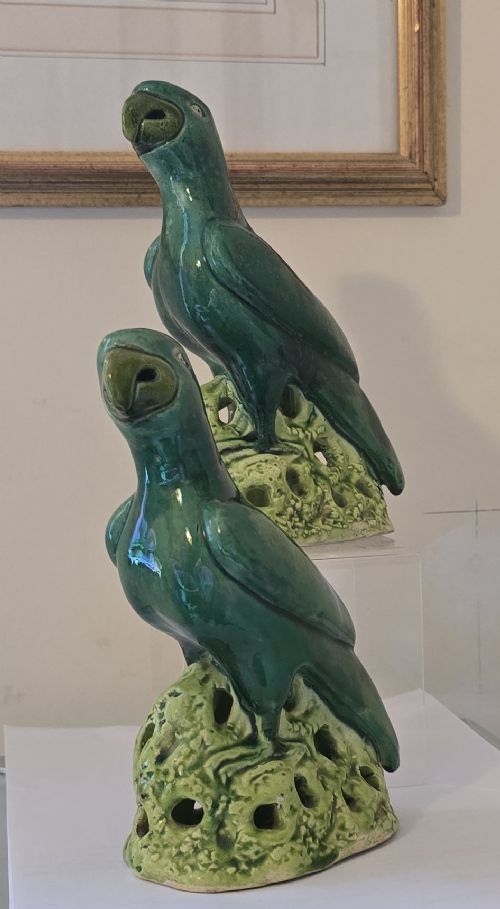
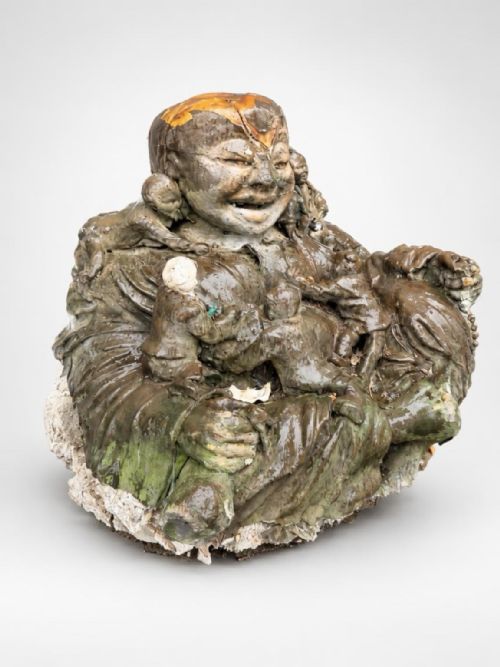
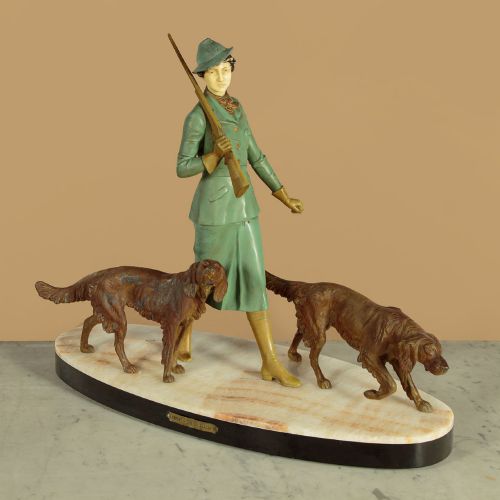
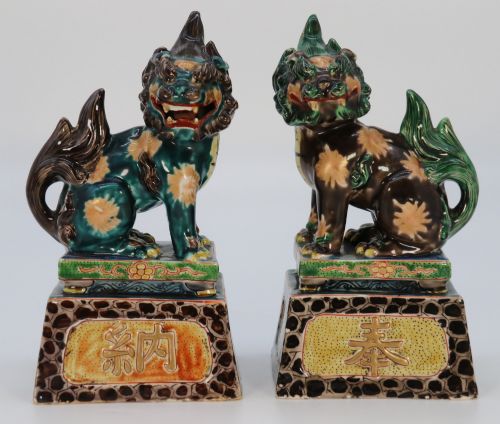
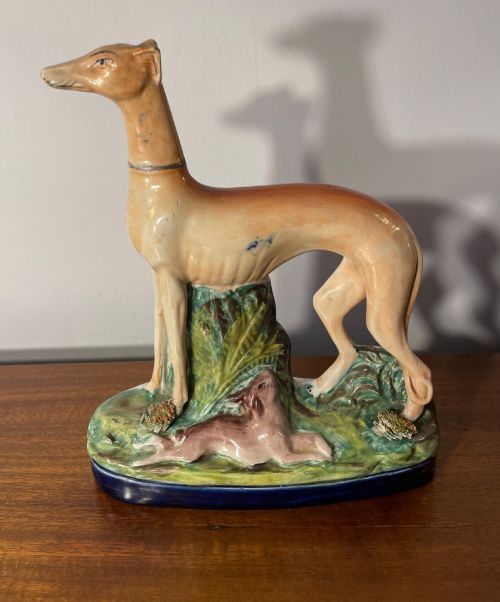
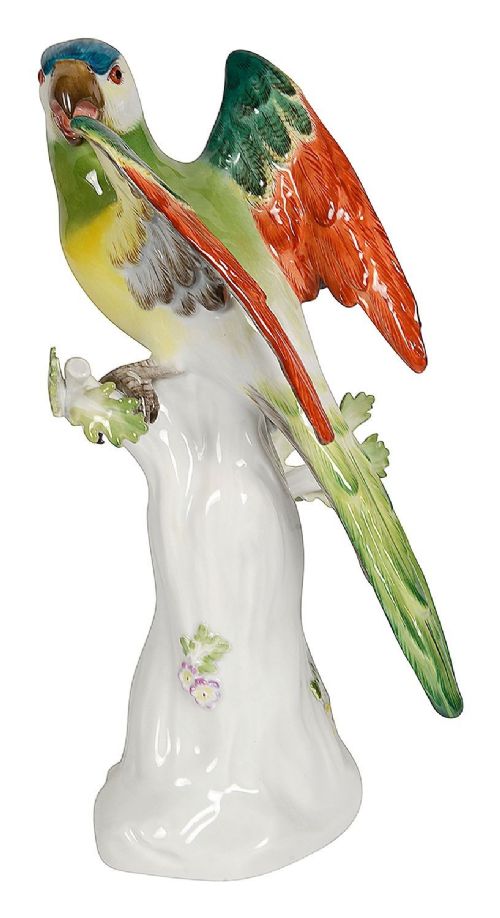
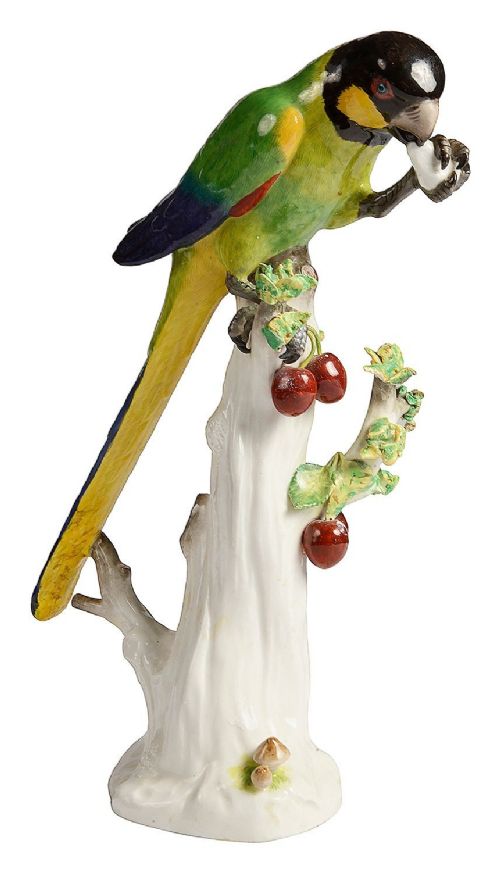
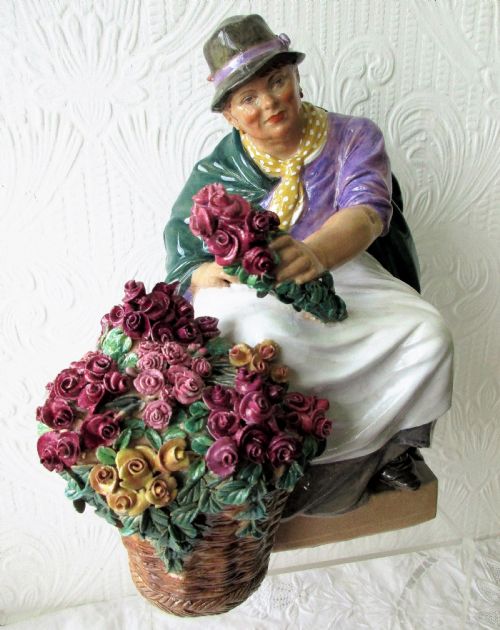
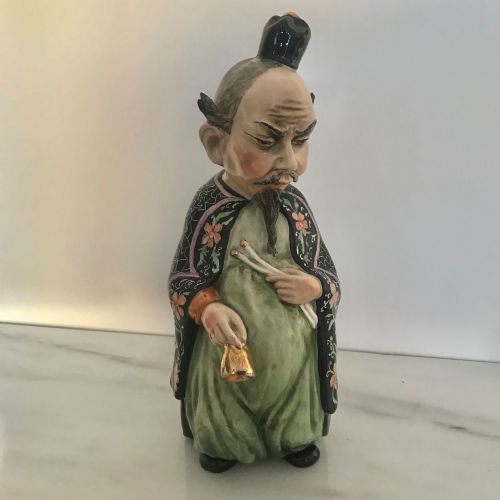
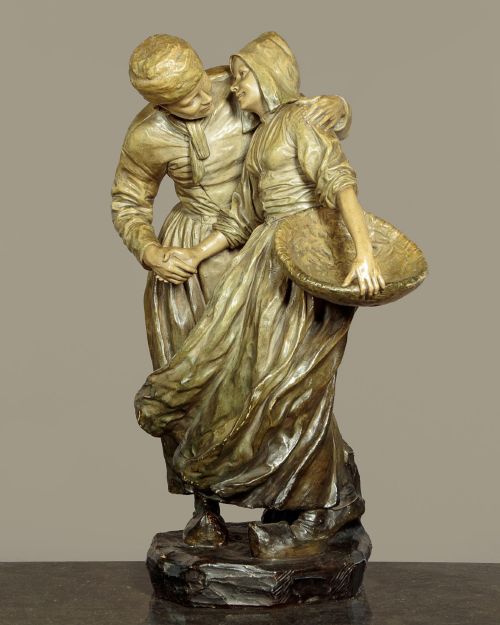
A green ceramic sculpture search encounters figurative and animal forms, including parrots, hounds, human figures, and Buddhist lions. These objects span periods from the eighteenth century through the Art Deco and Art Nouveau eras, originating from English, French, German, Bohemian, and Chinese workshops.
The most common items meeting this description on this page are European porcelain and earthenware figures, alongside Chinese pottery models and terracotta sculptures. Pieces range from large architectural pairs to delicate studio figurines and vessel ornaments.
How They Were Made
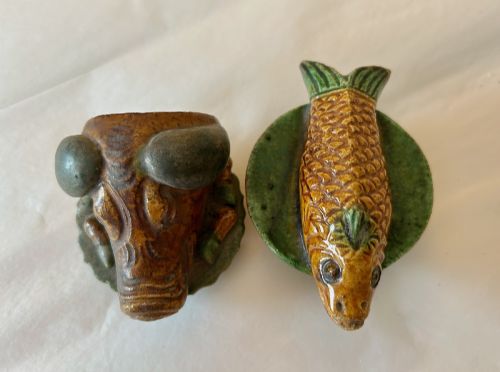
Makers utilise porcelain, earthenware, and terracotta as base bodies, shaping them by hand or moulding them in sections before firing. Surface decoration relies on lead glazes, enamel, and sancai glazes applied to achieve coloration.
Details such as gold leaf accents or glass eyes appear alongside moulded relief work, capturing the textures of animal feathers, robes, and natural settings.
Green Ceramic Sculpture Retail Price Guide 2026
Typical asking prices for green ceramic sculpture among the pieces listed under this phrase on Sellingantiques today, from the lower quarter to the upper quarter. They describe what is for sale here now, not the wider market.
Listings feature earthenware, porcelain, and terracotta materials decorated with lead and sancai glazes across eighteenth, nineteenth, and early twentieth-century periods.
What Varies in Quality
Quality rests on the precision of the modelling and the depth of the glaze application, distinguishing mass-produced figures from individually rendered pieces. Finer examples display crisp detail in facial expressions, plumage, and drapery.
The sophistication of the palette and the preservation of hand-enamelled surfaces further separate standard decorative objects from works originating in prominent European and Asian kilns.
Goldscheider·Charles Vyse·Enoch Wood factory·Ernst Wahliss·Triebner Ens And Co·James Hadley·Albert Carrier·Royal Dux·Meissen
The Green Ceramic Sculpture Glossary
- Terracotta
- A porous, unglazed or glazed baked red clay used extensively for sculptural figures and busts. It provides a warm, earthy base for subsequent patination or glaze.
- Sancai
- A traditional Chinese three-colour lead glaze technique, predominantly utilising amber, green, and cream white tones. This glaze style appears on various pottery figurines and animal models.
- Majolica
- A type of earthenware coated with an opaque tin-lead glaze and painted with metallic oxide colours. It produces vibrant, glossy surfaces found on nineteenth-century figurative pieces.
- Celadon
- A term for ceramics denoting a pale green glaze resembling jade. This finish is characteristic of specific Asian ceramic traditions represented in scholar's carvings and vessels.
- Biscuit
- Fired unglazed porcelain that possesses a matte, stone-like texture resembling marble. It allows sculptural details to remain sharp and unmasked by glossy coatings.
Green Ceramic Sculpture: Frequently Asked Questions
What periods do these sculptures cover?
The pieces span from the eighteenth century through the nineteenth century, extending into early twentieth-century Art Nouveau and Art Deco movements. Styles range from Georgian and Qing Dynasty to Victorian and Ming revival forms.
Specific eras are identifiable through stylistic markers such as classical drapery, floral motifs, or the geometric lines typical of the nineteen-thirties.
How were these ceramic figures displayed?
Many objects served as mantel ornaments, decorative table centerpieces, or scholar's desk items. Pairs of animals like lions and ducks were traditionally positioned symmetrically.
Larger terracotta and porcelain sculptures often stood on pedestals or dedicated brackets within nineteenth-century drawing rooms.
What materials make up these sculptures?
Makers employed porcelain, earthenware, terracotta, and stoneware as foundational bodies. Surfaces were then finished with lead glazes, enamel, or gold leaf.
Some pieces incorporate mixed media elements, such as glass eyes set into ceramic animal forms or bronze-finished terracotta surfaces.
How do I distinguish regional styles?
European works often reflect academic sculpture traditions, Art Nouveau curves, or factory marks from German and English potteries. Asian items draw on traditional iconography such as Buddhist lions and foo dogs.
Glazing techniques also differ, with Chinese ceramics utilising sancai and celadon traditions while European houses employed majolica and polychrome enamels.