




Green Ceramic Jug Art
Green ceramic jug art brings together glazed earthenware and stoneware vessels alongside paintings that capture them, shaped by Art Nouveau, Victorian and mid-century hands.
Green Ceramic Jug Art
When you search for green ceramic jug art, you encounter functional vessels and decorative display pieces spanning the late nineteenth century through to the middle of the twentieth. The selection covers earthenware and stoneware forms alongside related paintings, uniting functional pottery with still life studies.
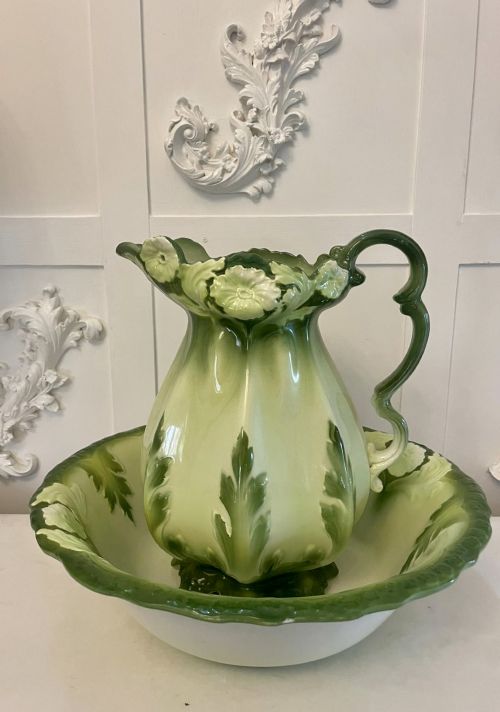
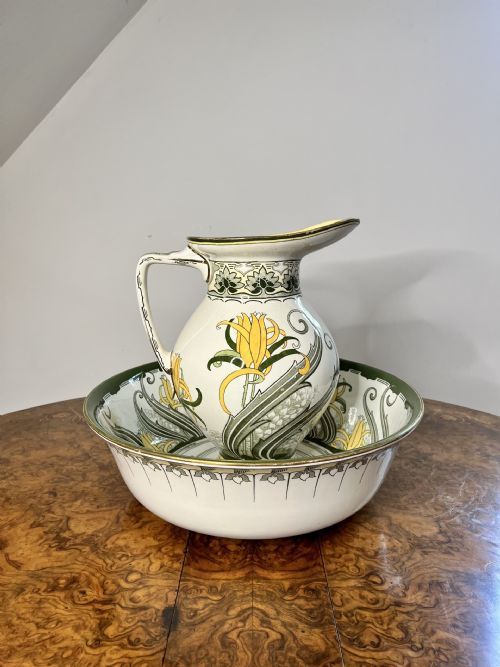
The most common vessels met on this page are large ewers and wash jug and bowl sets originating from Victorian and Art Nouveau workshops. These range from heavy salt-glazed pieces to delicate glazed studio pottery.
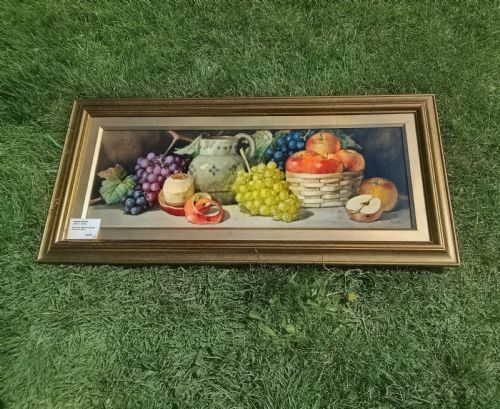
Alongside the ceramic pitchers sit framed watercolours and oil paintings depicting jugs and lemons in still life arrangements. These works provide visual context to the pottery traditions of the nineteenth and twentieth centuries.
Materials and construction methods
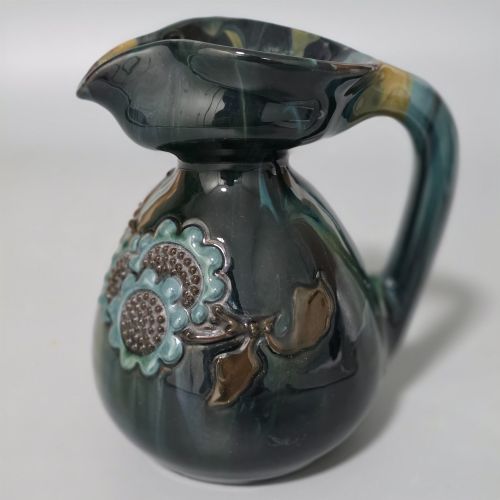
The pieces on this page rely primarily on earthenware and stoneware bodies shaped by hand or on the potter's wheel. Potters applied rich green glazes, sometimes incorporating slip trailing or incised patterns before firing.
Works on paper and canvas utilise watercolour or oil paint to render the texture and reflective surfaces of ceramic jugs. Gilded wood frames frequently enclose these paintings.
Green Ceramic Jug Art Retail Price Guide 2026
Typical asking prices for green ceramic jug art among the pieces listed under this phrase on Sellingantiques today, from the lower quarter to the upper quarter. They describe what is for sale here now, not the wider market.
Listings feature items from the 1880s, 1890s, Victorian era, Art Nouveau period, and 1930s.
Distinctions in quality and execution
Quality rests upon the depth and complexity of the glaze work, particularly in studio pottery where specialised firings produce dynamic surface variations. Crispness in the incised decoration and sculptural modelling distinguishes ambitious workshop output from standard production.
In painted works, the handling of light across the glazed ceramic surface and the precision of the composition separate accomplished artistic studies from decorative student pieces.
Sir Edmund Elton·Doulton Lambeth·Wedgwood By KEITH MURRAY·Arthur Dudley
The Green Ceramic Jug Art Glossary
- Earthenware
- Porous pottery fired at lower temperatures, requiring a vitreous glaze to hold liquids. It forms the body of many traditional decorative jugs.
- Stoneware
- Dense, impermeable ceramic fired at high temperatures until the clay body vitrifies. It is exceptionally durable and frequently salt-glazed.
- Ewer
- A large jug with a wide spout and sculpted handle, originally designed for pouring water. Many surviving examples served decorative rather than practical purposes.
- Slip
- Liquid clay applied to the surface of a vessel before firing for decoration or smoothing. Artists use it to build raised patterns and textures.
- Glaze
- A vitreous coating fused to ceramic pottery through firing to colour, decorate and seal the piece. Variations in its chemistry create mottled green finishes.
Green Ceramic Jug Art: Frequently Asked Questions
What is an antique ewer?
An ewer is a decorative pitcher featuring an elaborate handle and a curved spout, traditionally used for hand-washing at washstands.
Over time, these vessels transitioned into purely decorative display items, particularly during the Victorian and Art Nouveau periods.
How do I identify Art Nouveau ceramics?
Art Nouveau ceramics display flowing, organic lines inspired by natural forms, often incorporating stylized floral motifs and iridescent glazes.
Potters during this era embraced asymmetrical shapes and deep greens and blues that mirrored plant life.
Were wash jugs meant for daily use?
Victorian wash jugs formed part of large basin sets used in bedrooms before indoor plumbing became standard in every home.
They paired with matching bowls to hold water for washing, which explains their generous proportions.
What defines studio pottery?
Studio pottery describes unique or small-batch ceramic vessels created by individual artists who control every stage of production from throwing to glazing.
These pieces often bear maker marks or signatures on the base.