


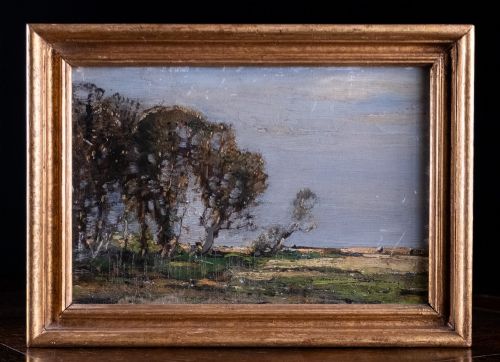
Green British Oil Painting
These green british oil painting works bring historic landscapes and portraits into your home through traditional media.
Green British Oil Painting
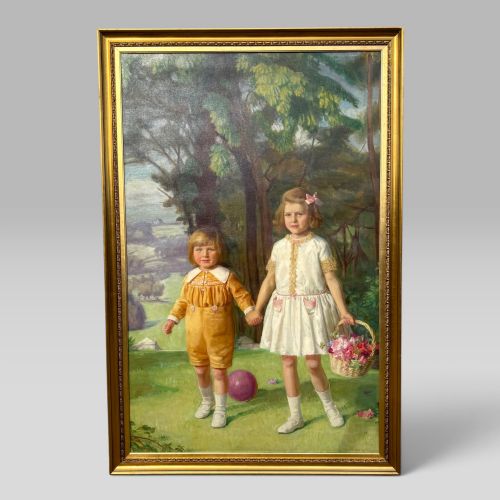
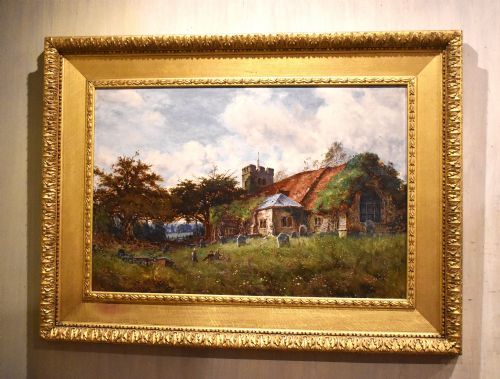
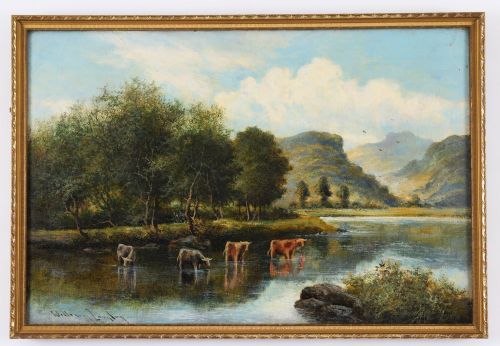
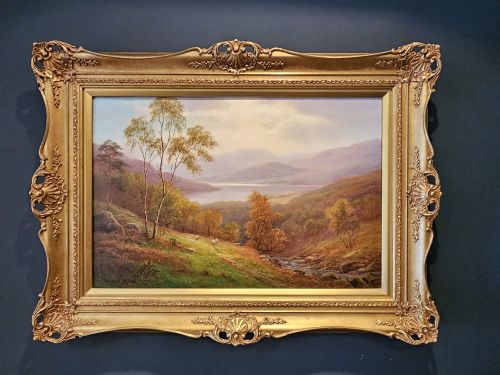
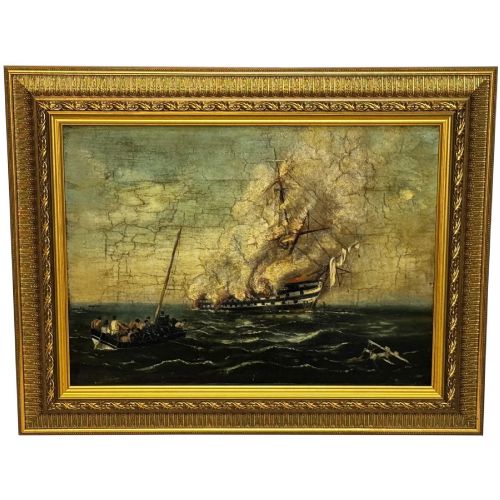
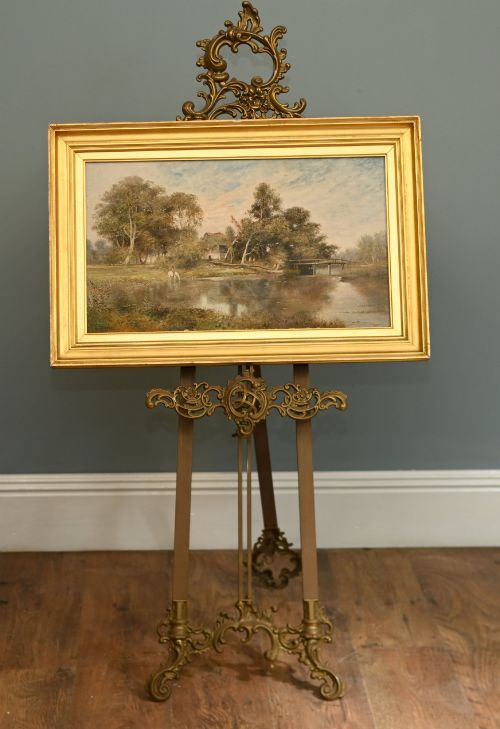
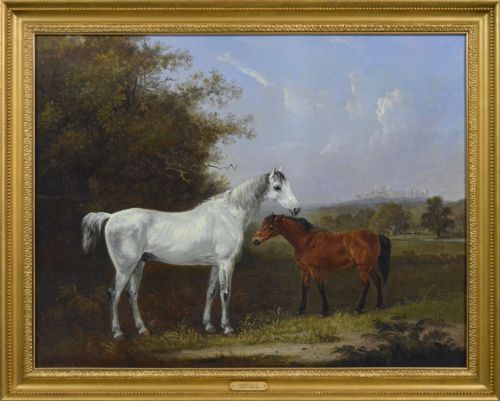
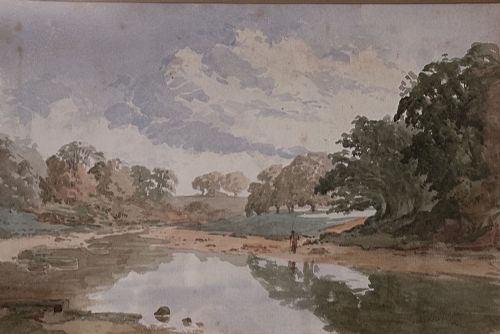
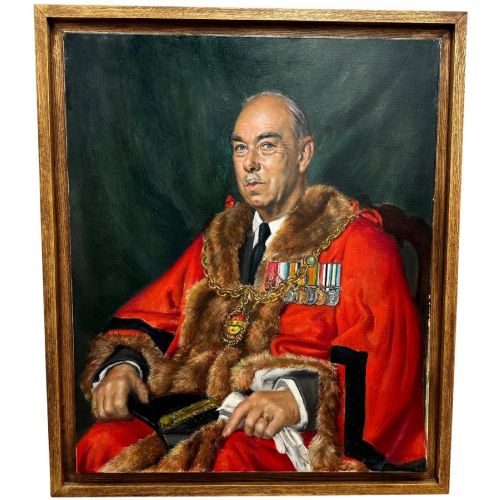
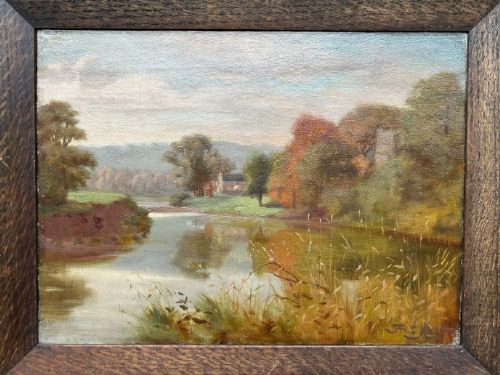
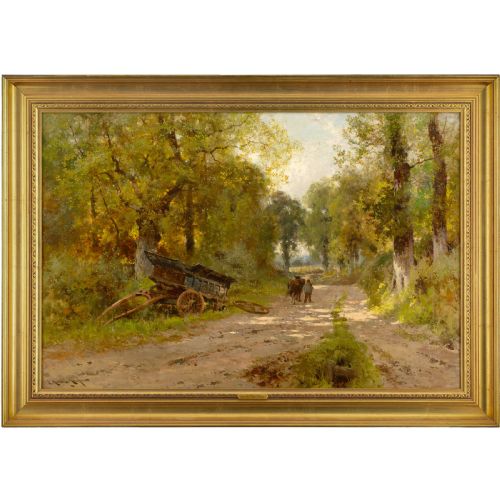
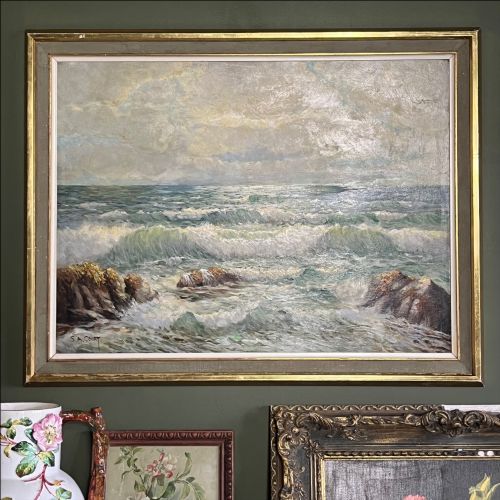
A green british oil painting captures landscapes, coastal views and portraits rendered in oil on canvas or wood panel by domestic artists. Buyers searching this phrase encounter works spanning from the nineteenth century through to the mid-twentieth century, with Victorian pastoral and Modern British examples appearing frequently.
The subjects range from tranquil woodland scenes and Highland landscapes to coastal Cornwall views and domestic portraits. Many pieces display distinct regional British settings, utilising natural earth tones and verdant palettes that reflect the countryside.
Materials and Techniques
Artists utilised oil paint applied to stretched canvas, wooden board or wood panels, sometimes employing impasto techniques to build surface texture. Gilt wooden frames frequently house these paintings, completing the traditional presentation.
Pigments were worked en plein air or within the studio, capturing light and atmosphere through layered brushwork. The combination of oil media and durable supports has allowed these works to endure across centuries.
One historical canvas captures sheep grazing happily among wild garlic.
Distinctions in Quality
The distinction between standard works and exceptional pieces rests upon the handling of light, brushwork confidence and compositional depth. Masterful control over tone and atmosphere separates accomplished academic or named works from simpler decorative student pieces.
Condition of the original paint layer and canvas tension also influence the character of a piece. Original gilt frames that complement the painting add historical integrity to the work.
Richard Sebastian Bond·Bernard Hailstone·Tom Campbell·Frederick Marriott·John Horace Hooper·Sidney A Court·Kershaw Schofield·Herbert Royle·Robert Morson Hughes·Thomas W Lascelles·David Bates·Benjamin Barker of Bath·Walter Heath Williams·Lucy Pratt·Raymond Booth·Francis Plummer·Alfred Wolmark·Eric Brown·Richard Redgrave·Ernest Higgins Rigg·Peter Newcombe·Sir Alfred East·Donald McIntyre·Cecil Allan Mould·Sir Peter Markham Scott
The Green British Oil Painting Glossary
- Oil paint
- A slow-drying medium consisting of pigments suspended in a drying oil, typically linseed oil. This medium allows for rich blending and textured impasto applications.
- Canvas
- A heavy woven fabric stretched across a wooden frame to serve as a support for oil paintings. It provides a flexible yet durable surface for brushwork.
- Impasto
- A technique where paint is laid onto a surface in thick layers that stand out from the canvas. This method creates tangible texture and catches physical light.
- En plein air
- The act of painting outdoors to capture direct natural light and atmospheric conditions. This approach became prominent among nineteenth-century landscape painters.
- British Impressionism
- An art movement reflecting French impressionist techniques adapted by British painters focusing on everyday scenes and natural light. It prioritises loose brushwork over rigid academic finish.
Green British Oil Painting: Frequently Asked Questions
How do I hang an oil painting?
Use sturdy wall anchors and picture wire rated well above the weight of the framed canvas. Hang the piece at eye level away from direct sunlight and heat sources to protect the oil pigments.
Ensure the wall structure supports the gilt frame securely. Period hardware should be inspected to guarantee safe long-term display.
How do I identify the period?
Examine the stretcher bars, canvas texture, framing style and artist signatures to establish a chronological baseline. Victorian works often feature heavier gilt framing and romantic pastoral subjects.
Twentieth-century pieces frequently display modern British or impasto techniques. Researching recorded exhibition dates for specific artists helps narrow down the execution year.
Are wooden panel paintings fragile?
Wooden boards and panels require stable indoor humidity to prevent warping or splitting of the timber support. Keep them away from radiators, fireplaces and damp exterior walls.
Panel paintings offer a rigid surface that resists punctures better than stretched canvas. However, sudden temperature shifts can stress both the wood and the paint layer.