


Green Boat Oil Painting
A green boat oil painting brings quiet rivers, bustling harbours and sunlit shores onto the wall with the rich depth of oil colour.
Green Boat Oil Painting
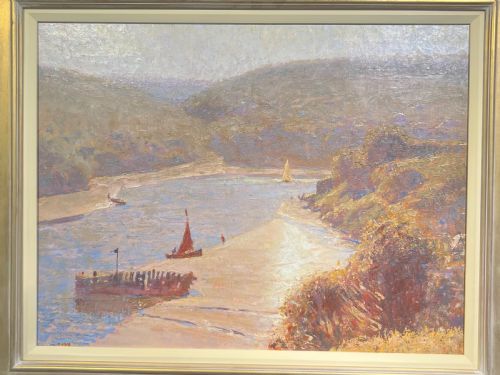
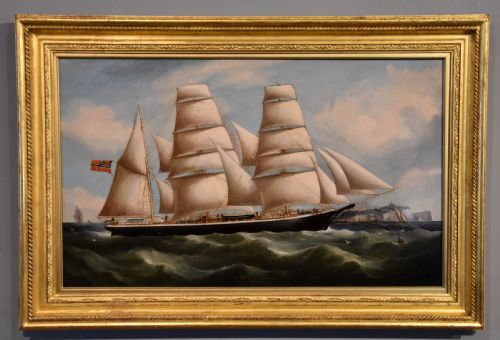
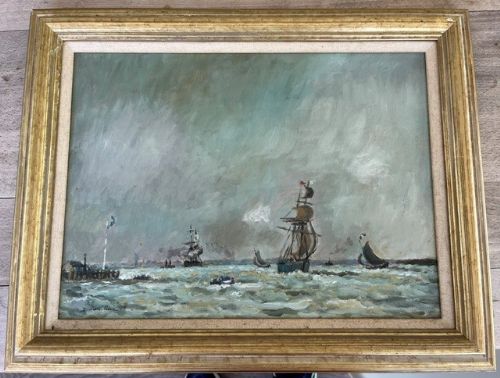
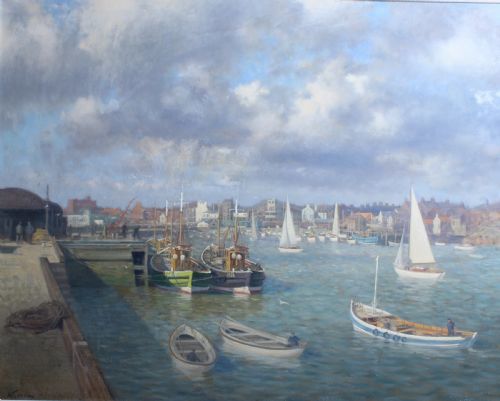
A green boat oil painting captures maritime and inland waterways across the nineteenth and twentieth centuries, spanning Victorian marine scenes to mid-century French and British impressions. You will frequently encounter works on canvas or board depicting harbour vessels, river craft and coastal scenes.
The selections here range from nineteenth-century British and Dutch schooling through to early twentieth-century impressionism and mid-century expressionist views. These works document working vessels, tranquil rivers and coastal anchorages through varied regional lenses.
Subjects stretch from specific named ships and Cornish harbours to Parisian riverbanks and quiet French canals. Each piece places water and vessel in focus, framed by the changing palettes of the decades from the Victorian era to the mid-twentieth century.
Materials and methods
Painters built these works using oil paint applied to prepared canvas or wooden board, sometimes incorporating gilt elements in the framing. The medium allows rich layering of pigment, capturing the changing light on water and the texture of painted hulls.
Surfaces vary between traditional stretched canvas and sturdy board supports, bearing the brushwork of French impressionists, British marine painters and continental expressionists alike. The physical substance of the oil paint holds the gesture of the artist's hand across every decade represented.
Listings span the nineteenth century through the 1960s, featuring oil on canvas and oil on board.
What defines a finer piece
Quality rests in the handling of light, atmospheric depth and the confident articulation of water and vessel form. A stronger painting reveals deliberate brushwork that establishes movement in the sea or river without resorting to rigid formulas.
Provenance and legible signatures by documented hands elevate specific works, alongside the preservation of the original canvas and harmonious framing. The cohesion of the palette and the fidelity of the maritime or landscape context separate standard decorative works from accomplished fine art.
Cecil Allan Mould·Richard B Spencer·Walter Goodin·Gabriel Dauchot·Frederick Waters Watts·William Lambert Bell·J De Breanski·Walter Meegan
The Green Boat Oil Painting Glossary
- Oil on canvas
- Pigment suspended in a drying oil applied to a woven fabric support stretched across a wooden frame. This combination provides a resilient and responsive surface for painterly depth.
- Oil on board
- Pigment applied directly to a rigid wooden or composite panel rather than stretched fabric. Boards often appear in smaller plein-air studies and mid-century works.
- Impressionism
- A nineteenth-century movement prioritising the accurate depiction of light and its shifting qualities over precise academic detail. Artists often used rapid, visible brushstrokes.
- Marine painting
- Artwork depicting ships, harbours, coastal views and the sea. This genre encompasses both calm inland waterways and dramatic naval engagements.
- Gilt
- A thin layer of gold leaf or gold-coloured pigment applied to frames or surfaces. It adds a warm metallic border that complements the tones within the painting.
Green Boat Oil Painting: Frequently Asked Questions
How do I care for an oil painting?
Keep the painting away from direct sunlight, extreme temperature shifts and damp environments to protect the canvas and pigment. Dust the surface very gently with a dry, soft brush when necessary.
Avoid using water, chemical cleaners or abrasive cloths on the painted surface or gilt frame. Professional conservation is recommended if the canvas requires cleaning or tension adjustments.
Are these paintings ready to hang?
Most pieces arrive framed and fitted with hanging wire, allowing immediate placement on a wall. Check the specific listing details to confirm whether a frame is included with the artwork.
If the painting is unframed, consult a professional framer to select a setting that protects the edges of the canvas or board. Proper framing prevents warping and shields the support from physical knocks.
How can I tell the period of a painting?
Examine the stretcher bars, canvas weave, backing materials and style of framing for clues regarding the era of production. Signatures, inscriptions on the reverse and artist biographies provide firmer dating evidence.
Stylistic elements such as the brushwork typical of mid-century expressionism or Victorian marine art also help narrow down the decade. Comparing the subject matter to known historical vessels or locations adds further chronological context.
What is the difference between canvas and board?
Canvas consists of woven fabric stretched over a wooden frame, offering slight give and a traditional textured surface. Board provides a rigid, solid panel that resists puncturing and often appears in smaller studies.
Both supports hold oil paint effectively, but boards tend to be more stable against environmental humidity changes. Canvas works, however, can be re-tensioned by professionals if the fabric loosens over time.