

Green Accent Chair
A green accent chair brings enduring colour and firm support to a room, drawing the eye through rich velvet, mahogany, and giltwood.
Green Accent Chair
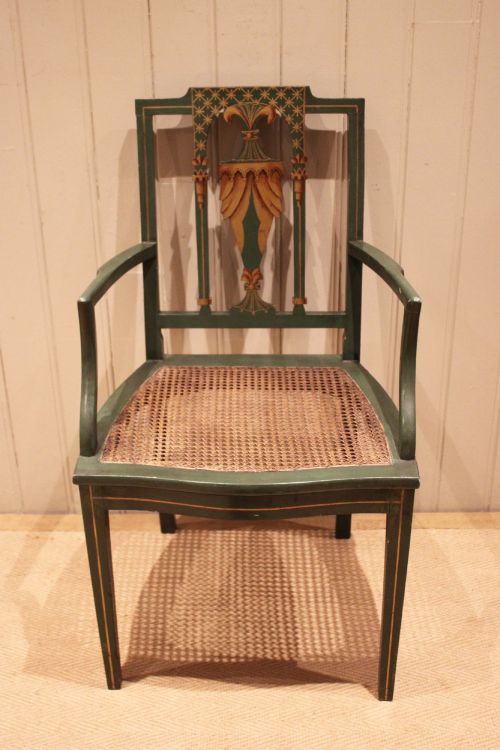
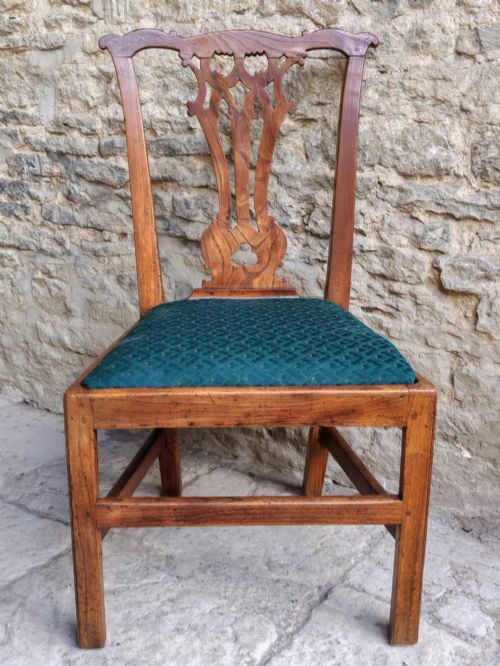
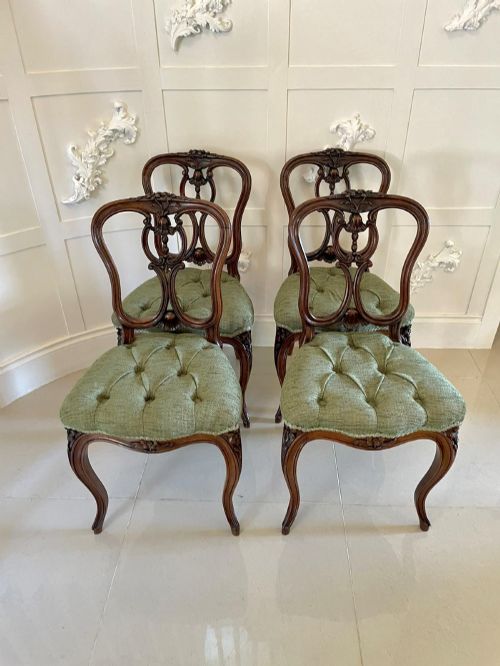
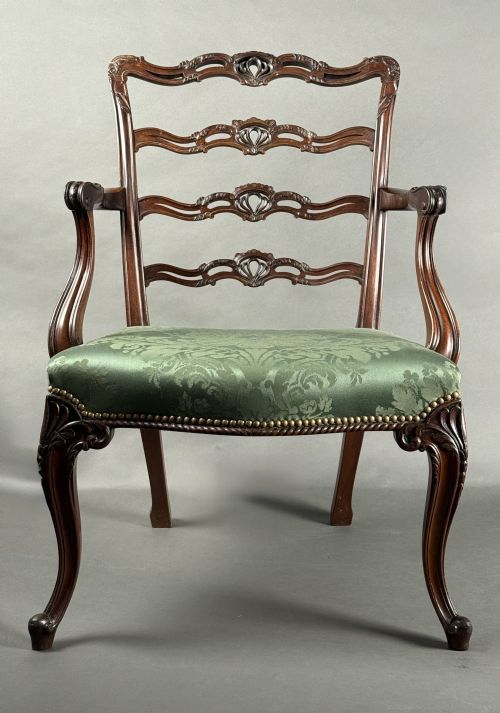
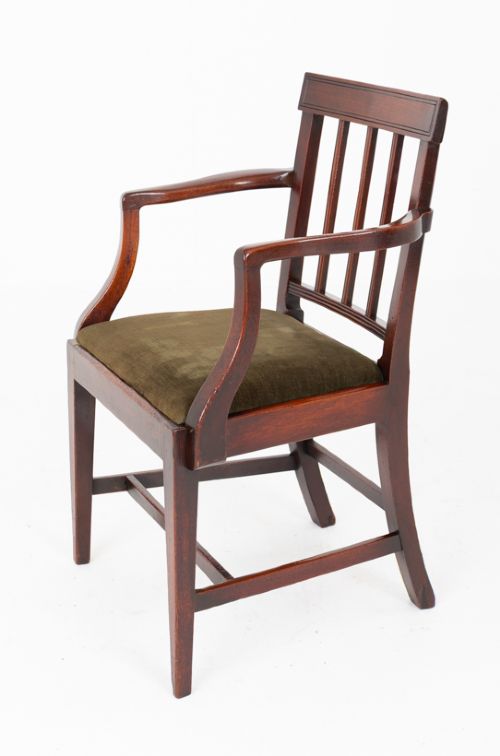
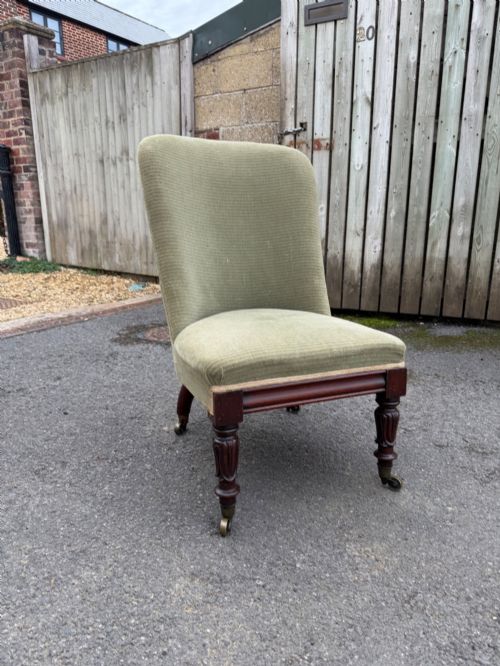
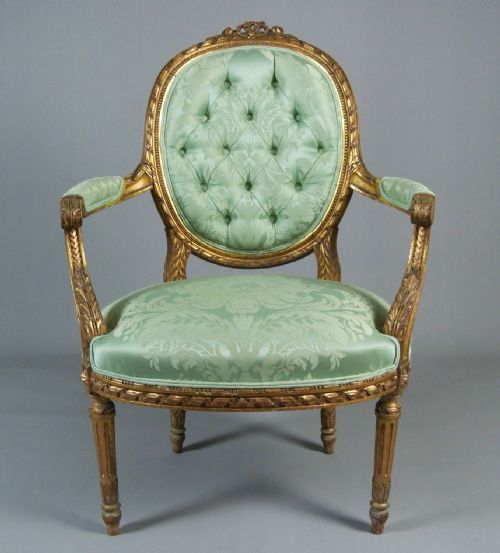
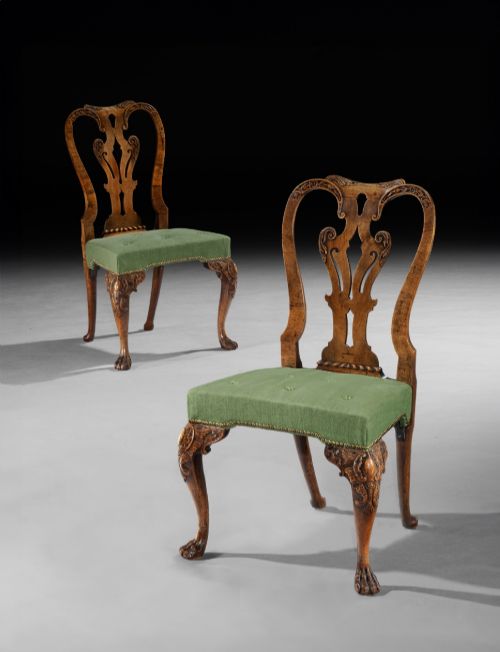
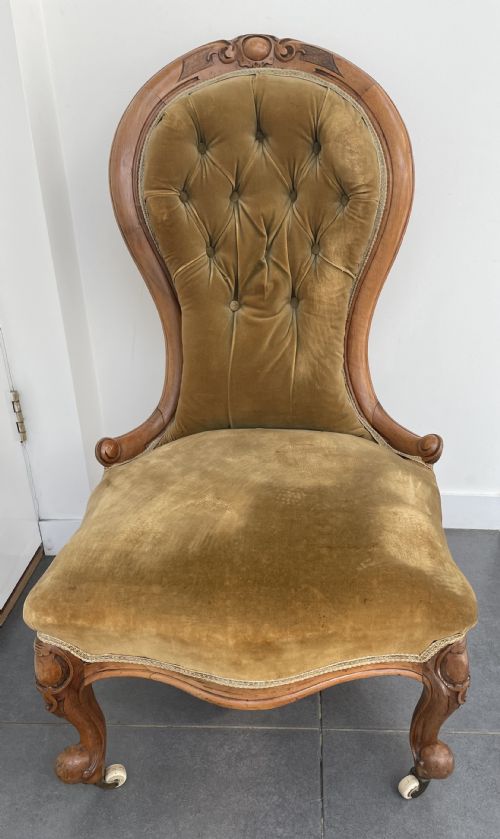
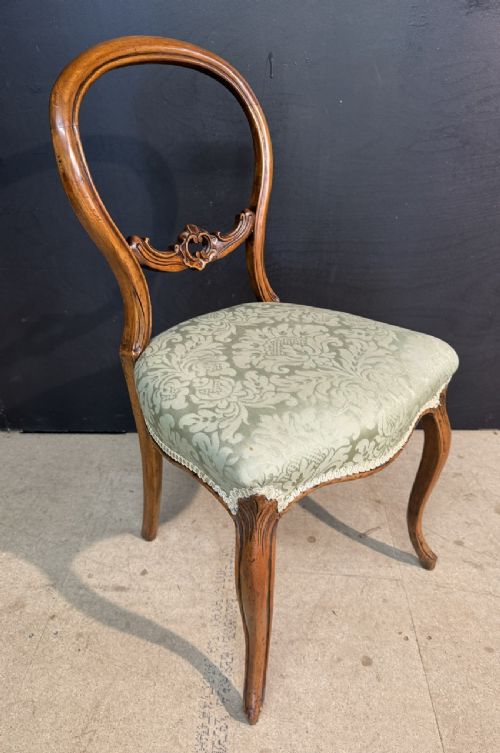
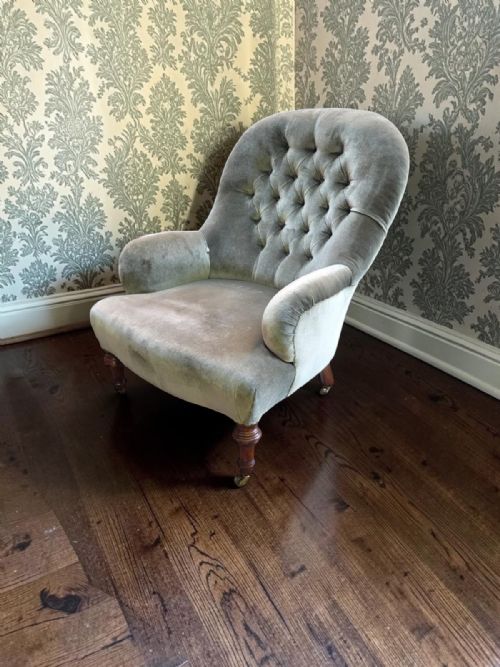
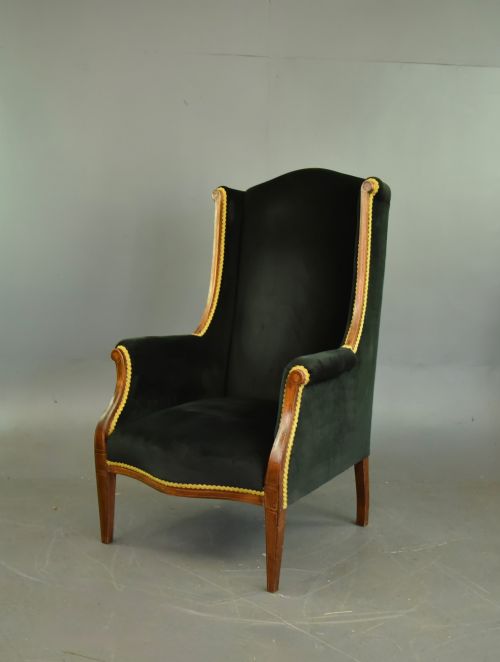
A green accent chair spans several centuries of seating design, appearing in forms from eighteenth-century George III armchairs to Victorian nursing chairs and Edwardian elbow chairs. Buyers searching for a green accent chair encounter diverse frames including walnut, mahogany, rosewood, and giltwood.
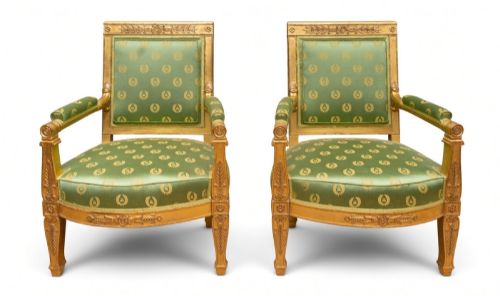
The selection includes specific regional and stylistic expressions, such as Scottish George III mahogany armchairs, French Empire style fauteuils, and Gothic Revival oak hall chairs. Side chairs, salon chairs, and occasional chairs provide varied profiles suited to distinct interior spaces.
Many examples utilise period textiles, including green velvet and needlepoint, while others present recent upholstery on bentwood or mahogany frames. Formats range from low-slung bedroom chairs to generously-sized cabriole leg armchairs.
How they were made
Carpenters and cabinet-makers shaped solid woods like mahogany, walnut, oak, elm, and rosewood using traditional joinery, incorporating carved details, barley twist turnings, and bobbin structures. Giltwood frames required meticulous carving and gilding over gessoed timber.
Upholstery techniques involved horsehair and textile stuffing secured with webbing and tacks, later complemented by button-backed designs and needlepoint covers. Wood surfaces received polished finishes or paint, reflecting the stylistic preferences of Georgian, Victorian, and Edwardian makers.
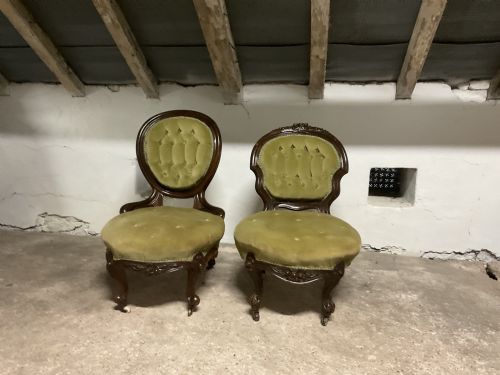
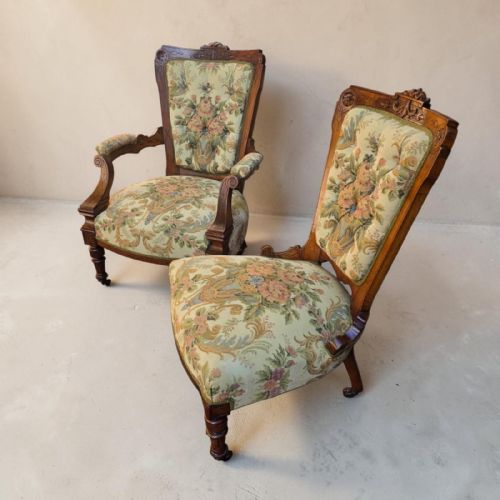
Some nineteenth-century Victorian salon chairs were manufactured in matching pairs marketed as his and hers seating.
What varies in quality
The refinement of carved ornament distinguishes standard production from finer commissions, seen in the depth of foliage, cabriole legs, and scrollwork. Timber selection also dictates grade, with dense, well-figured mahogany and richly grained walnut commanding greater regard.
Structural integrity depends on original joinery and the survival of secondary timbers beneath the upholstery. The execution of specialised details, such as giltwood finishing or intricate cane seating, separates basic utility items from masterworks.
Jacob-Desmalter·Thomas Chippendale·Hampton and Sons·Gillows·Heals
The Green Accent Chair Glossary
- Fauteuil
- An open-armed French armchair with upholstered back and armpads, typically displaying exposed carved wood framing. These pieces originated in seventeenth-century France and remained popular through subsequent revival periods.
- Bergère
- An enclosed armchair with upholstered back and sides, often featuring cane panels beneath loose seat cushions. This form provides substantial comfort while maintaining a refined profile.
- Cabriole leg
- A furniture leg that curves outward in a convex arc and tapers inward in a concave arc, ending in a pad or claw foot. This design derived from ancient Chinese forms and gained prominence during the eighteenth century.
- Giltwood
- Timber coated with a thin layer of gold leaf over a prepared ground such as gesso. It appears frequently on formal salon seating and display pieces from the eighteenth and nineteenth centuries.
- Needlepoint
- A type of counted thread embroidery stitched on canvas, frequently utilised for historical seat covers and chair backs. It provides durable texture and intricate polychrome patterns.
Green Accent Chair: Frequently Asked Questions
How do I date an antique green accent chair?
Dating relies upon examining the timber species, joinery methods, and stylistic cues present in the frame. Secondary woods and tool marks often reveal the period of manufacture.
Upholstery fabrics frequently represent later restorations rather than the original date of the chair frame. Comparing carved details to documented period pattern books helps confirm the era.
Were these chairs used in dining rooms?
Many examples on this page served as dining chairs, side chairs, or hall chairs. These forms offered upright support around formal tables and in grand hallways.
Armchairs and salon chairs served different domestic functions, providing seating for parlours, bedrooms, and drawing rooms rather than dining spaces.
How should I care for antique velvet upholstery?
Velvet textiles require gentle brushing with the grain to maintain the pile and prevent flattening. Professional cleaning is recommended for antique fabrics to avoid water damage.
Protecting the textile from direct sunlight preserves the green hue and prevents the fibres from weakening over time.
What is the difference between a nursing chair and a salon chair?
Nursing chairs feature lower seats designed for comfortable infant care and domestic tasks during the Victorian period. They often incorporate button backs and rosewood or walnut frames.
Salon chairs served formal entertaining spaces, prioritizing decorative appearance and carved woodwork over low-slung seating positions.