



Greek Mythology Statue
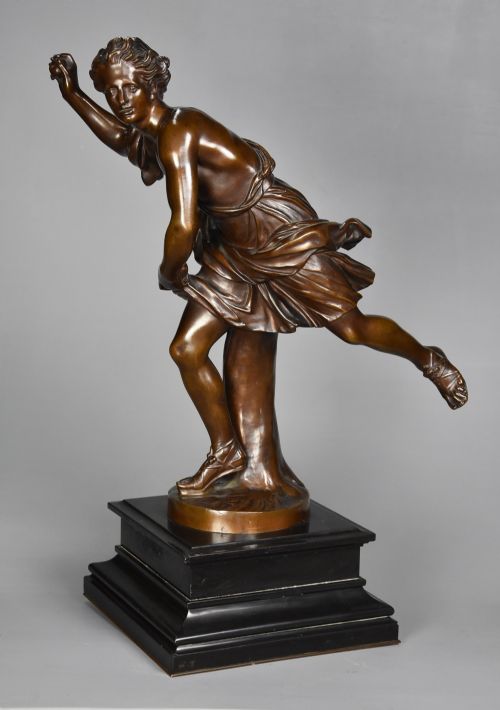
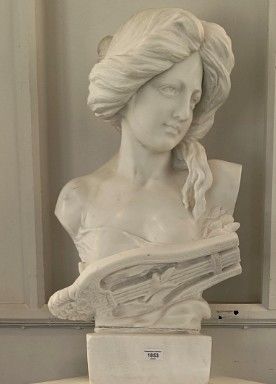
A greek mythology statue brings classical antiquity directly into a room, offering bronze figures and marble busts that collectors prize.
Greek Mythology Statue
When searching for a greek mythology statue, a buyer encounters sculptural works that interpret classical figures from antiquity. These pieces draw heavily on subjects from ancient myth, including deities, heroes, and muses.
The selections on this page centre primarily upon nineteenth-century interpretations. Visitors frequently meet Grand Tour bronzes, Neoclassical busts, and classical revival sculptures that reflect nineteenth-century fascination with classical antiquity.
Alongside free-standing bronze figures of deities like Apollo, Zeus, and Pan, the inventory includes framed prints depicting classical subjects. These varied forms provide distinct ways to introduce mythological themes into an interior.
How they were made
The physical presence of a greek mythology statue relies heavily on cast bronze, often finished with patination such as verdigris or paired with ormolu mounts. Makers also utilised marble, ebonised wood, and gilded wood to mount and frame these sculptural works.
Techniques range from finely chased metal foundry work to traditional paper engraving for the framed prints. Castings frequently reproduce renowned classical or antique originals, capturing detailed drapery, anatomy, and attributes.
Hypnos, the ancient Greek god of sleep, arrives in bronze form to watch over the household with closed eyes and quiet dignity.
What varies in quality
The richness and depth of the patination heavily influence the character of the object, distinguishing master foundry work from routine commercial production. Similarly, the quality of associated materials, such as finely carved marble plinths or gilt ormolu details, elevates the piece.
Barbedienne·Franz Iffland
The Greek Mythology Statue Glossary
- Grand Tour
- A traditional travel itinerary undertaken by European nobility through Italy and Greece, collecting classical antiquities and bronze souvenirs. These nineteenth-century bronzes served as tangible memories of classical art.
- Neoclassical
- A style originating in the eighteenth and nineteenth centuries that revived the aesthetic and cultural values of ancient Greece and Rome. It prioritises restraint, classical proportion, and mythological subjects.
- Ormolu
- Gilded bronze, where finely ground gold is applied to a bronze base using mercury amalgamation or modern electroplating. This technique imparts a rich, golden decorative surface to mounts and small busts.
- Patina
- The surface appearance or chemical coloration developed on bronze over time or applied deliberately by a foundry. Verdigris patination, for instance, mimics the aged green surface of ancient buried bronzes.
Greek Mythology Statue: Frequently Asked Questions
What is a Grand Tour bronze?
A Grand Tour bronze is a nineteenth-century souvenir cast in Italy or France, reproducing classical sculptures discovered in museums and excavations.
Travellers purchased these smaller figures to display their classical learning and appreciation of ancient art upon returning home.
Who are the common figures depicted?
Commonly represented figures include Olympian deities like Apollo, Zeus, Athena, and Hermes, alongside heroes and mythological beings such as Perseus and Pan.
These subjects allowed nineteenth-century makers to explore dramatic human forms and classical storytelling.
How should bronze statues be displayed?
These statues suit placement on desks, bookcases, or dedicated pedestals where their material and form can be viewed closely.
Positioning them away from direct heat sources helps protect any underlying wood bases or delicate patinated surfaces.
How do you date nineteenth-century bronzes?
Dating relies on foundry marks, the character of the patination, casting techniques, and stylistic clues typical of the nineteenth century.
Signatures or stamps linking a piece to known foundries or sculptors further assist in establishing a reliable period of manufacture.