
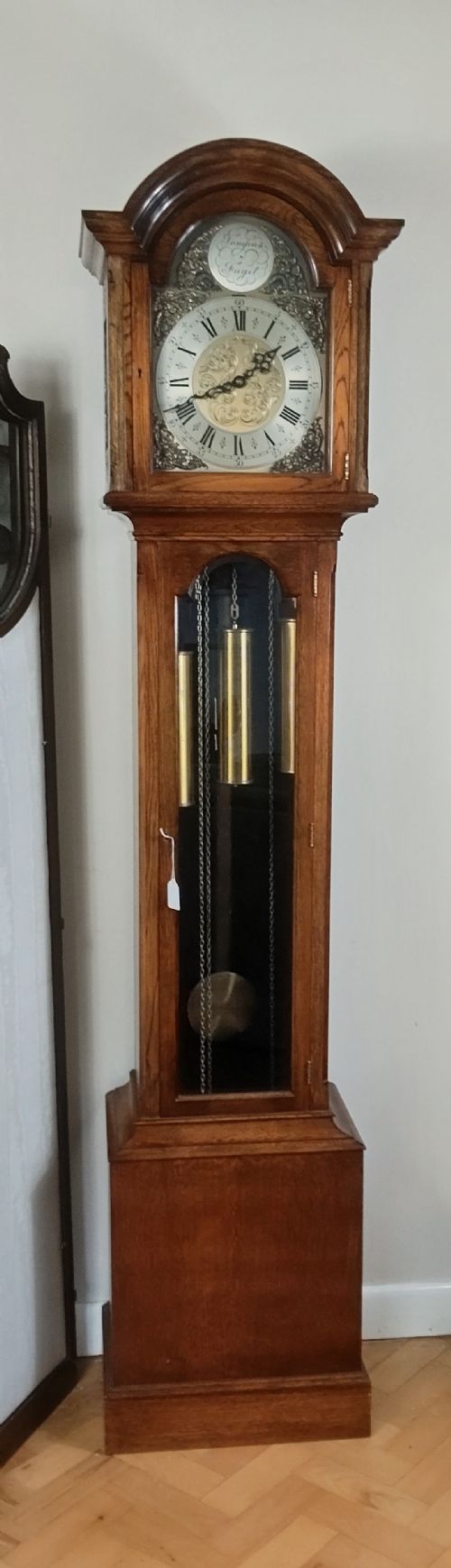


Grandfather Clock Weights
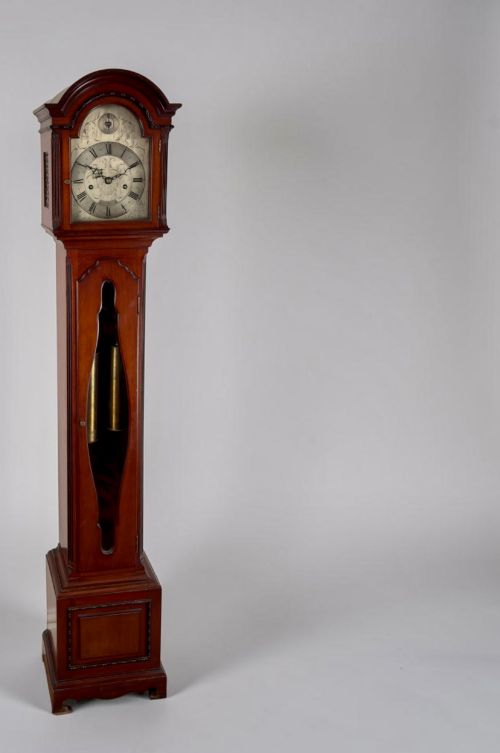
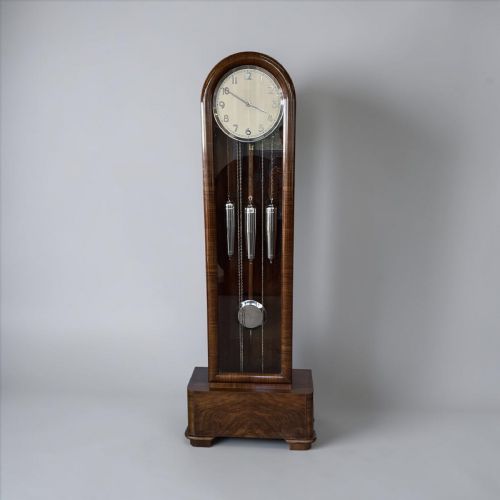
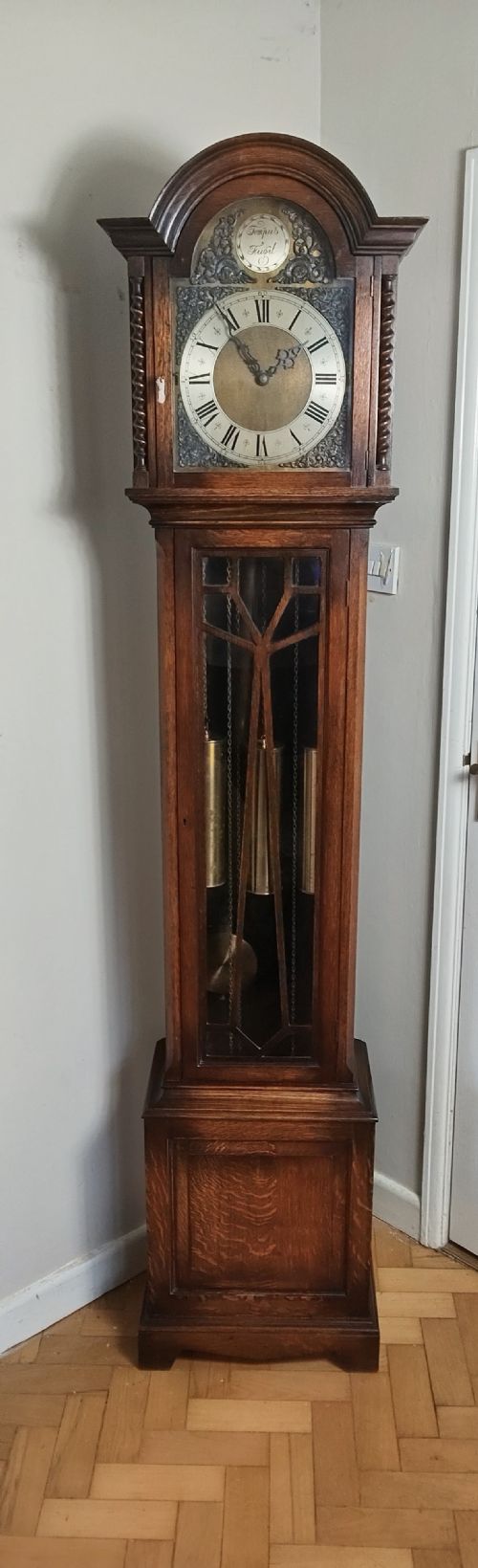
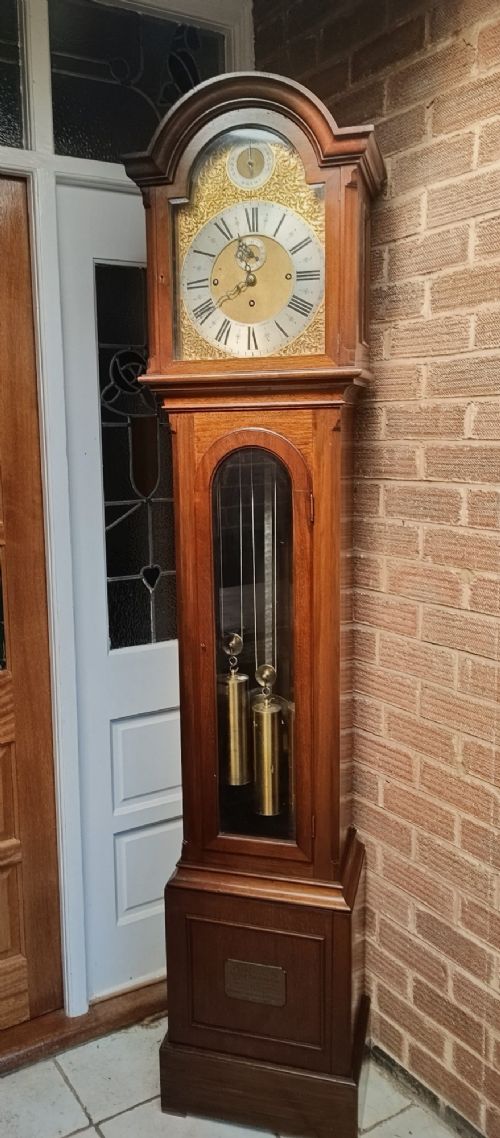
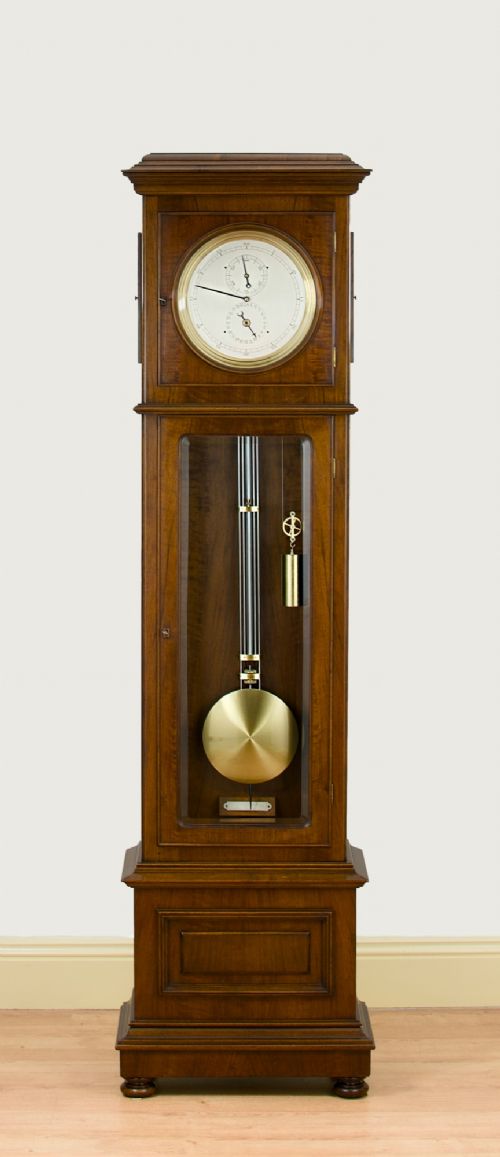
Grandfather clock weights drive the movement and keep time, appearing in brass-cased pairs or sets for triple-weight musical clocks.
Grandfather Clock Weights
Grandfather clock weights are essential heavy cylinders suspended inside longcase clocks to power the gear train and pendulum. When you search for grandfather clock weights, you encounter functional brass casings from periods spanning the eighteenth century through the twentieth century. These objects maintain the tension required for standard timekeeping and striking or chiming mechanisms.
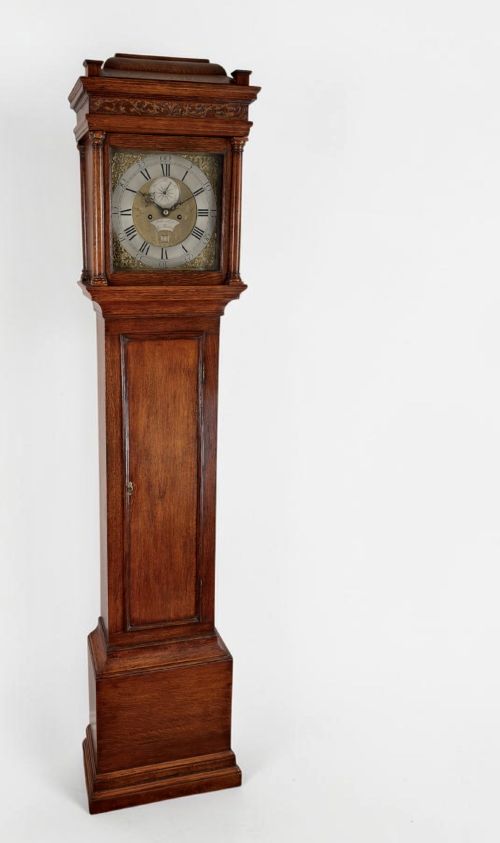
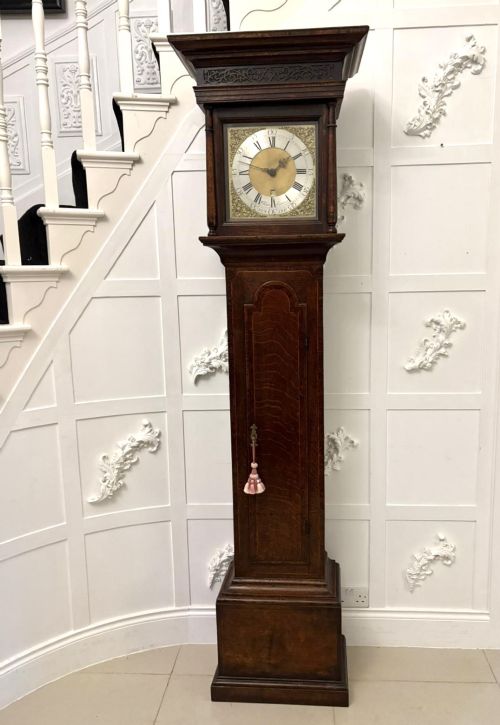
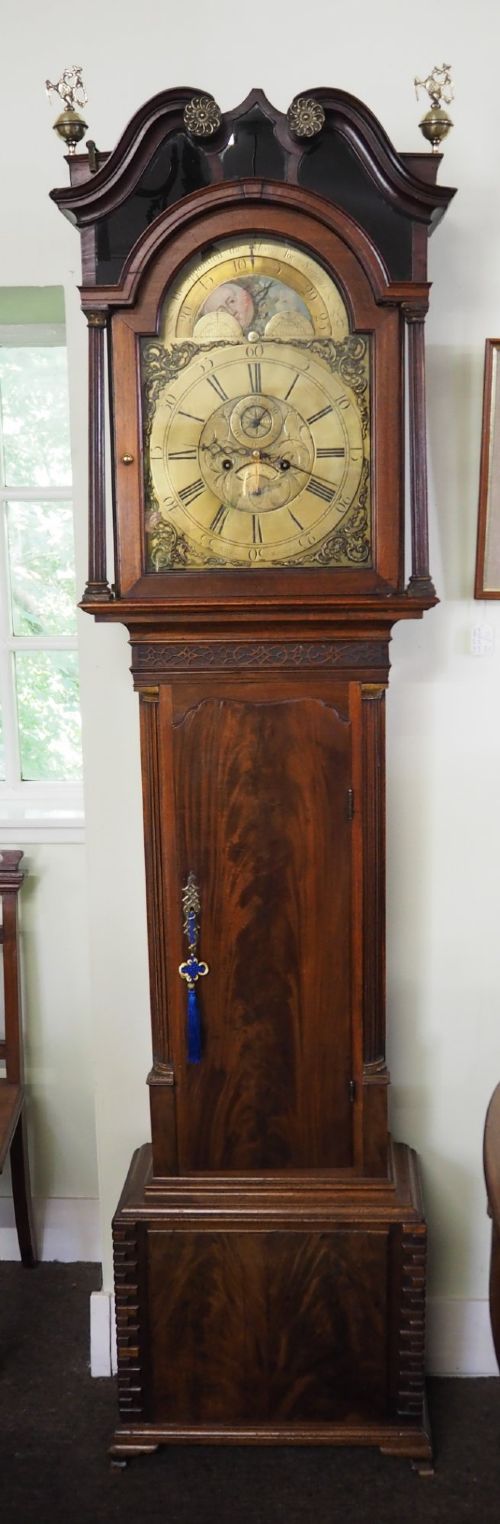
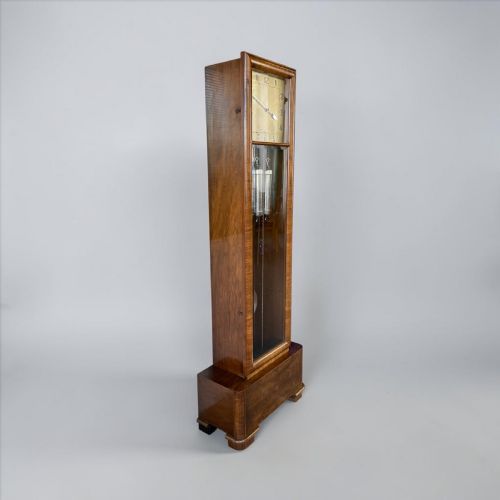
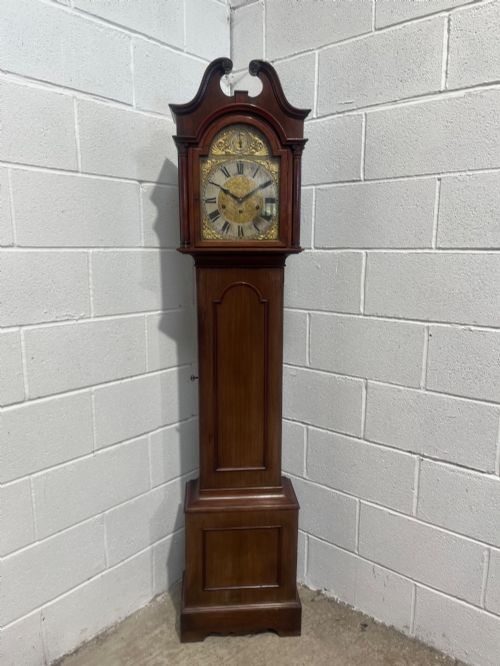
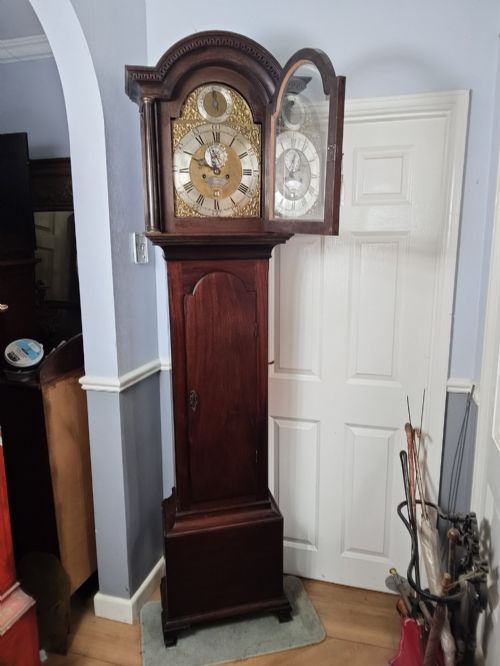
The versions most common on this page originate alongside longcase and grandmother clocks in materials like brass and iron. They match movements housed in oak, mahogany, walnut, and lacquered cases from Georgian, Victorian, Edwardian, and Art Deco eras. Collectors and restorers seek them out to complete historic timepieces.
Makers and regional clockmakers historically paired specific weight masses with eight-day or thirty-hour movements. A buyer will find that these weights vary in weight and suspension fitting depending on whether the clock strikes hours, chimes tunes, or runs as a precision regulator.
How they were made
Clock weights are constructed predominantly from cast iron or lead encased in sheet brass, utilising durable metals to achieve the necessary density within a compact size. Brass casings frequently feature soldered seams and suspension loops integrated at the top for attachment to gut lines or wire cables.
Eighteenth-century and nineteenth-century examples rely on traditional foundry techniques, resulting in robust cylindrical bodies designed to descend smoothly within narrow wooden clock trunks. The combination of heavy internal core materials and protective outer metal shells ensures longevity and steady gravitational pull.
Weights that have spent centuries hidden inside dark wooden trunks still bear the thumbprints of Georgian clockmakers who cast them.
What varies in quality
Quality in these objects lies in the integrity of the metal casing and the originality of the suspension loop. Finely made brass-cased examples display smooth soldered joints and clean cylindrical form without heavy denting or structural compromise.
The distinction between ordinary utility weights and superior examples rests on period-correct manufacture and untouched surfaces that match the age of the associated longcase clock movement.
Gillett & Johnston of Croydon·Lee of Great Marlow·Elliott·Lenzkirch·Enfield·William Wady of Twickenham·Francis Perigal of Bond Street·Lister & Sons·Thomas De Gruchy Jersey·Wm Stanford·Benjamin Rogers·Rob Parry Pwllheli·David Craig Ford Path head·James Wood
The Grandfather Clock Weights Glossary
- Longcase clock
- A tall pendulum clock enclosed in a wooden case, commonly known as a grandfather clock. These housing units protect the delicate movement and hanging weights.
- Regulator clock
- A precision pendulum clock designed to keep exceptionally accurate time. These often utilise specialised weights and fine gear trains.
- Movement
- The internal mechanism of a clock comprising gears, escapement, and dial. This assembly is powered by suspended weights.
- Chiming mechanism
- An auxiliary gear train that plays tunes or strikes bells at set intervals. Triple weight clocks typically dedicate separate weights to timekeeping, striking, and chiming.
- Case
- The exterior wooden housing enclosing the clock dial, trunk, and weights. Common timbers include oak, mahogany, and walnut.
Grandfather Clock Weights: Frequently Asked Questions
What do grandfather clock weights do?
Clock weights provide the gravitational force that drives the gear train of a longcase clock. As gravity pulls the heavy cylinder downward, the unwinding line turns the drum and powers the movement.
Without these suspended masses, the pendulum and gear mechanism would halt. Different configurations require single, double, or triple weights depending on timekeeping and chiming functions.
How do I know the correct weight size?
The correct weight depends on the total mass required to drive the specific movement without stopping the pendulum. Eight-day movements generally need heavier brass-cased cylinders than thirty-hour clocks.
Matching the historical period and movement type ensures the clock functions properly. Consult the winding capacity and drop distance inside the trunk before selecting replacements.
What materials are clock weights made from?
Historic clock weights are typically constructed with an internal core of iron or lead surrounded by a protective brass casing. This combination provides high density in a compact form.
Iron or wooden block weights also appear in simpler eighteenth-century and regional longcase clocks. Brass-cased versions offer a polished appearance when visible through glass door panels.
How should I hang grandfather clock weights?
Weights suspend from gut lines, chains, or wire cables attached to the internal winding drums of the movement. Care must be taken to ensure the lines seat correctly in the grooves.
Keep the weights from rubbing against the sides of the trunk or the pendulum rod during their descent. Proper alignment prevents erratic timekeeping and protects the movement.
Can I mix different clock weights?
Mixing weights is discouraged unless the mass precisely matches the requirements of that specific gear train. An incorrect weight can cause the clock to run too fast, too slow, or stop altogether.
Multi-weight musical clocks require balanced loads across time, strike, and chime trains. Matching pairs or sets ensure even tension across all movements.