


Grand Tour Painting
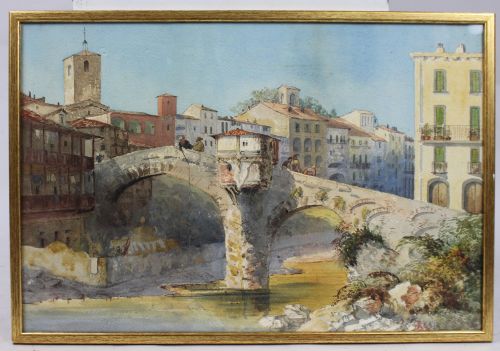
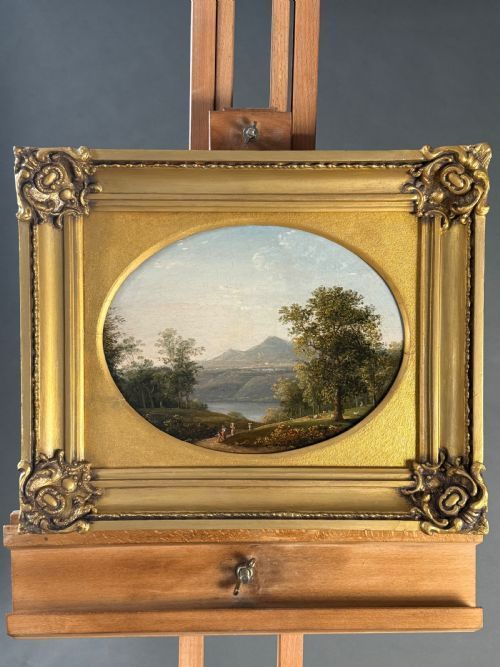
These grand tour painting pieces capture classical ruins, sunlit Venetian canals and Mediterranean landscapes brought home by travellers.
Grand Tour Painting
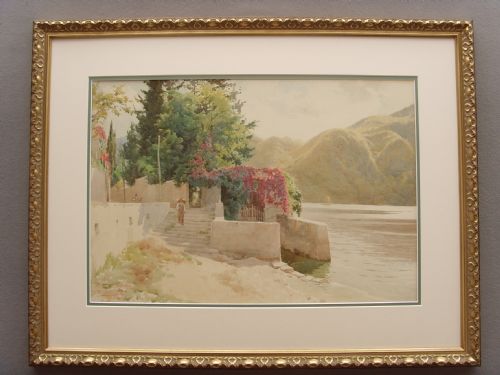
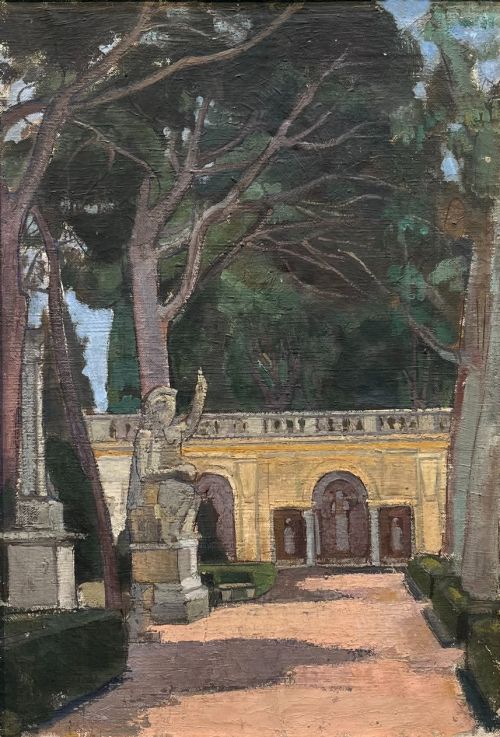
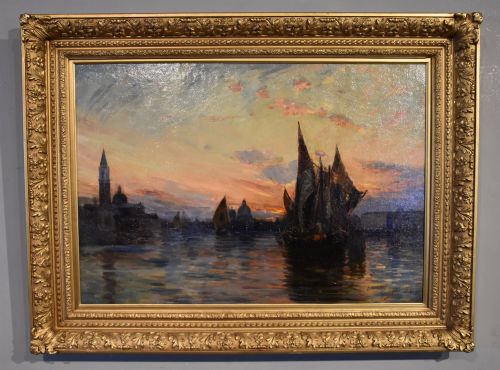
A grand tour painting captures the classical ruins, architectural vistas and sunlit landscapes of Italy and the wider Mediterranean that travellers encountered abroad. These works served as visual souvenirs for collectors traversing Europe during the eighteenth and nineteenth centuries.
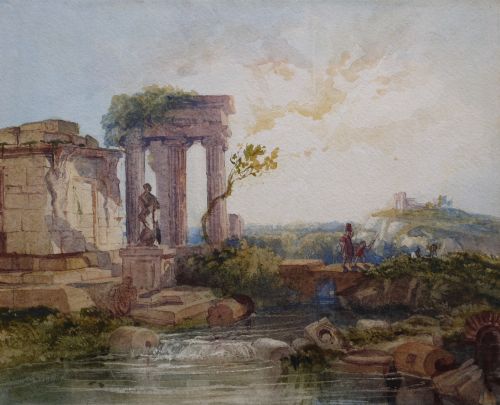
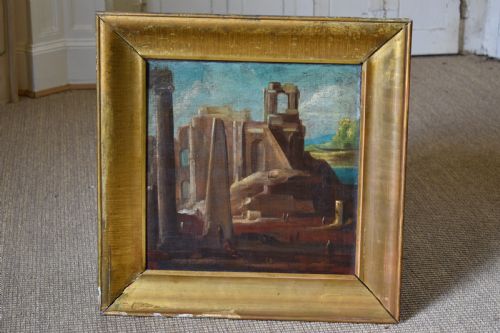
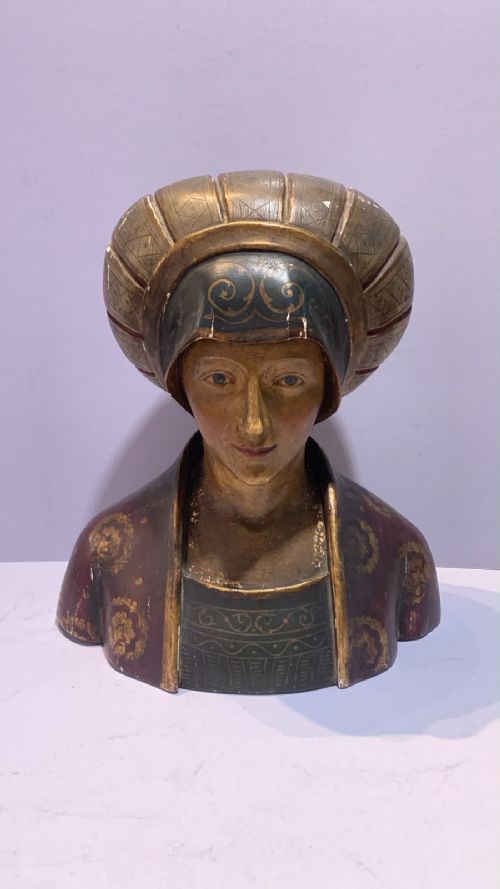
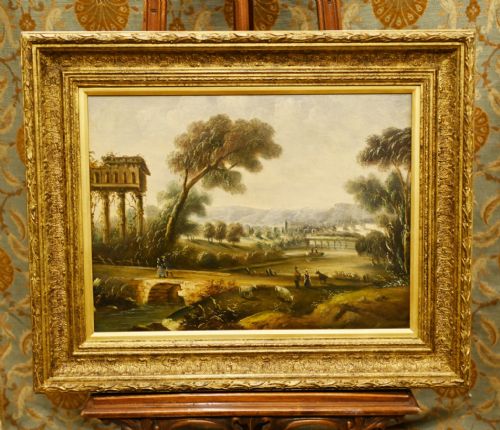
The most common examples on this page are delicate watercolours and rich oil paintings depicting recognizable landmarks such as the Colosseum, the Doge's Palace or the Roman Campagna. Alongside flat works on paper and canvas, the selection includes related sculptural busts and architectural capriccios.
The objects span from the eighteenth century through the Edwardian period, reflecting shifting tastes in continental travel. Buyers encounter works created by local continental studios alongside British artists working abroad in Rome and Venice.
Materials and technique
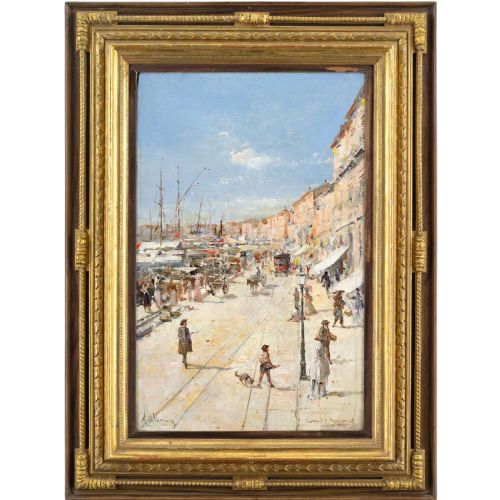
Artists recorded their travels using oil on canvas or detailed watercolour on paper, often framed in giltwood and gesso. Oil paints provided deep, atmospheric tones for Venetian lagoons and twilight skies, while watercolour allowed rapid, precise capture of archaeological sites.
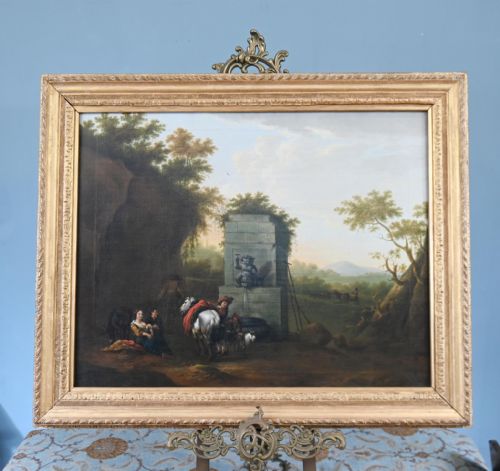
Support materials range from traditional wood panels and stretched canvas to heavyweight paper sheets. Many pieces retain period frames fashioned from carved wood and gilded ornament, complementing the classical subject matter.
Camels occasionally share a frame with ancient pyramids, proving that some nineteenth-century travellers ventured far beyond the Roman Forum.
Distinctions in quality
Quality rests in the handling of light, atmospheric depth and the precision of architectural perspective. Master works render classical ruins and water reflections with convincing realism, whereas lesser examples rely on formulaic repetition.
The fidelity of the framing and the reputation of the recording hand elevate a piece. Signed watercolours and documented oil paintings by recognised nineteenth-century practitioners carry greater artistic weight than anonymous souvenir sketches.
Richard Principal Leitch·Augusto Alberici·Jacob Philipp Hackert·Thomas Hodgson Liddell·Franz Knebel·Antoine Bouvard Senior·Jane Vivian·Alfred Pollentine·Vittore Zanetti Zilla·Charles H Poingdestre·Ettore Ascenzi
The Grand Tour Painting Glossary
- Capriccio
- An architectural fantasy placing imaginary or real buildings, ruins and other architectural elements in a fictitious combination. This compositional style was popular among artists depicting Italian landscapes.
- Campagna
- The countryside surrounding Rome, characterised by rolling plains, ancient aqueducts and classical ruins. It provided a favored subject for landscape painters.
- Grisaille
- A painting executed entirely in shades of grey or neutral greyish-brown. Artists utilised this monochrome technique to imitate sculpture or produce preparatory sketches.
- Giltwood
- Wood that has been treated with a thin layer of gold leaf or gold paint. It frequently appears on nineteenth-century frames housing these works.
Grand Tour Painting: Frequently Asked Questions
What subjects appear most often in grand tour painting?
Landscapes featuring Roman ruins, Venetian canals and classical architecture dominate these collections. Artists frequently recorded specific monuments like the Colosseum or the Forum of Nerva.
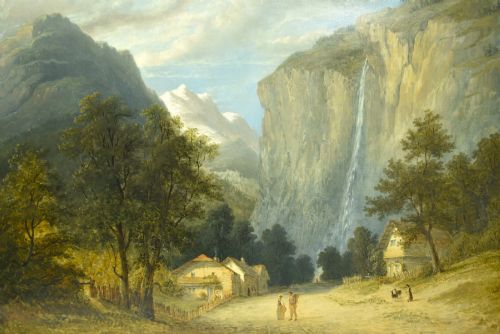
Views of Swiss waterfalls and desert scenes also appear among the records, reflecting broader travel itineraries beyond Italy.
How were these artworks created during travel?
Artists often worked on location using portable watercolour sets on paper to capture rapid studies of monuments. Finished oil paintings were subsequently produced in studios using these initial sketches.
Local workshops also supplied ready-made views to travellers departing by carriage or ship.
How do I date a grand tour painting?
Dating relies on costume details within figures, architectural states of ruins and artist signatures or dates inscribed on the reverse. Stylistic traits such as nineteenth-century Romanticism provide additional chronological markers.
Framing materials and paper watermarks further assist in establishing the period of creation.
How should I display these watercolours at home?
Works on paper require protection from direct sunlight to prevent fading of delicate watercolour pigments. Framing behind conservation-grade glass preserves the paper substrate.
Pairing them with period giltwood frames enhances their historic character in traditional interiors.