
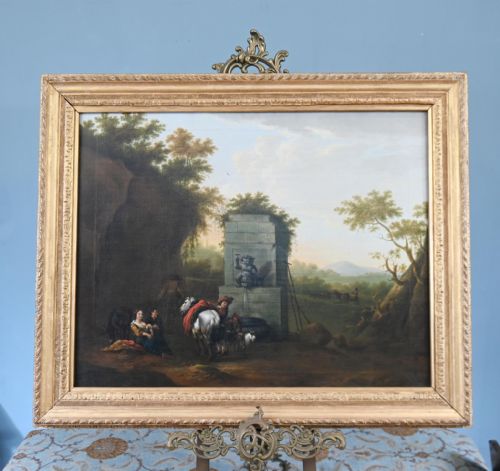
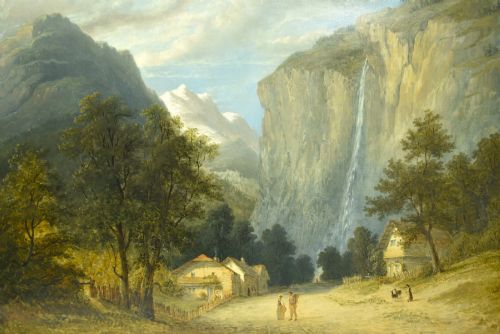


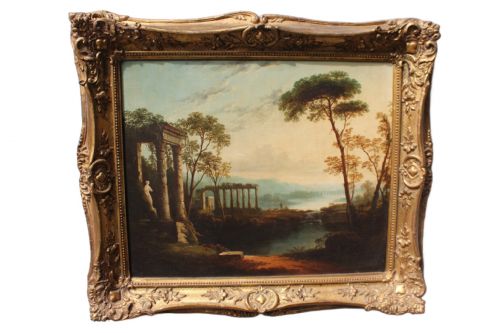


Grand Tour Landscape Painting
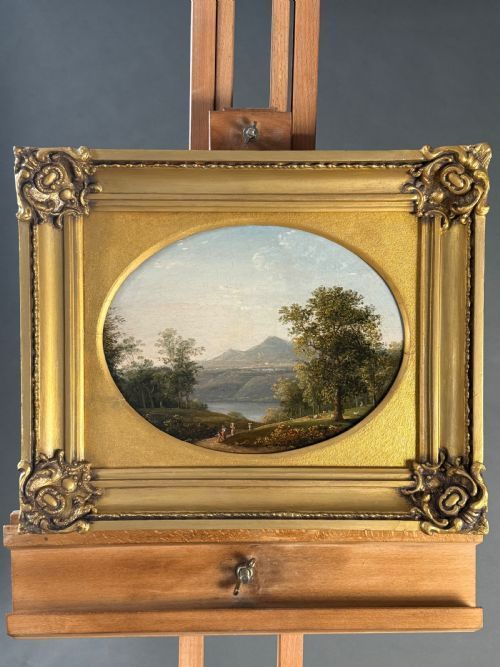
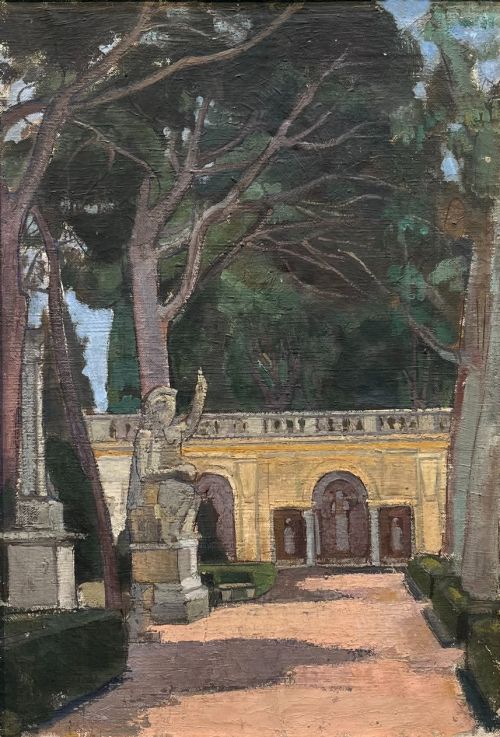
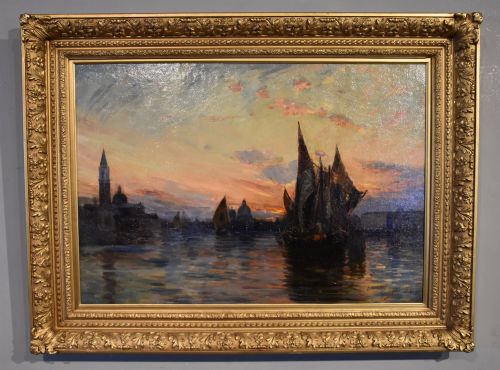
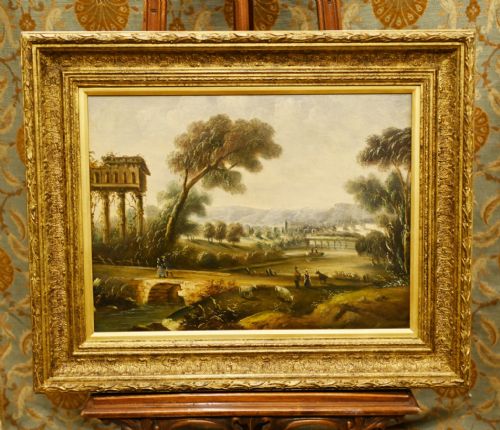
These grand tour landscape painting works capture the classical vistas and southern light sought by travellers across European capitals.
Grand Tour Landscape Painting
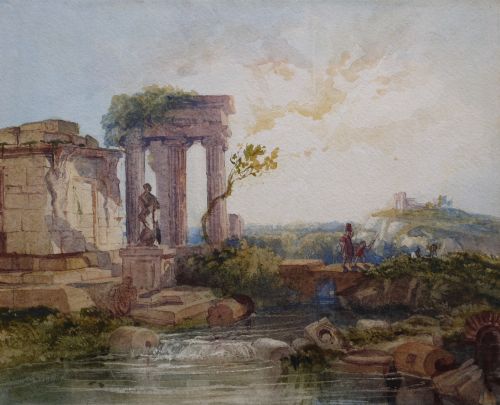
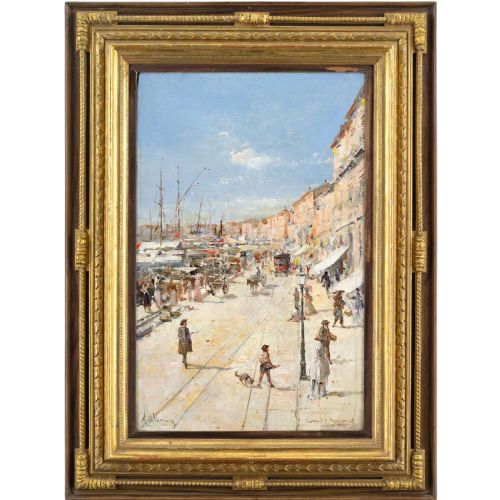
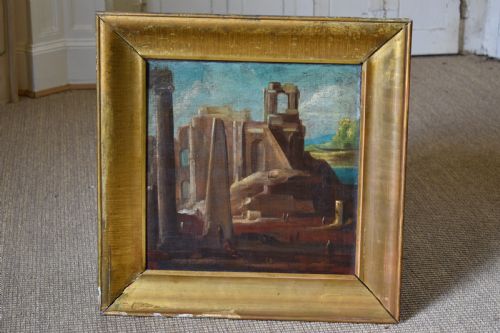
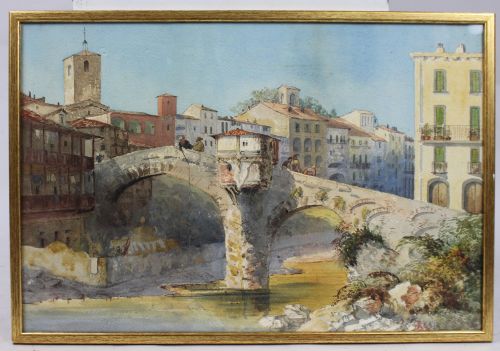
A grand tour landscape painting records the classical ruins, pastoral valleys and sunlit vistas encountered by travellers during their travels through Italy and Europe. These works range in date from the seventeenth century through to the nineteenth century, reflecting successive generations of collectors recording their classical journeys.
The pieces on this page appear in forms such as oil on canvas, watercolour paint on paper and oil paintings executed in Italianate and neoclassical styles. Examples include subjects like Venetian canal scenes and extensive Tuscan landscapes with distant villas.
Many of these paintings connect directly to historic traditions, such as works after Jan Miel or originating from the circle of Thomas Jones. Collectors encounter both intimate watercolours and larger oil paintings framed in giltwood and gilt metal.
What Varies in Quality
Quality rests upon the handling of light and perspective, distinguishing works by named hands or close circles from routine souvenir watercolours. The finesse of the brushwork in rendering classical architecture and foliage determines the visual weight of each composition.
The integrity of the surface materials, including the preservation of the original oil on canvas or paper support and the richness of the accompanying giltwood framing, dictates the standing of an individual piece within the wider range of period art.
Retail Price Guide 2026
Typical UK retail prices for grand tour landscape painting, calculated from the Sellingantiques database of over a million retail prices indexed since 2003. This retail price guide relies exclusively on Sellingantiques data; no external sources or auction records are used, so the figures do not describe the wider market.
The listings span from the seventeenth century to the nineteenth century, utilising oil on canvas, watercolour paint, wood, and giltwood.
Jacob Philipp Hackert·Thomas Jones·Jan Miel
The Grand Tour Landscape Painting Glossary
- Grand Tour
- A traditional trip through Europe, undertaken by upper-class European young men of means as a part of their education. The art collected during these journeys formed the core of many historic country house collections.
- Italianate
- A style of painting that adopts the warm light, rolling hills and classical ruins of the Italian countryside. British and European artists continually reinterpreted this idealised landscape.
- Neoclassical
- A Western cultural movement drawing on the art and culture of classical antiquity. This aesthetic heavily influenced the architectural elements and pastoral compositions depicted in these paintings.
- Giltwood
- Wood that has been treated with a thin layer of gold leaf or gilt metal. It serves as the primary material for traditional frames enclosing period paintings.
Frequently Asked Questions
What is a grand tour landscape painting?
These works are paintings created to record the travels of collectors visiting classical sites across Europe, particularly Italy. They depict scenes ranging from Venetian canals to Tuscan pastoral views.
Created across the seventeenth, eighteenth and nineteenth centuries, the pieces utilise oil on canvas or watercolour paint to capture the light and atmosphere of southern Europe.
How do I date these paintings?
Dating relies upon stylistic evidence, costumes depicted, framing materials and any inscribed signatures or dates on the canvas or paper support. Works span from seventeenth century compositions after masters to nineteenth century watercolours.
Examining the preparation of the canvas, the type of wood used in stretching frames and the formulation of the pigments provides further clues to the period of creation.
Where were these paintings displayed?
Travellers returning from their travels hung these works in libraries, drawing rooms and galleries within their town houses and country estates. They served as tangible reminders of foreign education and cultural sophistication.
Today, collectors place them in traditional or modern interiors where their warm palettes and classical subject matter complement period furnishings.
What subjects are most common?
The most frequent subjects include Italianate pastoral views, architectural ruins, distant villas and Venetian canal scenes. These compositions often blend observed topography with idealised neoclassical elements.
Artists focused on capturing the specific quality of Mediterranean light, incorporating figures of travellers or local peasants to establish scale within the landscape.