
Grand Tour Figurine
A grand tour figurine brings the classical past into the study, cast in bronze or carved from marble by European hands.
Grand Tour Figurine
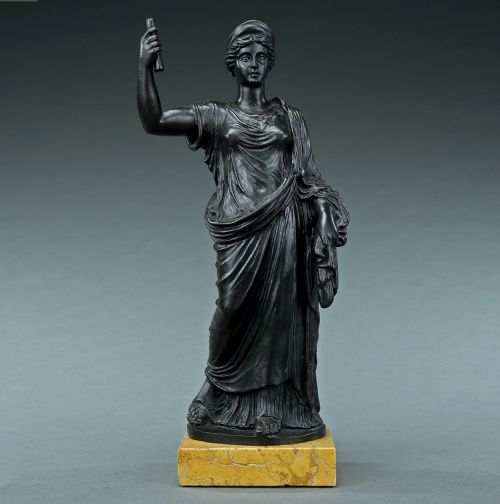
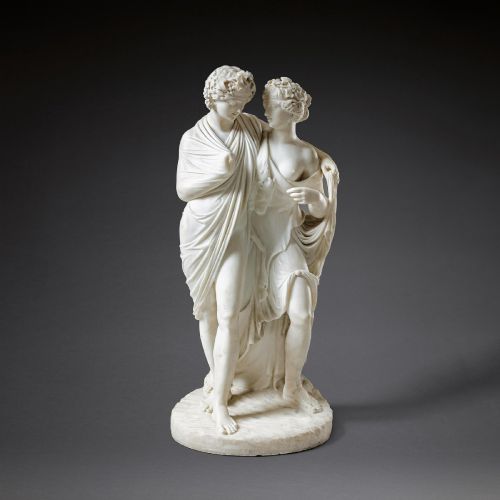
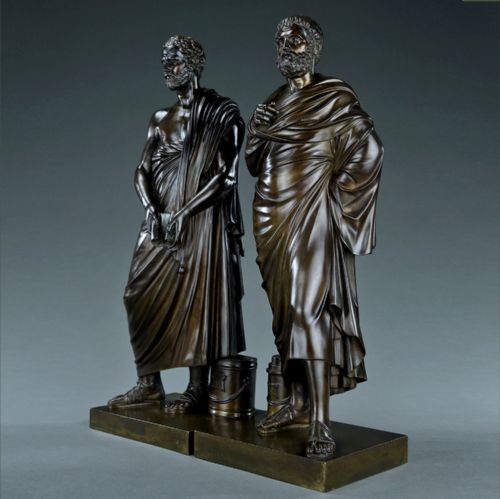
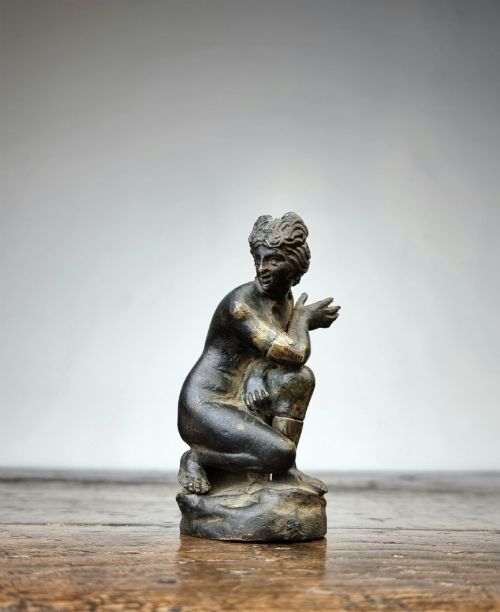
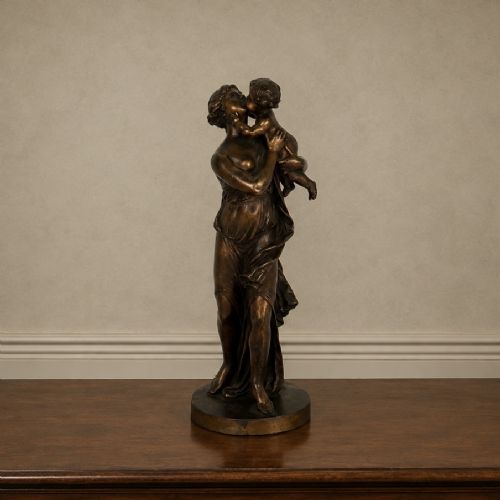
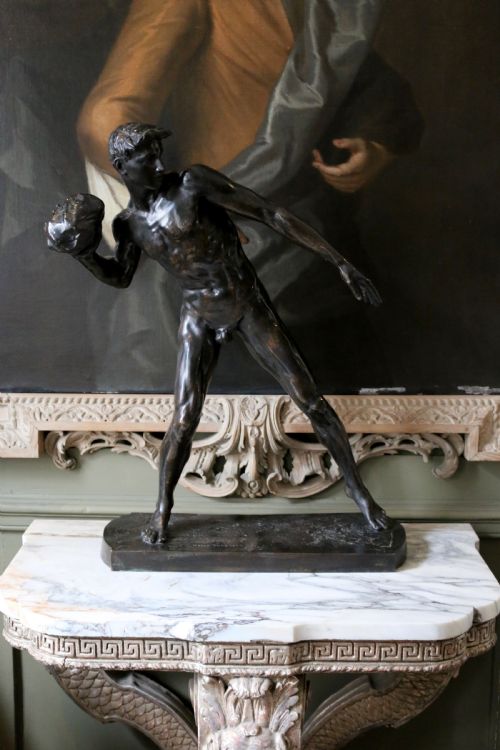
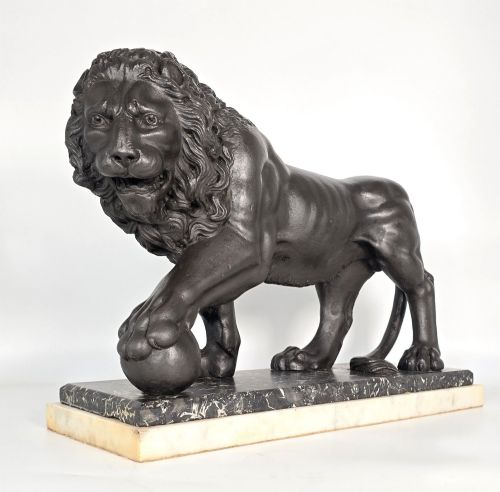
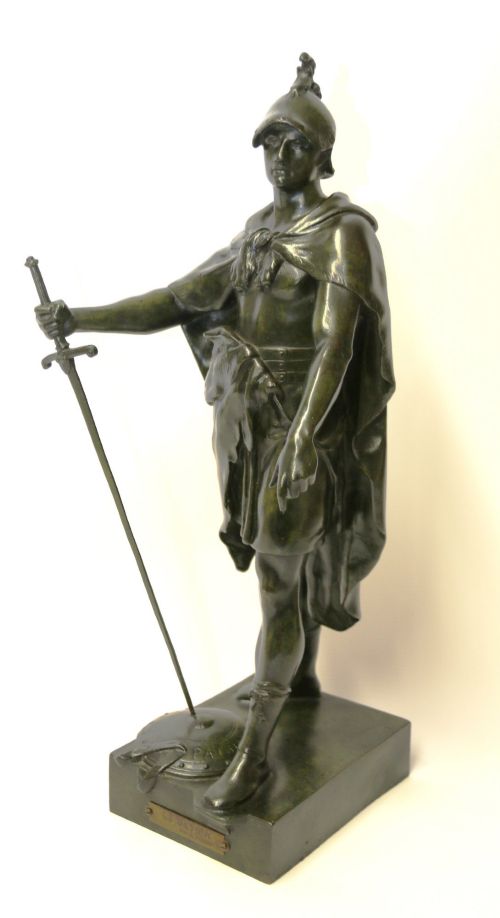
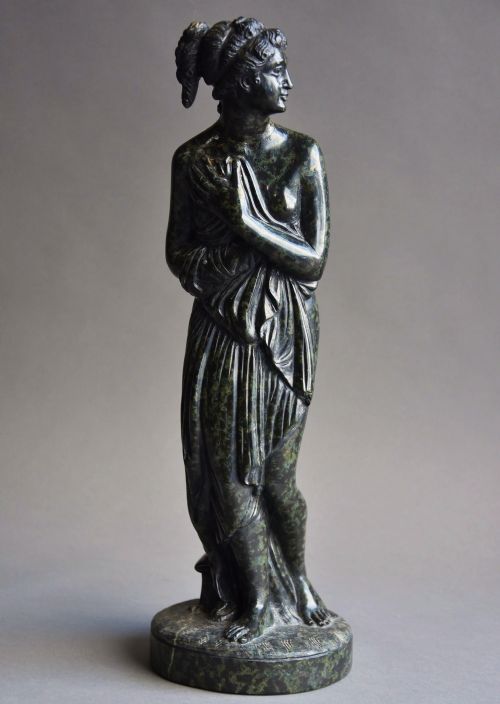
A grand tour figurine represents classical mythology, ancient sculpture or historical figures, purchased by travellers journeying through Italy and France during the nineteenth century. These small sculptures translate famous monumental antiquities into domestic scale, often mounted on stone plinths.
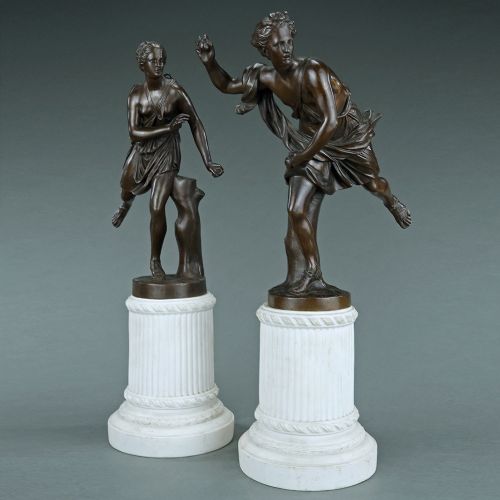
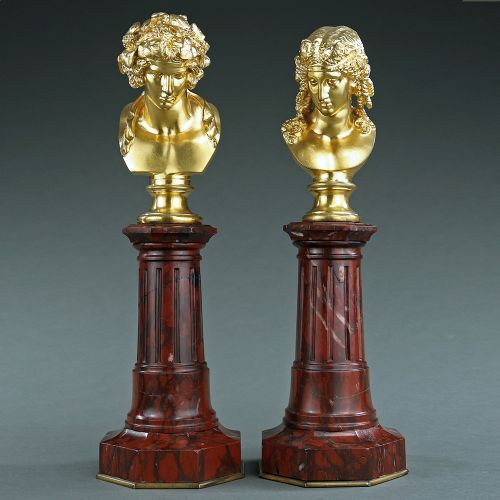
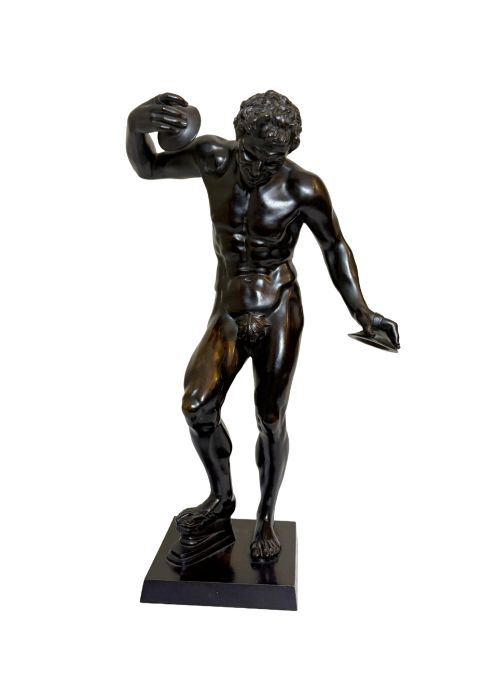
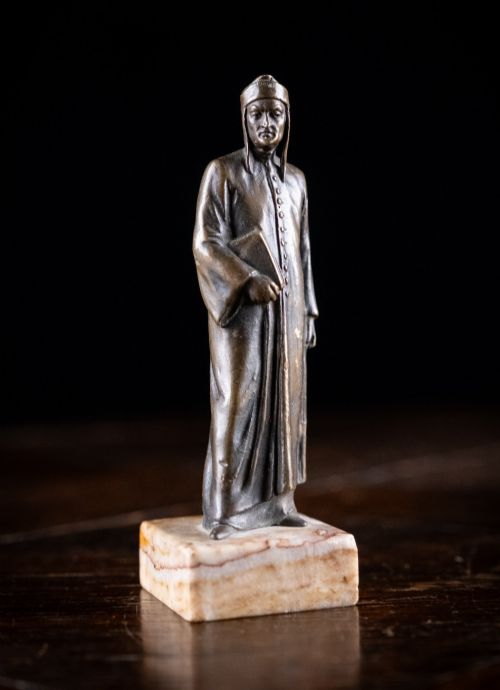
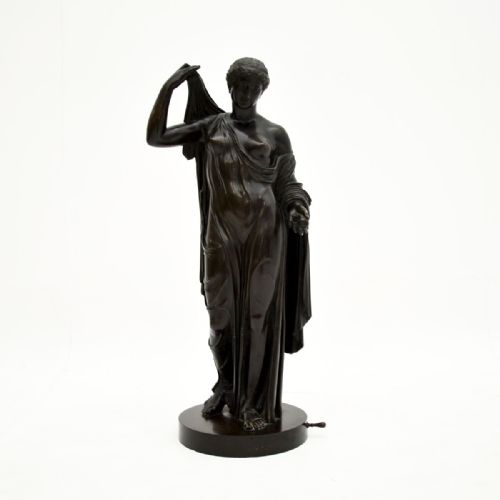
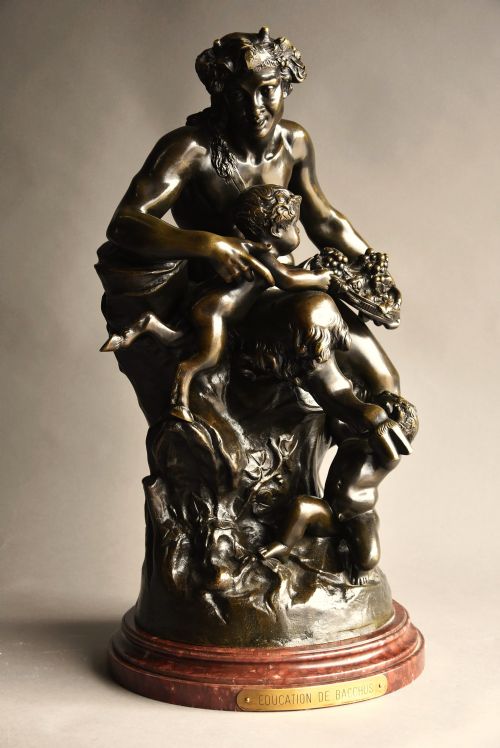
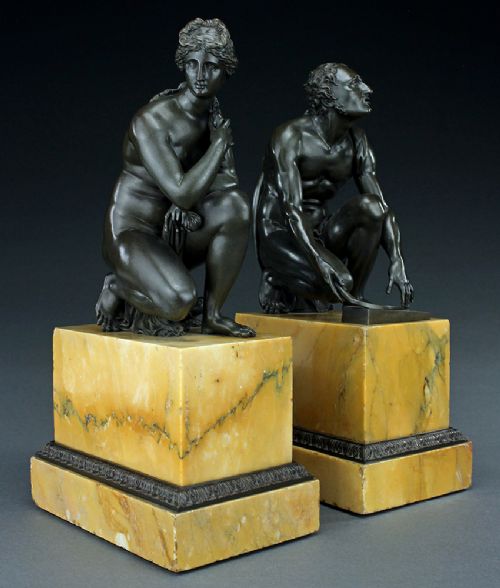
The pieces appearing here span from seventeenth-century castings to later Victorian interpretations, showing deities, emperors and literary subjects such as Juno, Bacchus, Dante and Venus. Neoclassical and Egyptian Revival styles dominate, reflecting the aesthetic tastes of collectors who toured the Mediterranean.
Most examples function as cabinet bronzes, statuettes or library busts designed to decorate nineteenth-century interiors. They connect directly to archaeological discoveries and museum collections of the period, serving as intellectual souvenirs of educational travel.
How they were made
Foundries utilised the lost-wax casting method for bronze figures, allowing fine detail in musculature, drapery and facial expressions to emerge from the metal. Artisans then applied chemical patination, ranging from deep brown to verdigris and dark green, to simulate age.
Carved pieces rely on materials such as Carrara marble, alabaster and serpentine, shaped with chisels and polished by hand to mimic ancient stone surfaces. These figures are frequently paired with contrasting marble bases in white, black or Siena varieties.
Several satyrs and fauns appear mid-dance, proving that even ancient deities enjoyed a bronze-cast rhythm.
What varies in quality
The refinement of the chiselling and chasing separates ordinary foundry work from superior examples, where every feather, lock of hair and muscle contour remains crisp after casting. Master founders achieved depth and texture that lesser commercial souvenirs lacked.
The selection and treatment of the mounting plinth also indicate standard, as higher-quality pieces utilise dense veined marbles precisely fitted to the bronze rather than generic timber or simple slate blocks.
Barbedienne·Carlo Albacini·Hamo Thornycroft·Émile Louis Picault·Antonio Canova·Jean-Baptiste Carpeaux·Duchemin
The Grand Tour Figurine Glossary
- Patination
- The chemical treatment or natural weathering applied to the surface of bronze to create colour and tone. This process protects the metal while enhancing visual depth.
- Neoclassical
- An artistic movement drawing inspiration from the classical art and culture of ancient Greece and Rome. It prioritises proportion, restraint and heroic subject matter.
- Plinth
- A heavy block or base upon which a sculpture or bust is mounted. They are frequently made from contrasting marbles such as Carrara or Siena.
- Lost-wax casting
- A metalworking process where a molten metal is poured into a mould that has been created by means of a wax model. The wax is subsequently melted and drained away.
Grand Tour Figurine: Frequently Asked Questions
What is a grand tour figurine?
A grand tour figurine is a miniature bronze or marble sculpture reproducing a famous classical antiquity, collected by travellers on European journeys during the nineteenth century.
These pieces served as intellectual ornaments for libraries and drawing rooms, celebrating classical history, mythology and sculpture.
How do I identify the subject?
Subjects are typically identified by traditional attributes, such as cymbals for a dancing faun or wings for Mercury, often matching known Roman or Greek statues.
Inscriptions on the base or historical references in the casting often name the specific deity, philosopher or mythological figure depicted.
Are the marbles original to the bronzes?
Marble plinths and columns were chosen by workshops to complement the patination of the bronze figure, often utilising contrasting white or coloured stone.
Many bases date from the same nineteenth-century period as the casting, though some replacements occurred during later maintenance.
How should I care for bronze and marble?
Bronze figures require only gentle dusting with a soft brush and occasional microcrystalline wax application to preserve the patination.
Marble surfaces should be kept dry and cleaned with a soft cloth, avoiding abrasive chemicals that can etch the polished stone.