

Grand Tour
A grand tour antique brings the classical architecture and sculpture of Italy into the private study.
Grand Tour
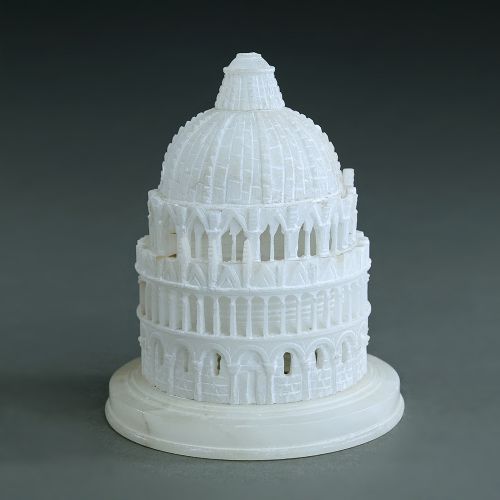
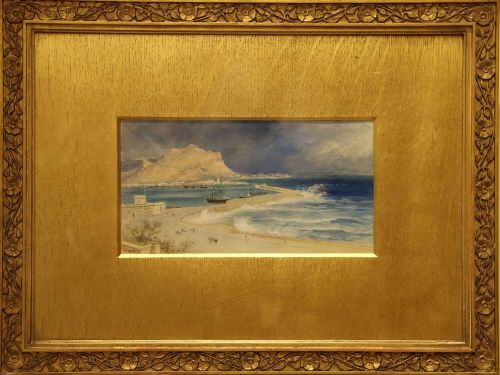
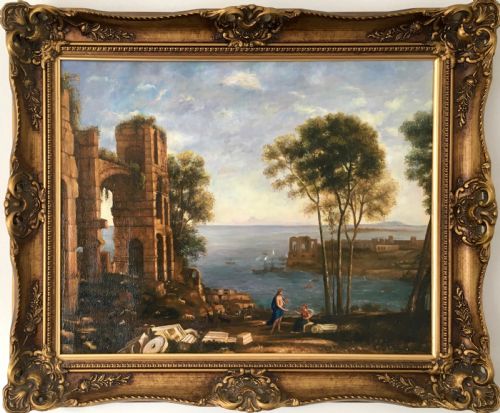
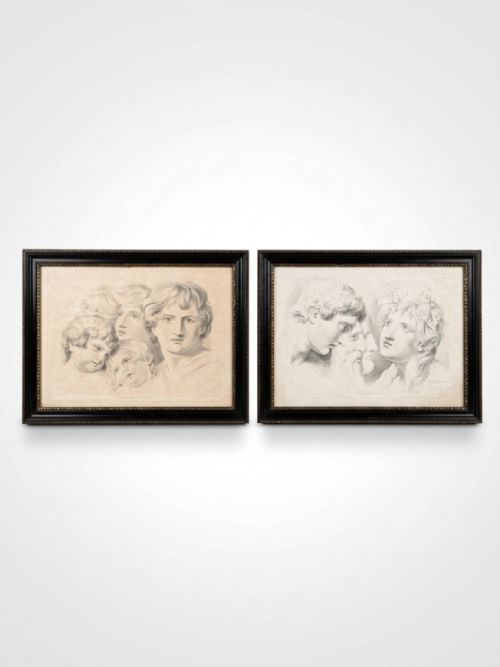
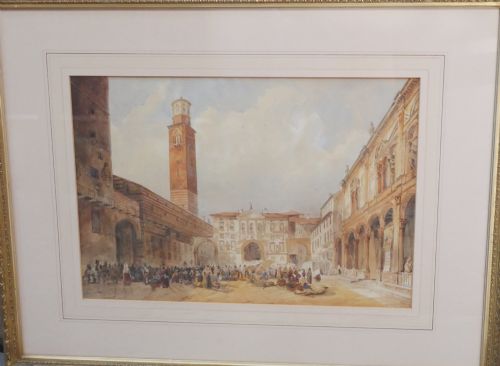
A grand tour antique is a tangible souvenir collected by travellers journeying through cultural centres like Rome, Florence and Venice during the eighteenth and nineteenth centuries. These pieces translate famous classical monuments, ancient statues and Italian landscapes into portable formats suited for domestic display. Buyers seeking this category encounter items ranging from miniature architectural models to framed watercolours of Mediterranean harbours.
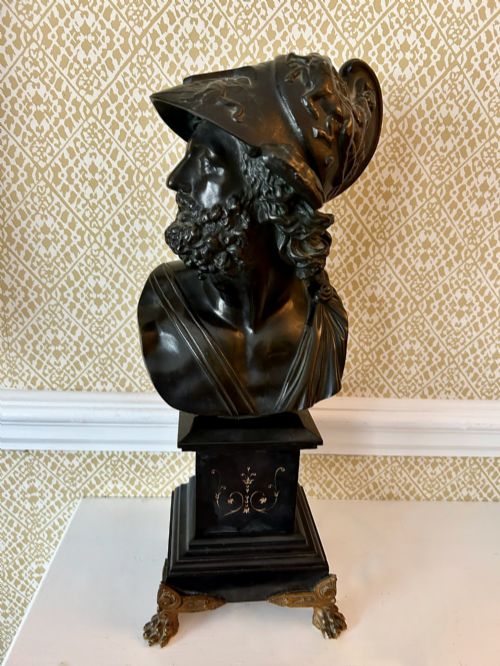
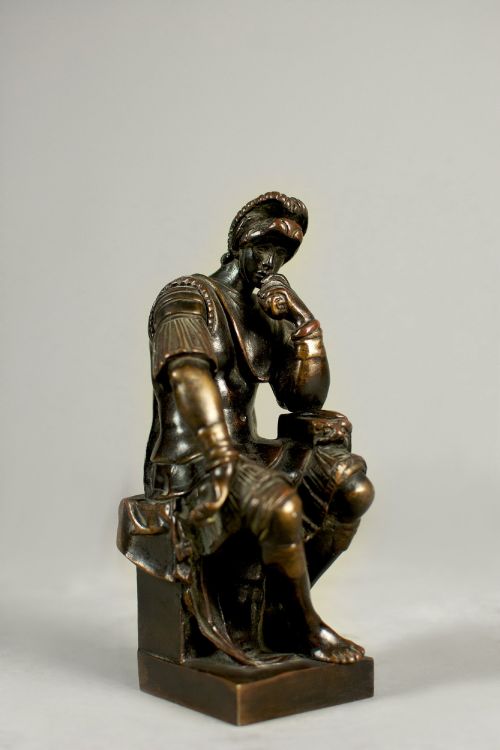
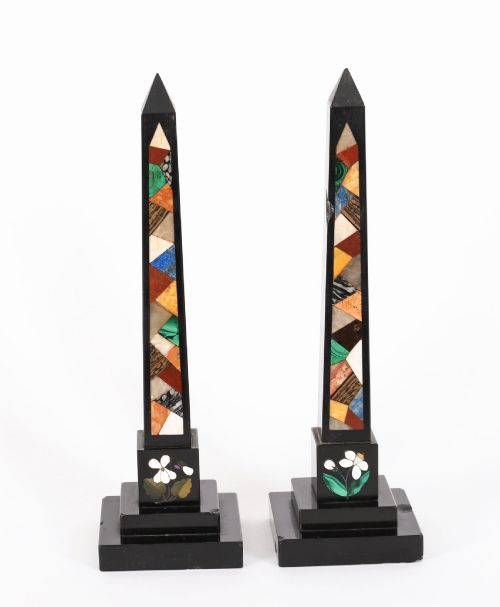
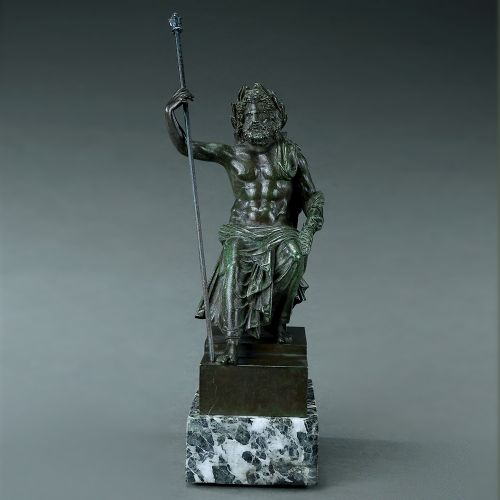
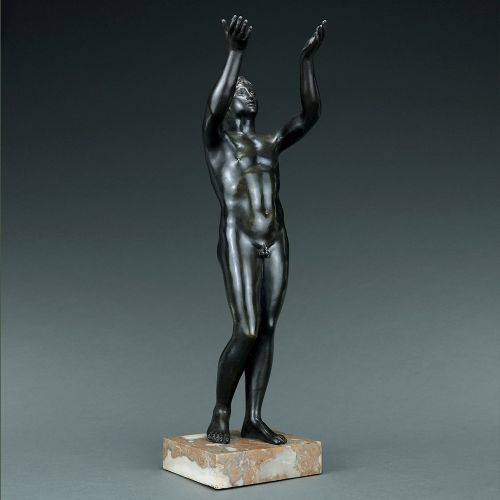
The objects on this page largely date from the nineteenth century, reflecting the peak of European travel down the Italian peninsula. Common forms include patinated bronze reductions of classical sculpture, specimen marble obelisks, intaglios and micro-mosaic jewellery. Each piece serves as a physical record of an educational pilgrimage undertaken by artists, scholars and nobility.
Materials and construction
Makers utilised enduring materials that mirrored the classical ruins being visited, relying heavily on bronze for sculptural reductions and various marbles for architectural models and tazzas. Patination methods on bronze figures created dark, antique surfaces that imitated excavated artefacts from ancient sites. Specimen marbles such as Siena, Rosso Antico and Carrara provided natural veining and varied colour palettes for obelisks, chess boards and desk encriers.
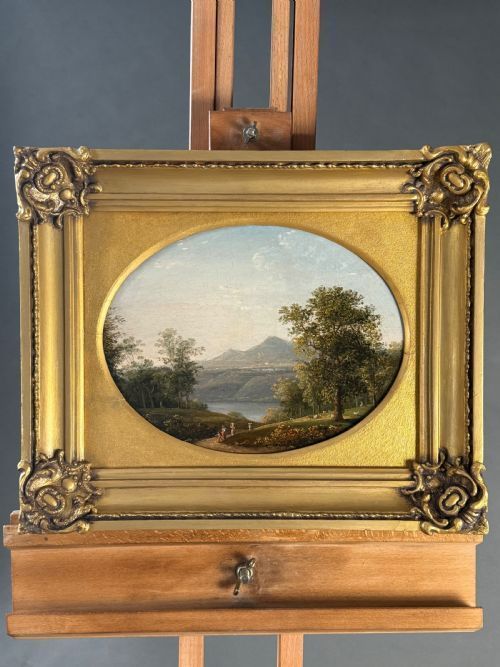
Inticate decorative arts required specialised workshops skilled in miniature craft, employing tiny glass tesserae for micro-mosaic bracelets and brooches or hand-carving shell cameos and ivory plaques. Paper works relied on watercolour, oil and etching techniques to capture Italian lake scenes and coastal views. These items demanded precise hand skills to reproduce classical proportions on a reduced scale.
Listings feature materials such as bronze, marble, glass, paper, wood, plaster and patinated bronze across multiple nineteenth-century periods.
Distinctions in quality
Quality in a grand tour antique rests on the fidelity of the reduction and the precision of the material carving. Superior bronzes display sharp casting lines that retain the musculature and facial expressions of the original classical statues without softening the details during the chasing process. Marble and alabaster models demonstrate tight joinery, crisp architectural edges and a careful selection of stone that highlights natural mineral patterns.
The reputation of the workshop or founder also dictates the standing of a piece, with established Parisian and Italian foundries achieving superior metal density and patination depth. Similarly, micro-mosaics and intaglios separate themselves by the density of the tesserae and the anatomical correctness of the tiny figures. Pieces bearing attribution to known makers or possessing documented provenance carry distinct artistic weight.
Ferdinand Barbedienne·Benedetto Boschetti·Carlo Albacini·Gioacchino Barberi·Pietro Bracci
The Grand Tour Glossary
- Patinated bronze
- Bronze treated with chemical solutions to produce a specific surface colour, often dark brown or green to simulate age. This finish protects the metal and highlights sculptural contours.
- Specimen marble
- Decorative objects assembled from various coloured and textured marble fragments. These pieces showcase geological variety within a single architectural form like an obelisk or tazza.
- Intaglio
- A gem, stone or plaster cast carved with a depressed design rather than a raised relief. Collectors stored these in specialised cabinets to study classical iconography.
- Micro-mosaic
- A meticulous technique using microscopic glass tesserae fused together with enamel to form detailed pictorial scenes on jewellery or snuff boxes.
- Capriccio
- An architectural fantasy artwork placing together different buildings, ruins and other architectural elements in a fictitious combination. Painters often set these scenes in idealized Italian landscapes.
Grand Tour: Frequently Asked Questions
What is a grand tour antique?
A grand tour antique is a keepsake or artwork acquired by travellers touring the historical sites of Europe, particularly Italy, during the eighteenth and nineteenth centuries. These objects capture the aesthetic of classical antiquity for display in British and European homes.
Items range from bronze copies of famous Roman statues to marble models of ancient buildings and delicate micro-mosaic accessories. They functioned as both personal mementos of travel and demonstrations of the owner's classical education.
How were grand tour bronzes made?
Makers produced grand tour bronzes by casting molten metal into moulds taken directly from famous sculptures or reduced-scale models. Artisans then used chisels and files in a process called chasing to sharpen surface details before applying chemical patinations.
Foundries in Paris and Italy specialised in these reductions to supply the steady demand from foreign travellers. The resulting figures offered an affordable way to study classical anatomy and mythology at home.
How do you display marble obelisks?
Specimen marble obelisks work best placed on flat surfaces such as mantelpieces, library desks or console tables where their vertical form can create visual contrast. Collectors often group pairs of obelisks symmetrically to frame larger decorative objects or paintings.
Because these stone pieces are heavy and stable, they require little special mounting beyond a secure, level surface away from heavy foot traffic. Direct sunlight helps highlight the natural veining in the coloured marbles.
How to tell periods apart?
Distinguishing periods relies on examining the manufacturing techniques, material choices and stylistic influences visible in each piece. Eighteenth-century examples often exhibit hand-carved finishes and direct association with archaeological discoveries, while nineteenth-century items frequently utilise industrial foundry techniques for bronze casting.
Signatures, stamps and specific marble types also help narrow down the date of creation. Comparing the sculptural style against known classical antiquities reveals whether a piece follows eighteenth-century neo-classical revivals or later Victorian interpretations.