



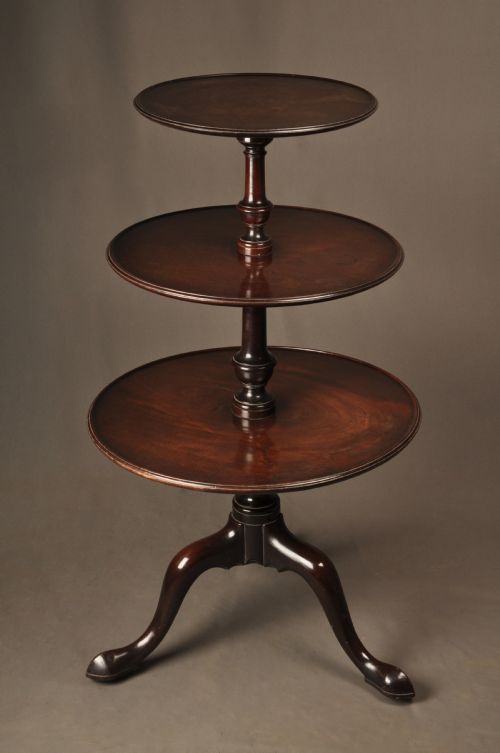

Graduated Tier Stand
A graduated tier stand brings multi-level display and storage to a room, offering ascending tiers for books, decorative objects and serving pieces.
Graduated Tier Stand
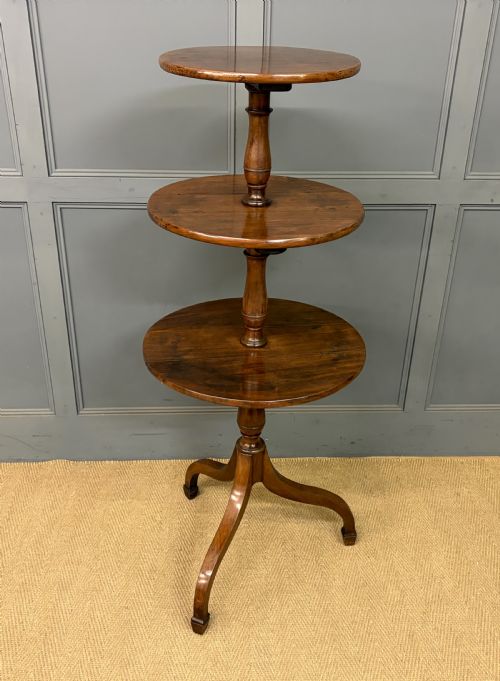
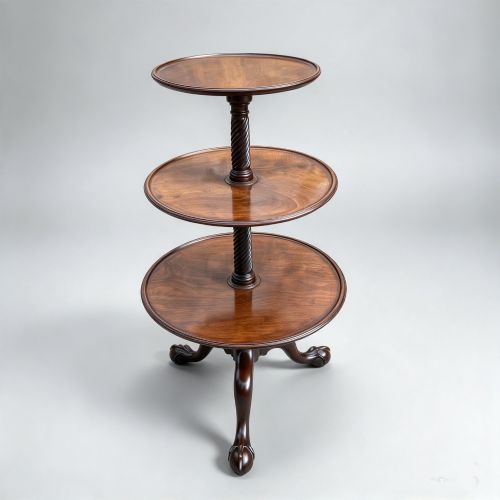
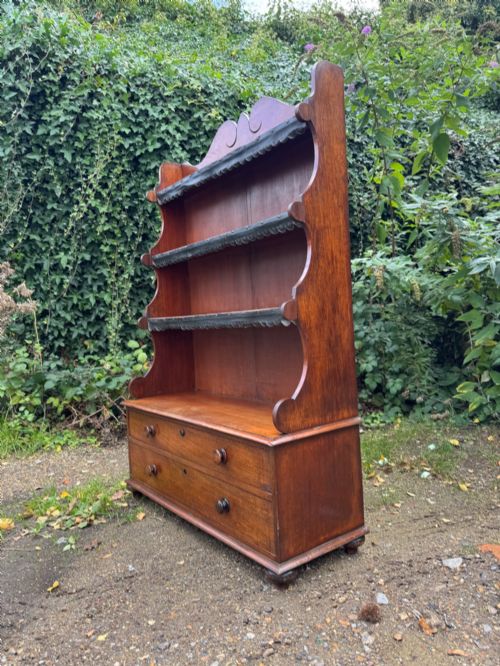
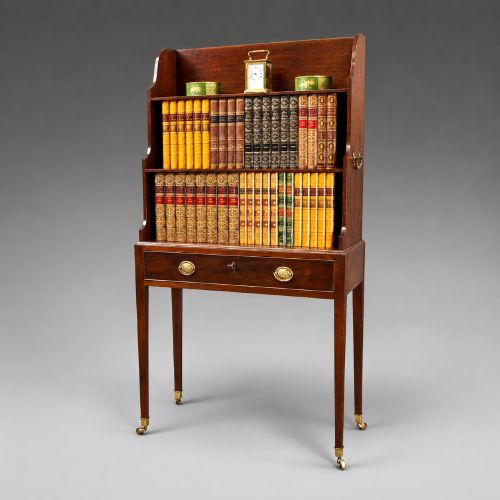
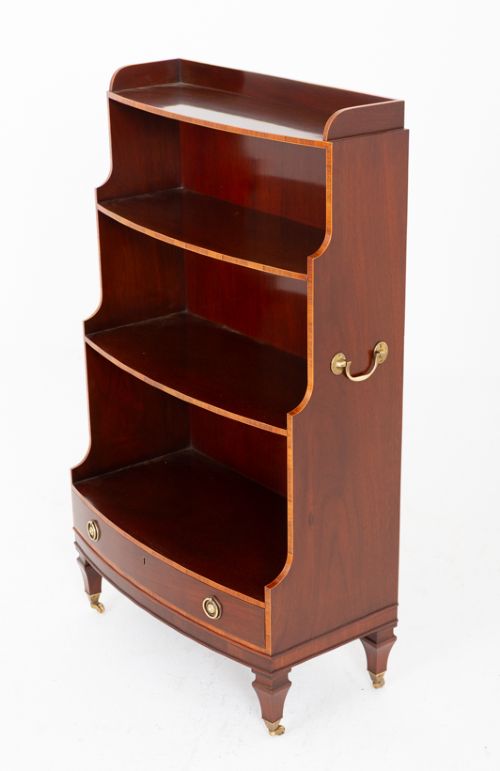
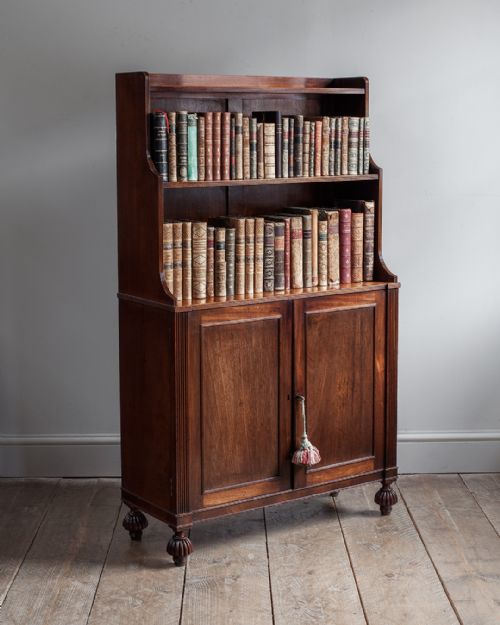
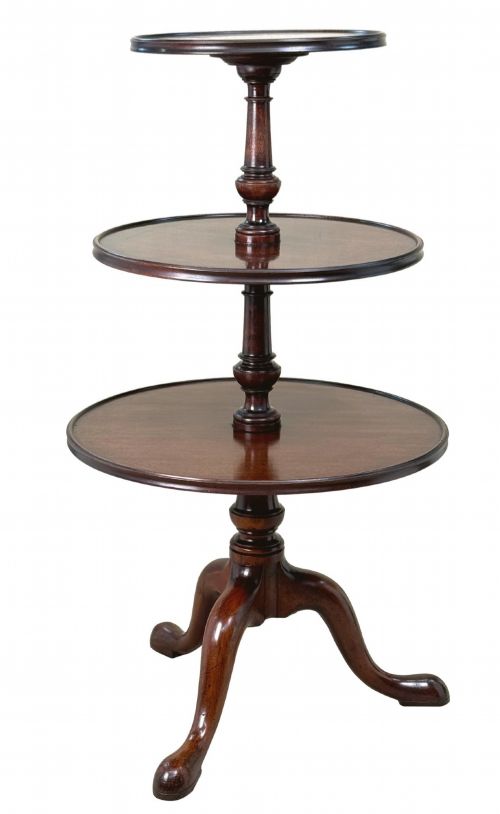
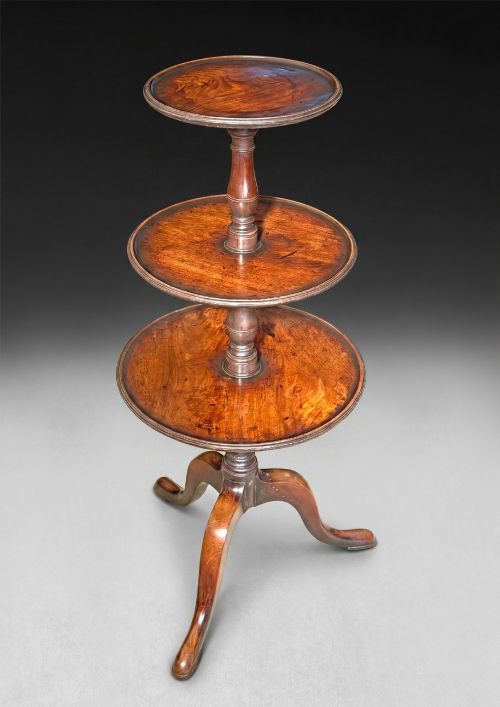
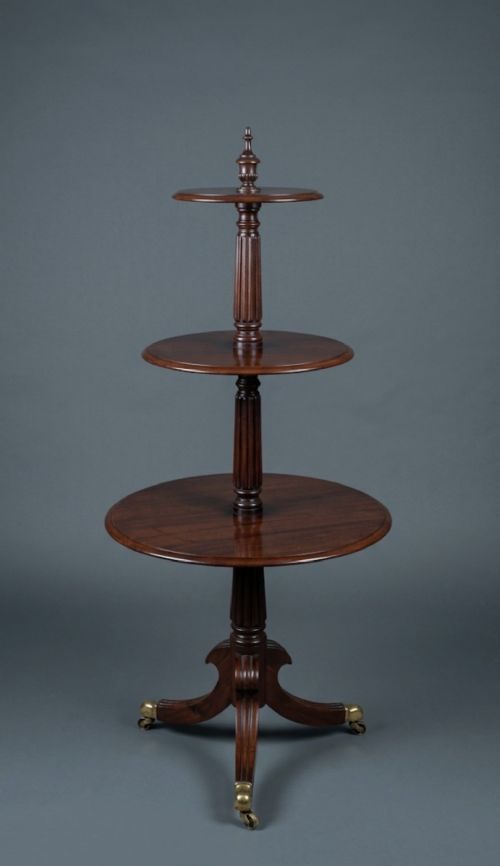
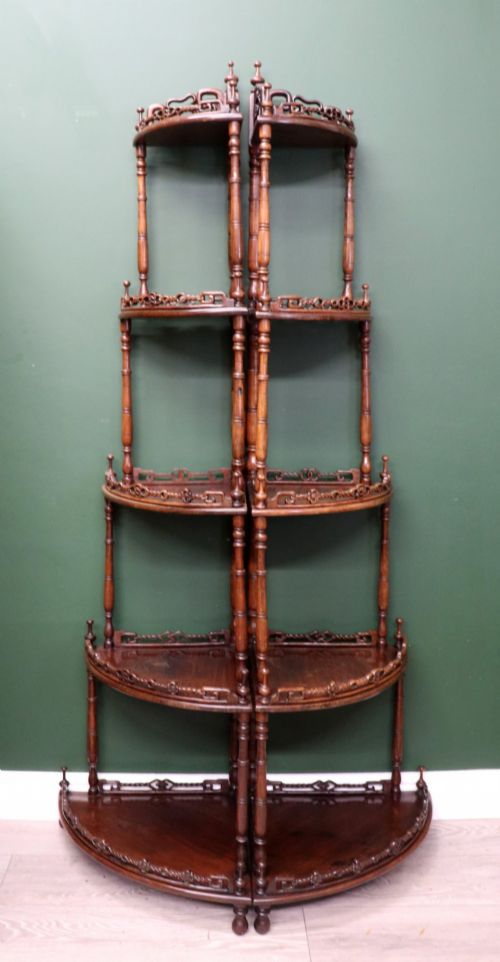
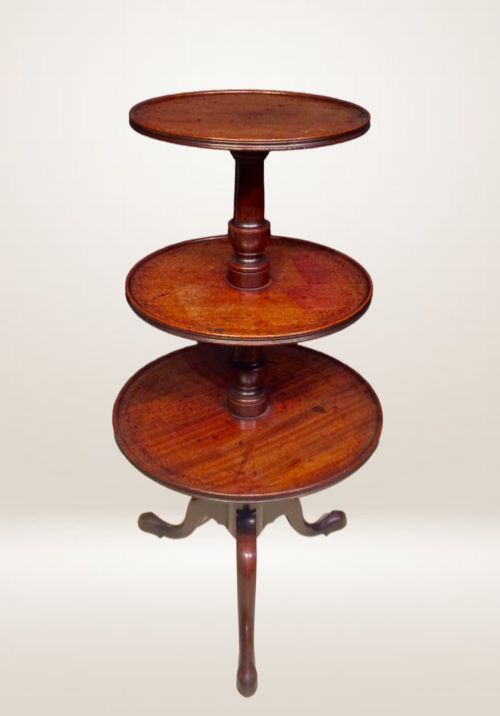
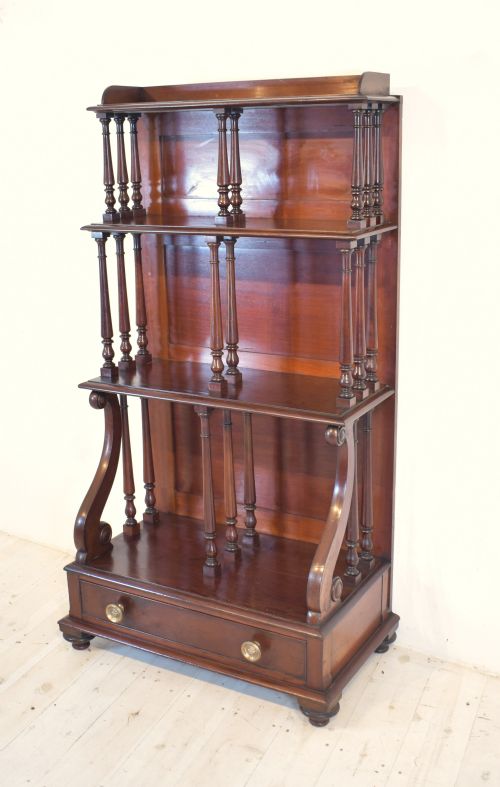
When you search for a graduated tier stand, you encounter pieces designed with multiple levels ascending in height, ranging from waterfall bookcases to rotating dumbwaiters and corner whatnots. The selections span the 18th century through the Georgian, Regency, Victorian and Edwardian periods, demonstrating how cabinet makers created vertical storage for compact spaces.
You are most likely to meet mahogany waterfall bookcases and circular mahogany dumbwaiters on this page, alongside rosewood and oak multi-tier shelves. These items served distinct domestic purposes, from dining room serving stations to library shelf units and corner displays.
The forms vary from revolving bookcases and saucepan racks to multi-tier open display shelves and graduated corner stands. Each utilises stepped tiers to organise collections and display objects clearly within a room.
How they were made
Cabinet makers constructed these multi-level stands primarily in mahogany, rosewood, walnut and oak, often selecting solid timbers alongside wood veneers for visible surfaces. Finer examples incorporate decorative techniques such as contrast cross-banding and boxwood stringing to accentuate the graduated lines of the shelves.
Structural joints, turned supports and rotating mechanisms required precise carpentry to ensure stability across multiple tiers. Metal elements such as brass fittings and wrought iron hooks appear on utility pieces like saucepan racks, whilst display items rely entirely on pegged and glued wood construction.
Graduated Tier Stand Retail Price Guide 2026
Typical asking prices for graduated tier stand among the pieces listed under this phrase on Sellingantiques today, from the lower quarter to the upper quarter. They describe what is for sale here now, not the wider market.
Object forms on this page range from library bookcases and corner shelves to circular dumbwaiters and multi-tier saucepan racks.
What varies in quality
The distinction between standard domestic production and superior cabinet work lies in the selection of timber figures, such as Cuban mahogany or rich rosewood grain. Master workshops applied refined details like fine stringing, cross-banded borders and elegantly turned columns that elevate simple shelving into sophisticated furniture.
Proportion and structural integrity dictate the standing of a piece, where graduated shelves decrease evenly in depth to maintain visual balance. Pieces retaining their original surfaces and authentic turning display a coherence that heavier or later reproductions lack.
Gillows
The Graduated Tier Stand Glossary
- Waterfall bookcase
- A set of open shelves where each upper tier is narrower than the one below, creating a stepped profile resembling a cascade of water. These pieces became particularly popular during the Regency and Victorian periods.
- Dumbwaiter
- A freestanding tiered piece of furniture with circular rotating or fixed trays arranged on a central pillar, traditionally used in dining rooms for serving food and holding tableware without servants present.
- Whatnot
- A movable set of open shelves supported by slender columns or pillars, used for displaying ornaments, books and decorative items. Victorian examples often feature multiple graduated tiers.
- Cross-banding
- A strip of veneer applied to the border of a shelf or top where the grain runs at right angles to the central panel. This technique creates a neat framing effect on finer furniture.
- Stringing
- A narrow inlay of contrasting wood, such as boxwood, inserted into grooves on the surface of furniture to form delicate decorative lines.
Graduated Tier Stand: Frequently Asked Questions
What is a graduated tier stand used for?
These stands provide multi-level horizontal surfaces designed to hold books, serving dishes or decorative ornaments in domestic rooms. Different forms served specific functions, from dining room service to library storage.
Dining pieces like dumbwaiters held courses and tableware, whilst waterfall bookcases and corner whatnots displayed collections. Their stepped design allows items on every level to remain visible and accessible.
How do I date a tier stand?
Dating relies on observing timber choices, construction methods and prevailing furniture styles across different historic periods. Georgian and Regency pieces typically utilise solid mahogany with precise turning, whilst Victorian examples introduce rosewood, walnut and elaborate barley twist supports.
Edwardian and later pieces often show lighter oak construction or distinct veneer patterns. Examining the edges, joining techniques and hardware helps confirm the manufacturing era.
Where should I place a tier stand?
Tier stands suit placement against plain walls, in narrow hallways or positioned neatly within unused corners of a room. Corner whatnots and rotating bookcases maximise floor space whilst offering substantial display capacity.
Keep them away from direct heat sources and strong sunlight to protect historic wood finishes and prevent timber warping. Their open structure allows light to pass through, making them effective room dividers.