





Gothic Wooden Sculpture
These gothic wooden sculpture pieces bring centuries of carved devotion into a room, offering tactile depth and rich theological history to any interior.
Gothic Wooden Sculpture
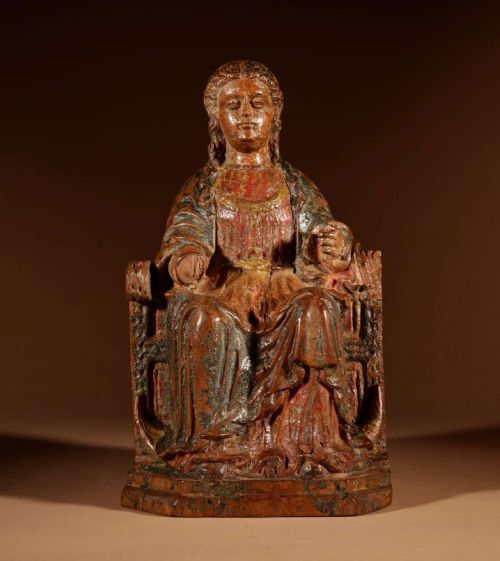
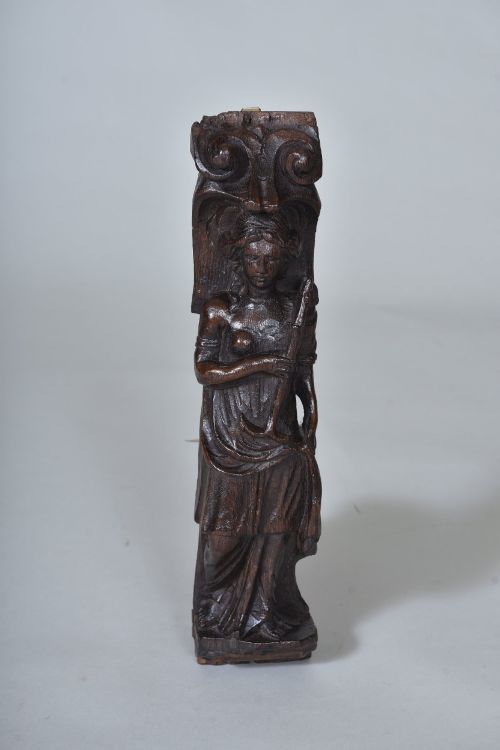
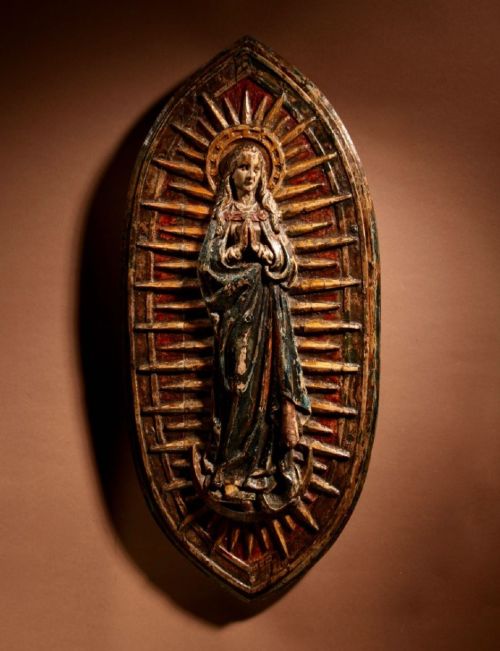
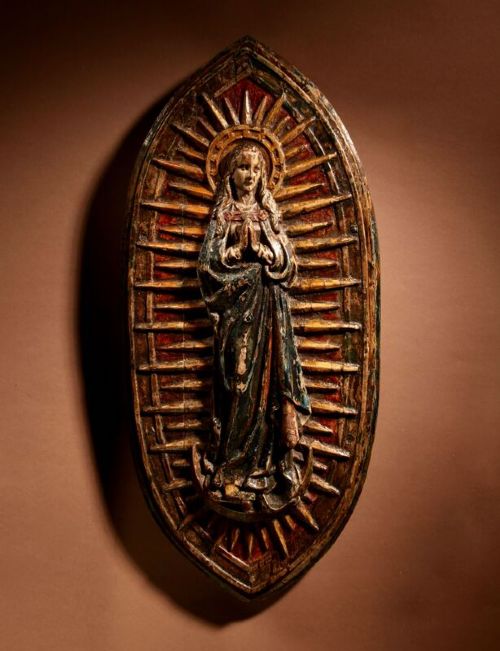
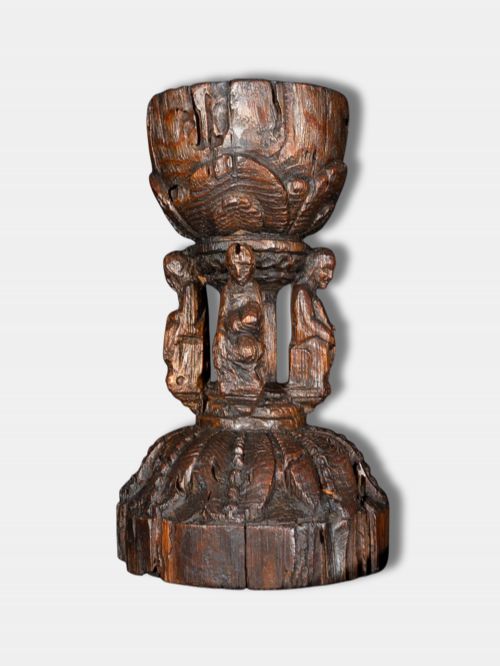
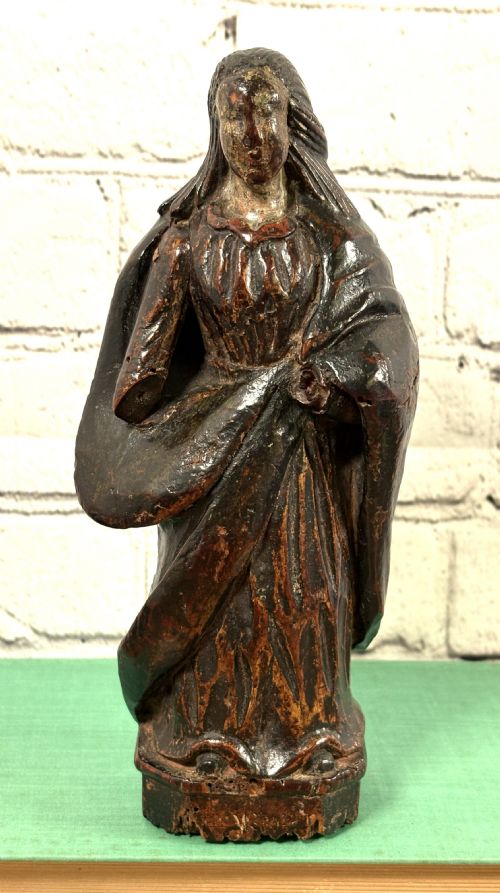
When searching for gothic wooden sculpture, collectors encounter figures of saints, Madonnas, and architectural fragments that span from the medieval era through later revivals. The versions met most frequently on this page originate from the sixteenth century or earlier, often taking the form of oak, limewood, or pine panels and devotional statues.
Many pieces reflect ecclesiastical origins, functioning originally as altarpieces, church figures, or architectural elements before entering the decorative sphere. Subjects range from full-figure representations of the Virgin and Child to specific scriptural narratives like the Annunciation or the Grief of Mary.
Alongside authentic medieval and Renaissance survivals, the selection includes nineteenth-century revival interpretations influenced by designers such as Pugin. These later works adapt gothic motifs for Victorian interiors, utilising darker woods and robust animal or heraldic carvings alongside traditional religious subjects.
Materials and carving techniques
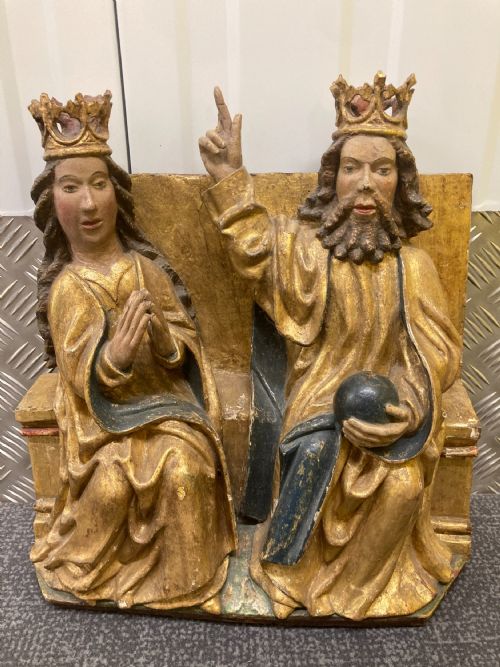
Surviving surfaces frequently display remnants of polychrome paint, gesso, and gold leaf applied over the bare timber to enhance devotional impact. Over centuries, these layered pigments and gilding have worn unevenly, leaving subtle traces of original colour beneath the aged grain of the wood.
Gothic Wooden Sculpture Retail Price Guide 2026
Typical asking prices for gothic wooden sculpture among the pieces listed under this phrase on Sellingantiques today, from the lower quarter to the upper quarter. They describe what is for sale here now, not the wider market.
Listings feature oak, limewood, and pine sculptures spanning the pre-sixteenth century to the Victorian Gothic revival.
Distinctions in quality and execution
The standard of a carving rests on the anatomical confidence of the hands and face, alongside the fluid execution of drapery folds that create a sense of internal weight. Master carvers achieved subtle psychological depth in saints and biblical figures, whereas lesser workshop pieces rely on stiff repetition and rigid symmetry.
The integrity of the original wood surface, the survival rate of early polychrome or gilt layers, and the degree of later restoration govern the historical standing of a piece. Works retaining their unstripped patination and untouched medieval polychromy command greater appreciation among serious scholars than those stripped or heavily reworked in subsequent centuries.
The Gothic Wooden Sculpture Glossary
- Polychrome
- Painted in several colours. This surface treatment was commonly applied to medieval wood carvings to give lifelike presence to religious figures.
- Gesso
- A plaster mixture used as a base for paint or gold leaf on wood. It creates a smooth ground for delicate gilding and polychromy.
- Giltwood
- Wood that has been covered with a thin layer of gold leaf. It creates a luminous effect on ecclesiastical sculptures and altarpieces.
- Architectural fragment
- A surviving portion of a larger building structure. These elements often include carved wooden reliefs, friezes, or panels removed from churches.
- Donor figure
- A portrait of the person who commissioned a work of art, often depicted kneeling in prayer. They frequently appear at the base of larger religious groupings.
Gothic Wooden Sculpture: Frequently Asked Questions
How were gothic wooden sculpture pieces originally used?
These carvings served primarily devotional purposes within churches, monastic foundations, and domestic chapels. They functioned as altarpiece panels, focal points for private prayer, or architectural elements within sacred spaces.
Over subsequent centuries, many transitioned from active liturgical contexts into secular collections, where they were appreciated for their craftsmanship and sculptural presence.
How do I distinguish sixteenth-century pieces from nineteenth-century revivals?
Original early pieces display tool marks consistent with period hand-working methods, natural timber shrinkage, and dry, stable patination acquired over centuries. The grain patterns and wood species also align with historical continental European workshops.
Nineteenth-century revival works often utilise mechanical aids, possess a different weight distribution, or exhibit surface treatments intended to simulate genuine antique wear.
Where should I place a wooden sculpture at home?
These sculptures require stable environmental conditions away from direct sunlight, heating vents, and rapid humidity fluctuations that can cause timber to crack. Placing them on a solid mantel, dedicated console, or mounting them securely to a wall ensures proper physical support.
Allowing sufficient space around the piece lets the carved depth and residual traces of old polychrome paint be viewed clearly without visual clutter.
Why do many antique wood figures show paint loss?
Centuries of fluctuating temperatures, cleaning, and changing aesthetic preferences have caused original gesso and polychrome layers to flake or wear away. Many pieces were stripped down to the bare timber during later periods when unpainted wood grain was preferred.
Surviving traces of pigment are delicate historical evidence, indicating how the sculpture would have originally appeared in a medieval or Renaissance interior.