


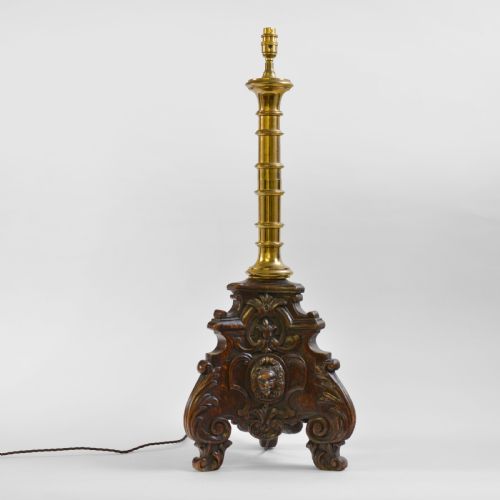


Gothic Wood Lion Carving
A gothic wood lion carving brings formidable presence and historic character into a room, rendered in rich timber with deep architectural detail.
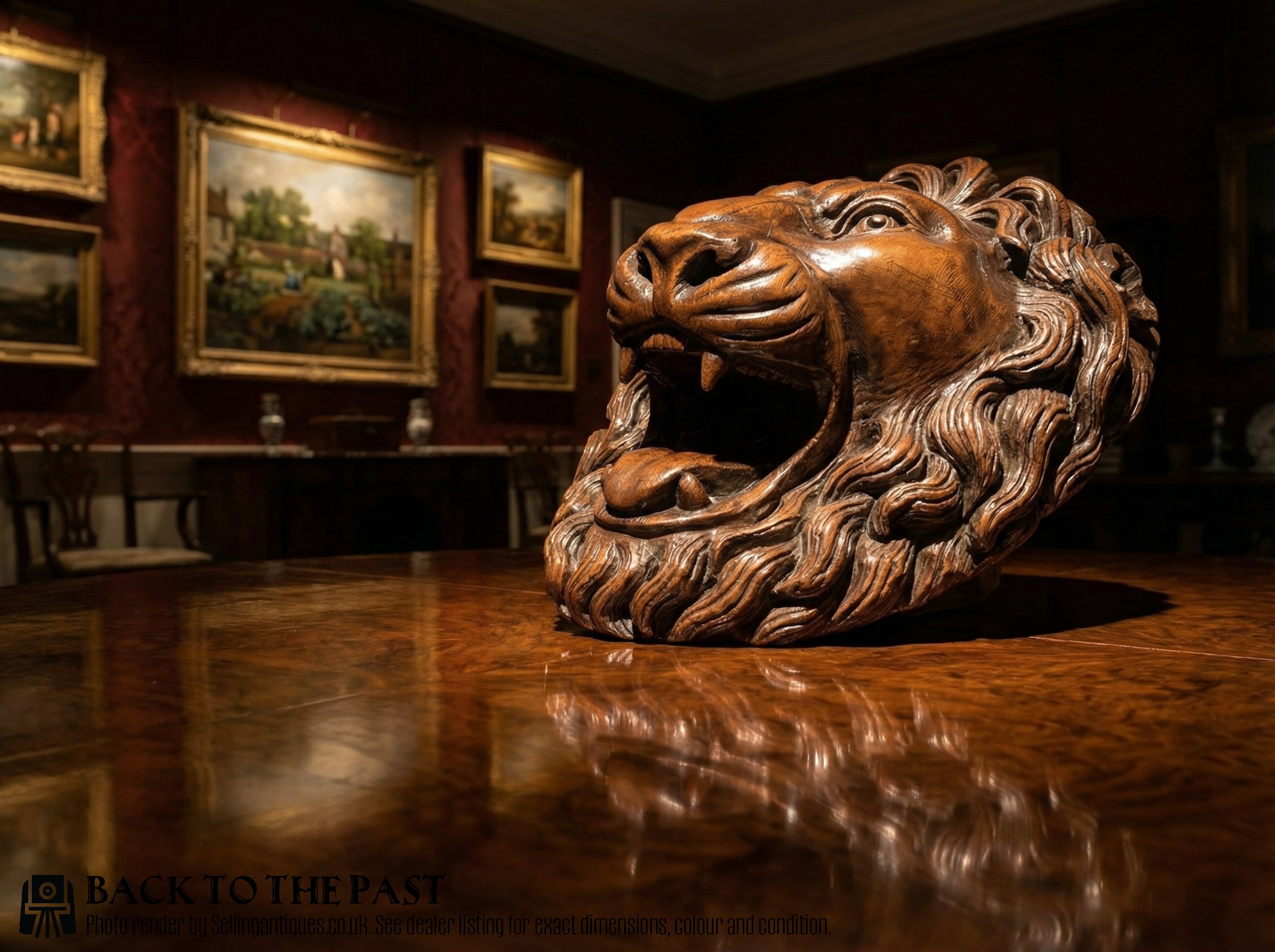
Gothic Wood Lion Carving
A gothic wood lion carving draws on centuries of revival styles and architectural ornamentation found across diverse furnishings. When searching for this phrase, buyers encounter sculptural figures, wall masks, and integrated furniture details shaped from heavy timber.
The pieces on this page span several distinct periods, most notably the nineteenth century alongside seventeenth and twentieth-century examples. Oak and hardwood serve as the primary foundations for these sculptural forms, reflecting traditional cabinetmaking and architectural salvage.
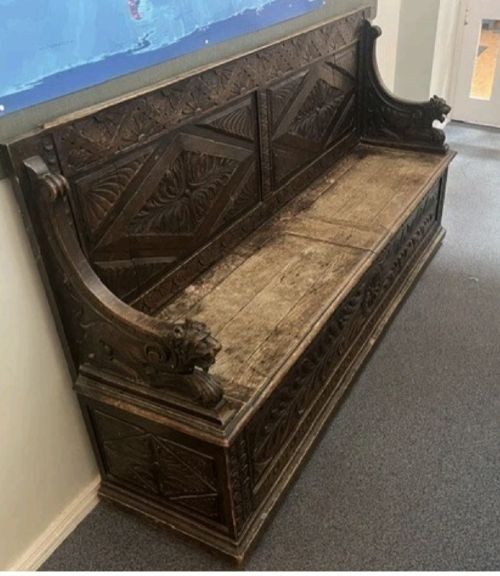
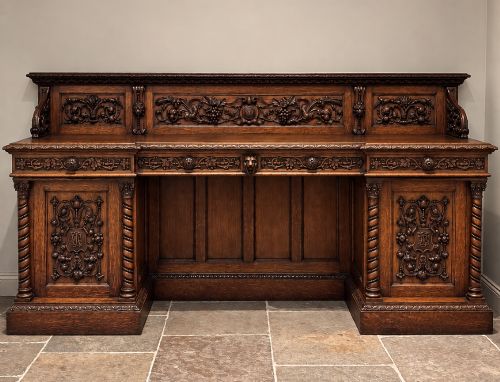
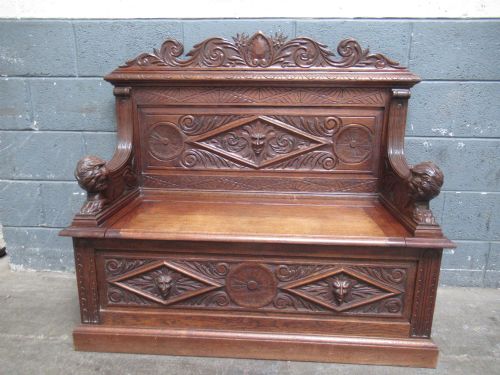
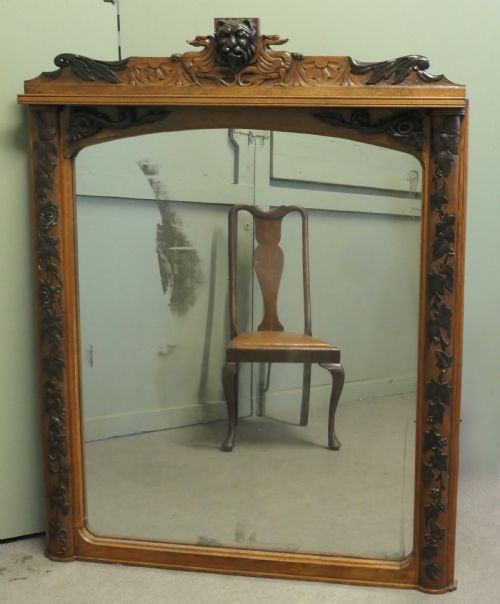
Forms range from standalone animal figures and wall masks to elaborate ornamentation incorporated into sideboards and seating. Each object demonstrates the enduring appeal of medieval and Renaissance motifs reinterpreted by later makers.
Materials and Technique
Makers relied primarily on oak and various dense hardwoods to shape these substantial sculptural elements. Timber selection ensured the material could support deep relief work without splitting along the grain.
Current listings feature items produced in oak, walnut, and hardwood across periods ranging from the seventeenth to the twentieth century.
Assessing Quality
Quality rests entirely in the crispness of the chisel work and the depth of the carving. Superior examples show confident, three-dimensional handling of the mane and expression rather than flat, mechanical surface scoring.
The integrity of the timber dictates the longevity of the piece, with tightly grained oak holding sharper detail than softer woods. Proportion and anatomical balance also separate refined sculptural work from simpler decorative ornaments.
The Gothic Wood Lion Carving Glossary
- Gothic Revival
- An architectural and decorative style popular during the nineteenth century that revived medieval forms. It draws heavily on ecclesiastical motifs and heavy timber construction.
- Hardwood
- Timber derived from broad-leaved trees such as oak and walnut. These dense woods provide the necessary stability for intricate, deep-relief carving.
- Relief
- A sculptural technique where the figures project from a background plane. High relief means the elements stand almost completely free from the support.
- Wall Mask
- A sculptural ornament designed to be mounted directly onto a vertical surface. These architectural faces often depict mythical beasts, lions, or green men.
Gothic Wood Lion Carving: Frequently Asked Questions
How old are these carvings?
The pieces available span from the seventeenth century through to the early twentieth century, reflecting various revival periods. Most examples date from the nineteenth century when Gothic and Renaissance revival styles flourished.
Craftsmen during these later periods frequently utilised earlier timbers or replicated historical styles with great fidelity. Examining the tool marks and the oxidation of the wood helps determine the actual age of each item.
Where were these lions displayed?
These wooden carvings originated as architectural ornaments, furniture components, or standalone decorative statues within grand interiors. Many were integrated directly into large sideboards, wall panels, or seating.
Standalone figures and wall masks served to punctuate wood-panelled rooms or hallways. Their robust presence made them focal points in Victorian and earlier domestic settings.
What wood was used?
Oak is the predominant timber found across these pieces, valued for its strength and rich grain pattern. Walnut and other dense hardwoods also appear in sculptural furniture and decorative ornaments.
These materials were chosen for their ability to hold sharp detail under the carver's chisel. The natural ageing of the timber contributes significantly to the visual depth of the carving.