






Carved Wooden Lion Mask
A carved wooden lion mask brings immediate architectural weight to a room, appearing in forms from architectural salvage to wall carvings.
Carved Wooden Lion Mask
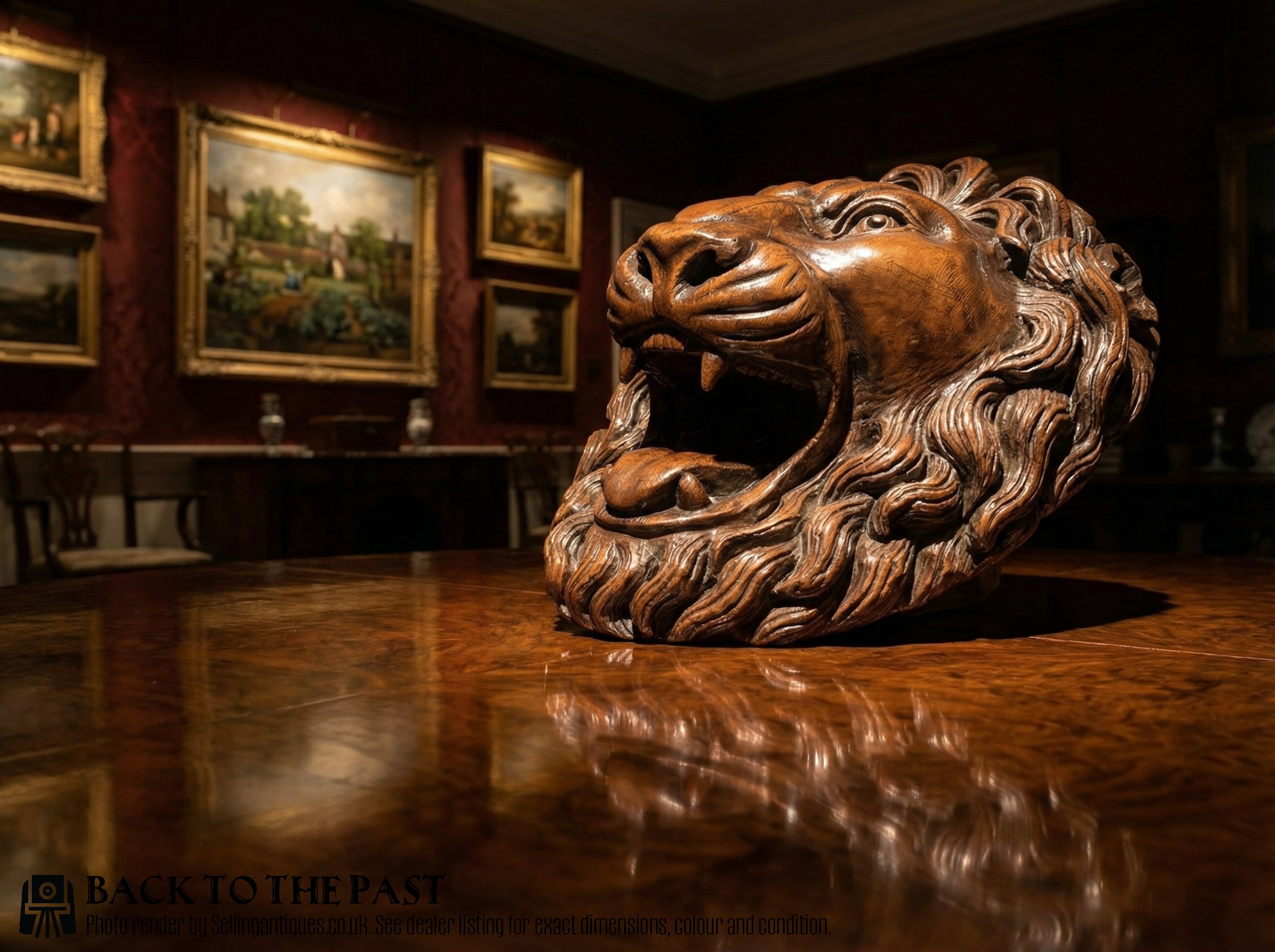
When you search for a carved wooden lion mask, you encounter pieces that function primarily as wall carvings or components of architectural salvage. These items emerge from periods spanning the seventeenth century through to the Edwardian era, capturing diverse regional expressions.
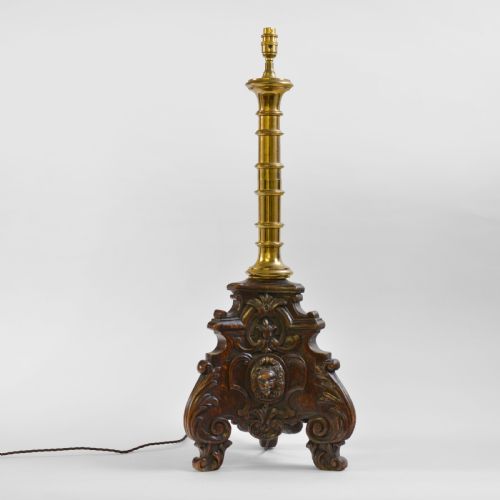
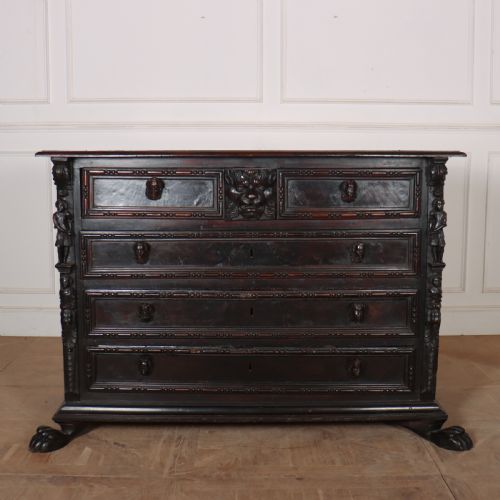
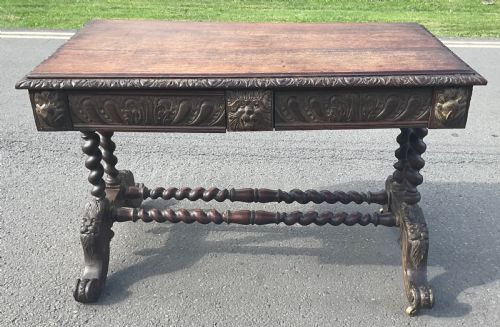
The most direct examples on this page are standalone wall masks carved in walnut or oak. Alongside these, the selections include larger furniture elements and decorative panels where the lion motif integrates into sideboards, wine coolers, and bed posts.
Stylistic influences range from Flemish Baroque and Italian Baroque to Black Forest and Victorian Gothic Revival. This variety shows how different makers adapted the motif to suit domestic furniture and architectural ornamentation over several centuries.
Materials and construction
These items rely principally on hardwoods such as oak, walnut, and mahogany, chosen for their density and suitability for deep carving. Craftsmen also utilised secondary timbers, along with decorative applications of ebony inlay, brass details, and metal studs.
Some lions possess remarkably human expressions, as if the carver grew tired and used a local innkeeper as a model.
Distinctions in quality
Quality depends upon the crispness of the carving and the depth of relief in the wood. Superior examples display confident, articulate work around the eyes, jaw, and mane where the chisel marks reveal a master hand rather than mechanical repetition.
The choice and preservation of the timber also determine the standard of a piece. Well-figured walnut and dense oak retain their structural integrity and surface detail more successfully than softer woods or heavily restored surfaces.
The Carved Wooden Lion Mask Glossary
- Architectural salvage
- Building elements rescued from older structures for reuse or display. These pieces often include carved panels, bed posts, and decorative masks originally integrated into larger buildings.
- Black Forest
- A style of wood carving associated with the mountainous region of central Europe during the nineteenth century. It is known for naturalistic depictions of animals and deep, expressive relief work.
- Flemish Baroque
- An artistic style originating in Flanders during the seventeenth century, characterised by dramatic movement, rich ornamentation, and heavy sculptural forms in oak and other hardwoods.
- Regency
- A British design period spanning the early nineteenth century. It draws heavily on classical Greco-Roman motifs, featuring clean architectural lines alongside dense mahogany and exotic inlay woods.
Carved Wooden Lion Mask: Frequently Asked Questions
How were these lion masks used?
These carved pieces typically functioned as decorative wall ornaments or as integral architectural details on grand furniture.
Craftsmen incorporated them into the facades of sideboards, commodes, and bed posts to project status and classical authority.
What woods are most common?
Oak and walnut appear most frequently across the surviving examples on this page.
These dense hardwoods provided the ideal medium for deep, durable relief carving during the seventeenth, eighteenth, and nineteenth centuries.
How do I date a carving?
Dating relies on identifying the underlying style, such as Flemish Baroque or Victorian Gothic Revival, alongside the tooling marks left in the wood.
The choice of primary timber, whether walnut, oak, or mahogany, also offers strong clues to the period of origin.
Are these pieces purely decorative?
Many function strictly as wall carvings meant for visual display within a room.
Others formed parts of functional items like wine coolers and writing tables, blending utility with decorative sculpture.