

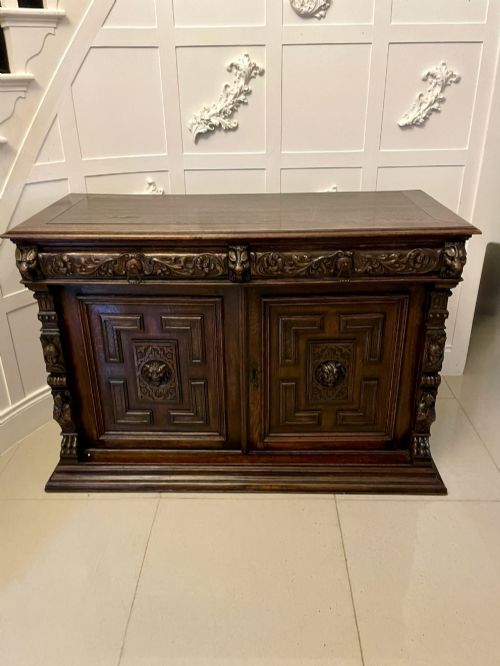
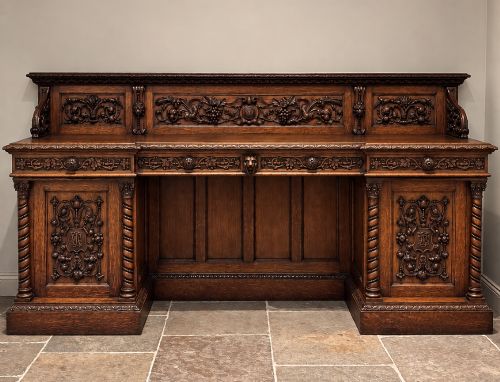
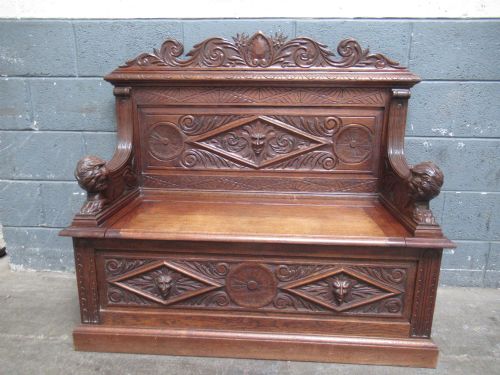
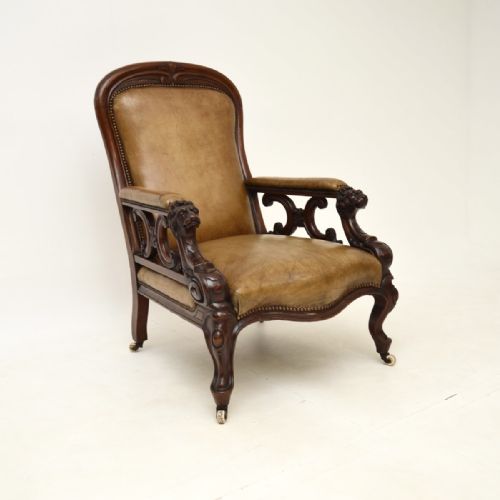


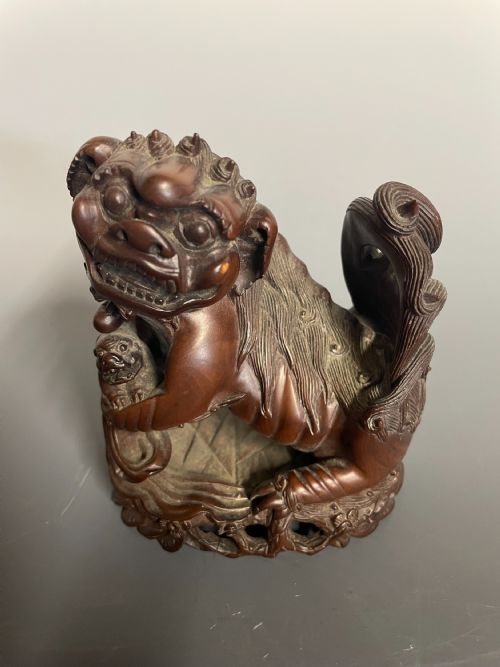


Brown Wood Lion Carving
These brown wood lion carving pieces combine sculptural power and historic timberwork, bringing centuries of animal form into domestic spaces.
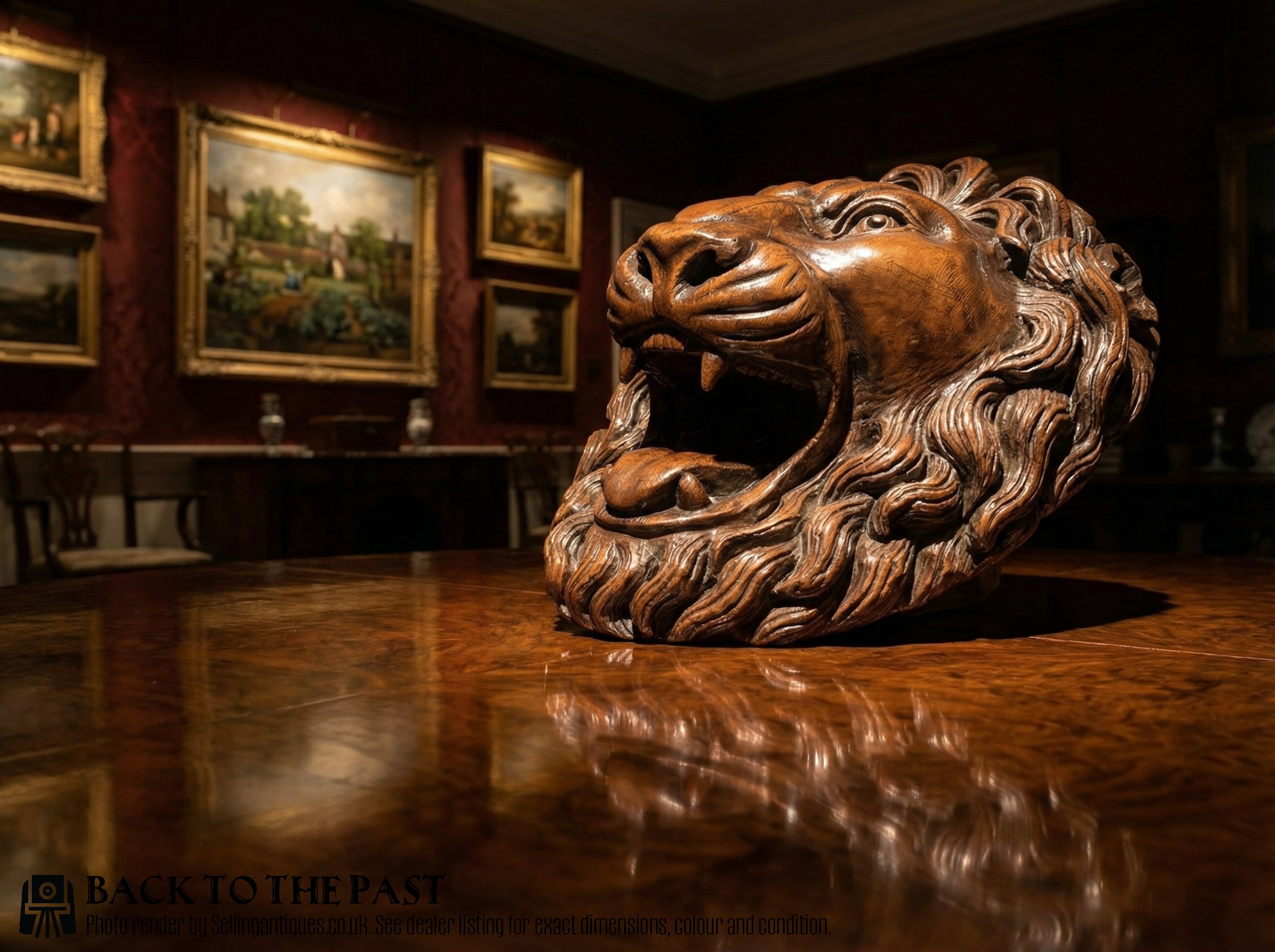
Brown Wood Lion Carving
A brown wood lion carving encompasses various sculptural interpretations of the animal across the nineteenth century and into the Edwardian era. These pieces appear as wall masks, furniture mounts, bookends, and freestanding animal figures.
The selection frequently includes items fashioned from oak, walnut, mahogany, and boxwood, originating from diverse regional traditions such as Black Forest carving and Chinese woodworking. Buyers encounter everything from large architectural elements to detailed decorative ornaments.
Materials and construction methods
Carvers shaped these figures from dense hardwoods like oak, walnut, mahogany, and boxwood, using hand chisels to define the mane, muscular contours, and facial expressions. The natural grain of the timber provides both structural stability and textural depth to the finished surface.
Certain items incorporate secondary materials such as marble bases, brass accents, or leather upholstery, particularly when the carving forms part of a larger armchair or architectural furnishing.
Recorded forms range from furniture elements and bookends to freestanding animal figures and architectural wall masks.
Distinctions in craftsmanship
The choice of timber significantly influences the overall character, with dense hardwoods allowing for sharper edges and finer relief work than softer woods.
Eugene Emile Borga·LUIGI FRULLINI
The Brown Wood Lion Carving Glossary
- Black Forest carving
- A style of nineteenth-century wooden sculpture originating in central Europe, known for realistic animal subjects and deep relief work.
- Boxwood
- A dense, pale hardwood prized by carvers for its fine grain, which permits intricate miniature detail without splitting.
- Medici lion
- A classical sculptural representation of a lion standing with one paw on a sphere, originating from ancient Roman prototypes and revived in later centuries.
- Foo Dog
- A traditional Chinese guardian lion symbol, frequently carved from root wood or boxwood in decorative sculptural forms.
- Wall mask
- A decorative sculptural element designed to be mounted directly onto a vertical surface, depicting a human, animal, or mythological head.
Brown Wood Lion Carving: Frequently Asked Questions
Where were these wooden lions displayed?
These carvings served as architectural ornaments, library bookends, and furniture components within nineteenth-century interiors. They functioned primarily to project strength and decorative refinement in public rooms.
Larger pieces like wall masks and freestanding figures anchored hallways and studies, while smaller decorative ornaments sat atop desks and mantelpieces.
How do I care for wooden carvings?
Maintain stable indoor humidity levels to prevent the hardwood from drying out and splitting over time. Avoid placing the items in direct sunlight.
Dust the carved recesses gently with a soft dry brush to prevent the accumulation of dirt within the fine details of the mane.
What woods were commonly used?
Carvers utilised dense timbers such as oak, walnut, mahogany, and boxwood. These materials provided the necessary strength for detailed chisel work.
Selected items also incorporate exotic woods and root wood, depending on the regional workshop and the specific sculptural tradition.
How do I identify the period?
Dating relies on the tool marks left by the carver, the choice of timber, and the stylistic influence of the period, such as Gothic Revival or Black Forest design.
Comparing the anatomical realism and the mounting hardware against documented nineteenth-century examples helps establish the approximate age.