



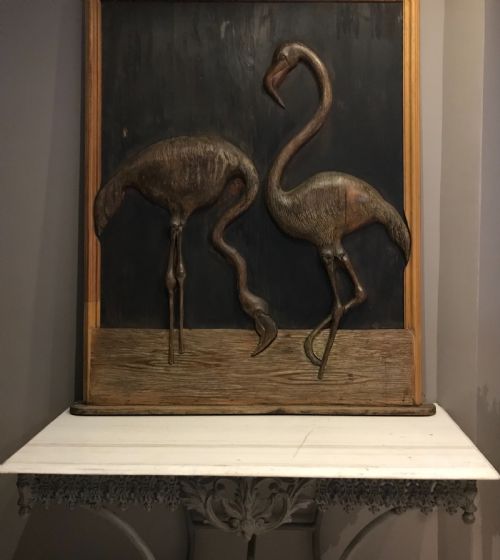

Decorative Carved Wooden Plaque
A decorative carved wooden plaque brings texture and depth to a room, drawing the eye with its intricate relief and varied grain.
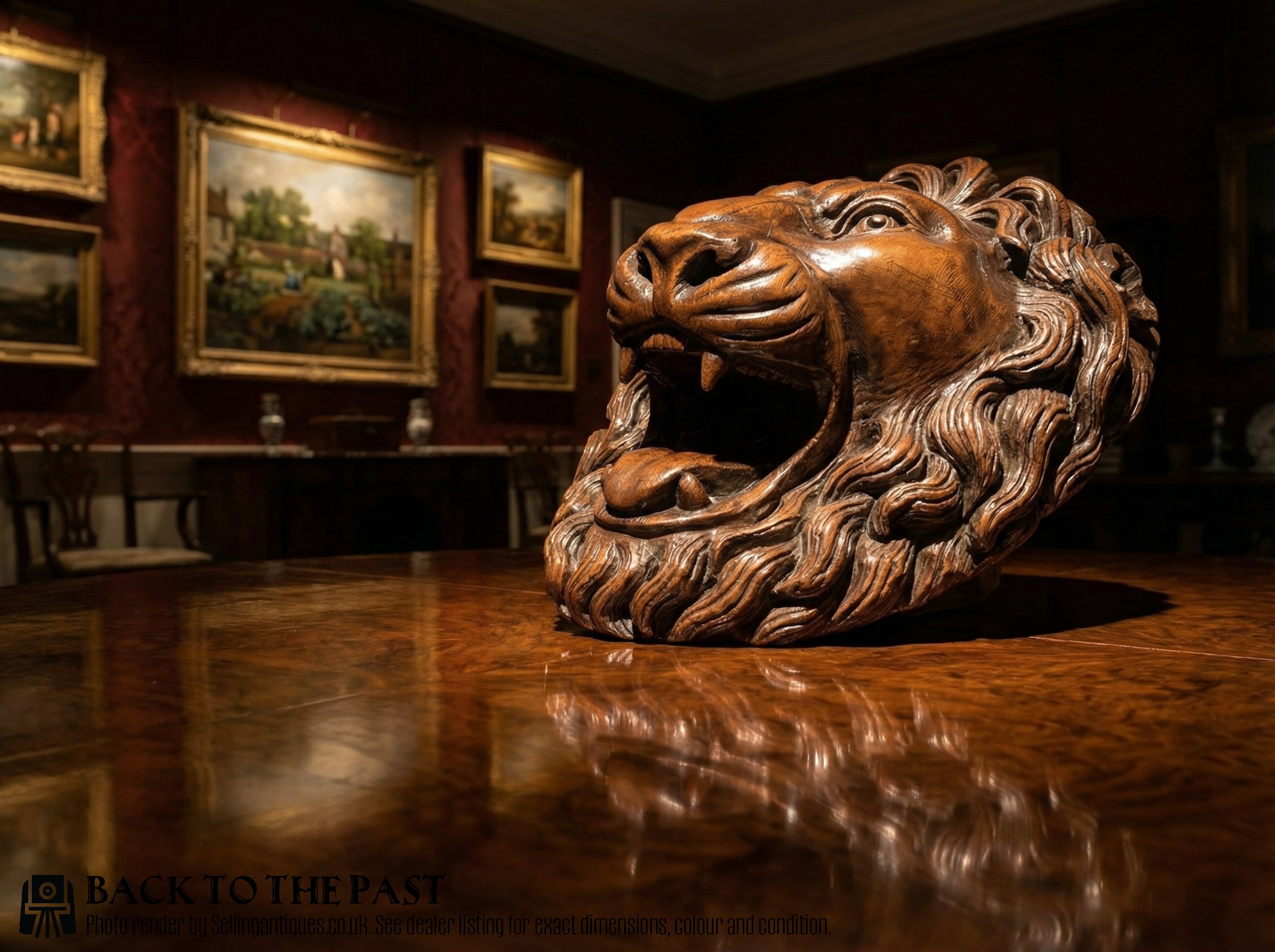
Decorative Carved Wooden Plaque
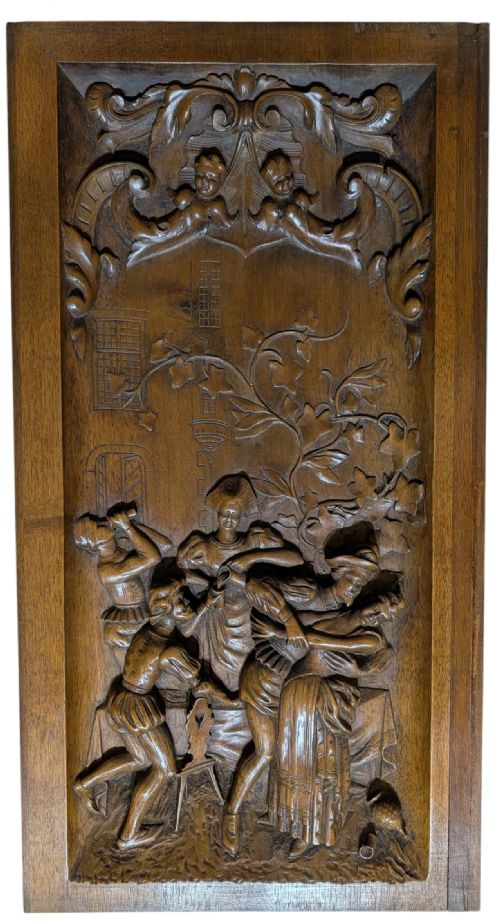
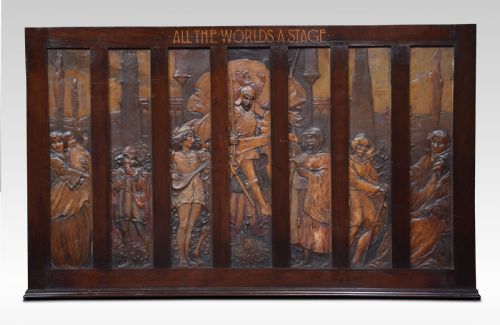
A decorative carved wooden plaque transforms blank interior spaces through three-dimensional relief and rich timber surfaces. These wall hangings and architectural fragments encompass various styles, ranging from Renaissance Revival to Arts and Crafts designs.
The pieces on this page appear in numerous forms, including wall carvings, architectural salvage, and framed panels. Oak and walnut frequently form the foundation of these works, complemented by polychrome paint and intricate inlay.
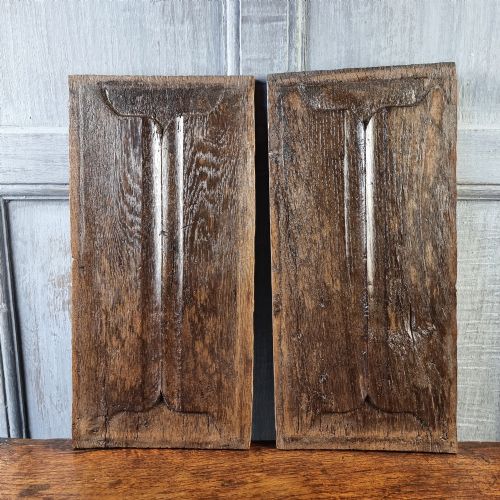
Originating from periods such as the nineteenth century and earlier, these items range from Sicilian cart fragments to Chinese lacquered panels. Buyers encounter both European linenfold panels and Asian pictorial carvings among the selection.
Materials and methods
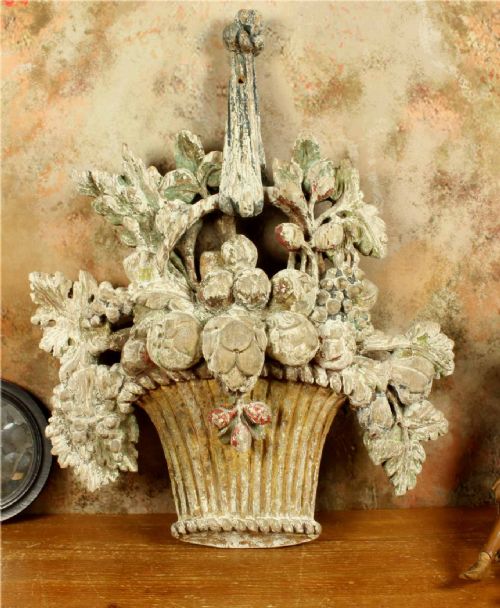
Carvers shaped these panels using dense hardwoods such as oak, walnut, and amboyna, employing chisels and gouges to build up high-relief scenes of flora, fauna, and figurative masks. Some pieces utilise softer woods beneath layers of polychrome paint and coloured pigments.
Surface decoration often involves lacquering and mother-of-pearl or abalone inlay, particularly on Asian export panels, adding shimmering detail to the carved wooden ground. Iron fixtures and framing elements frequently secure these heavy wall reliefs for display.
Listings feature items spanning from the sixteenth century through to the twentieth century, incorporating oak, walnut, lacquer, and polychrome paint.
Markers of quality
The choice of timber and the preservation of original polychrome paint or lacquer heavily influence the standing of each piece. Intact inlay work and stable wooden grounds demonstrate superior historical care.
The Decorative Carved Wooden Plaque Glossary
- Linenfold
- A style of wood carving that imitates folded linen, commonly seen on Tudor and early oak panels.
- Polychrome
- Painted in several colours, often found enhancing the surface relief of European folk art and Asian panels.
- Architectural salvage
- Elements rescued from older buildings, including doors, cart fragments, and decorative friezes adapted for wall display.
- Wall mask
- A sculptural carving depicting a human or animal face, designed to project outward from an architectural surface.
Decorative Carved Wooden Plaque: Frequently Asked Questions
Where should I hang a wooden wall plaque?
These plaques suit principal living areas, hallways, or above mantelpieces where their three-dimensional depth can catch the room's natural light. Ensure the wall structure safely supports the weight of denser hardwoods.
Pairing a large carved panel with simpler surrounding decor allows the intricate grain and relief work to remain the focal point of the wall.
How do I clean an antique wooden plaque?
Dust the carved surfaces gently with a dry, soft-bristled brush to remove particulate matter from deep recesses without disturbing the patina or paint.
Avoid using water, modern detergents, or aerosol polishes, which can seep into unsealed timber or soften historical polychrome pigment.
Are these plaques heavy?
Many pieces consist of solid oak, walnut, or dense tropical hardwoods, making them substantially heavier than standard framed prints or canvas art.
Secure mounting hardware directly into wall studs or utilise appropriate heavy-duty wall anchors rated for the specific weight of the timber.
How do I identify the age of a carved panel?
Examine the rear of the wood for tool marks, oxidation, and signs of hand-sawing, which differ markedly from modern machine-cut timber.
Stylistic cues such as linenfold motifs, Renaissance Revival symmetry, or specific regional folk art painting techniques also help narrow down the period of manufacture.