
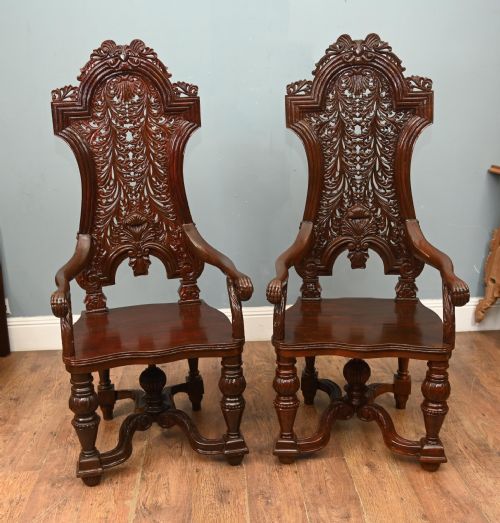


Gothic Style Wooden Chairs
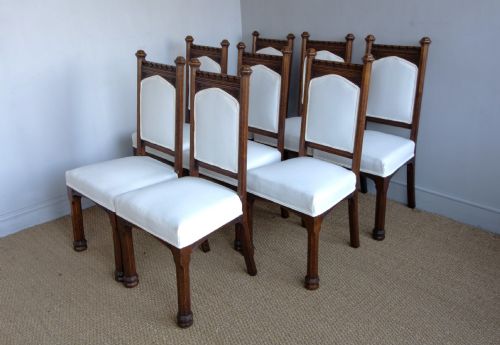
Gothic style wooden chairs bring architectural presence to a room through carved tracery and sturdy timber frames.
Gothic Style Wooden Chairs
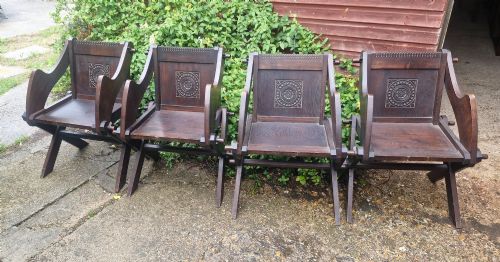
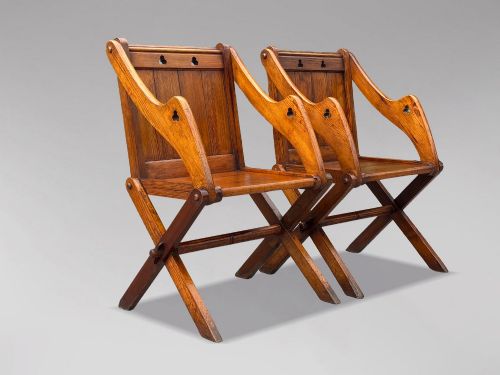
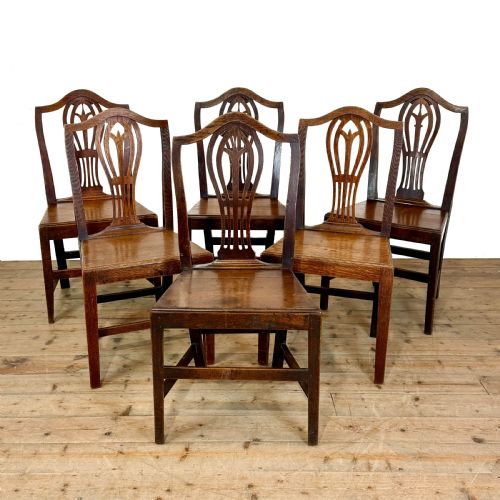
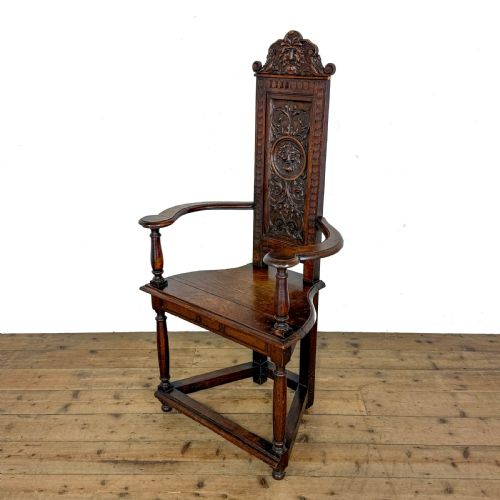
Makers drew on historical models such as the Glastonbury chair and the wainscot chair, adapting medieval joinery and folding X-frame structures for Victorian interiors. Buyers encounter substantial oak and pitch pine armchairs alongside slender hall chairs and matching dining sets.
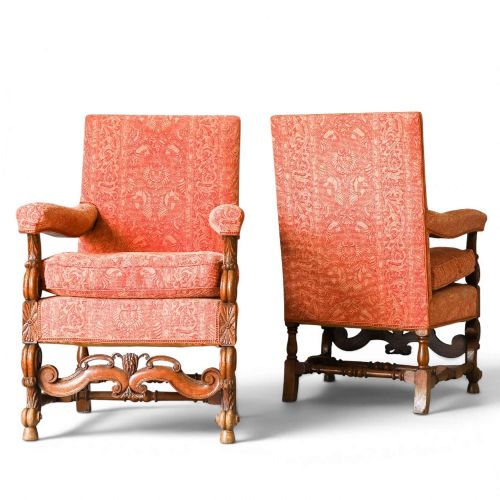
The aesthetic bridges several revival movements, including Victorian Gothic, Jacobean Revival, and French Renaissance Revival. These pieces reflect a nineteenth-century fascination with medieval design, executed in robust timbers intended for prominent domestic and ecclesiastical settings.
Construction and Materials
Carpenters relied primarily on English oak and pitch pine, joining heavy timber components with traditional mortise and tenon construction to support intricate hand-carved decoration. Secondary materials such as mahogany, walnut, and hardwood appear in specific regional or period interpretations.
Surface enrichment relied on chiselled relief work, turning, and panel construction rather than applied veneer, creating deep relief across backs and arms. Occasional metal elements like brass fixings or iron structural supports reinforce folding mechanisms and adjustable piano stools.
Oak and pitch pine dominate the timber selection across these listings, alongside occasional examples in mahogany, walnut, and hardwood.
Judging Quality and Execution
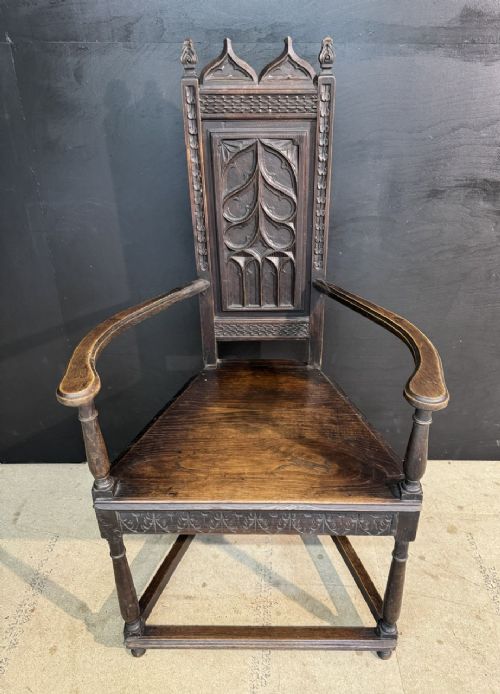
Superior examples reveal crisp, deep hand-carving that defines tracery, linenfold panels, and heraldic motifs without the shallow softness found in hurried production. The integration of structural joinery dictates stability, distinguishing heavily pinned frames from weaker modern alterations.
Timber selection and grain figure elevate certain pieces, particularly where quarter-sawn oak displays medullary rays across wide seat panels and tall backrests. Proportion and historical fidelity separate scholarly nineteenth-century revivals from generic decorative seating.
The Gothic Style Wooden Chairs Glossary
- Glastonbury chair
- A pegged wooden armchair with a sloping panel back and intersecting X-frame legs, often associated with ecclesiastical and Gothic revival design.
- Wainscot chair
- A heavy wooden armchair constructed with panelled backrests and solid box seats, rooted in seventeenth-century domestic joinery.
- Sgabello
- A light wooden side chair originating in the Italian Renaissance, featuring a supportive backrest and solid trestle supports instead of legs.
- Gargoyle
- A grotesque carved stone or wooden spout or ornament, appearing on nineteenth-century revival seating as figurative arm terminals or crestings.
- Tracery
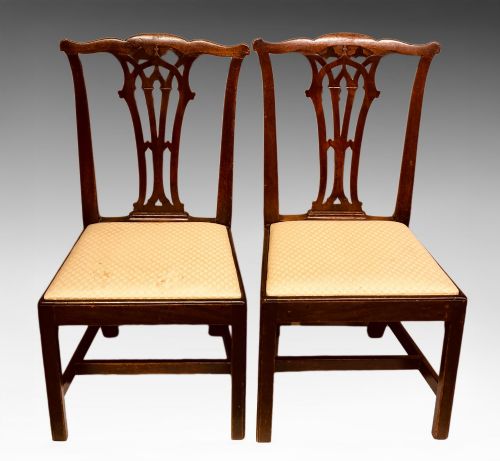
- Ornamental stone or wooden intersecting ribwork associated with Gothic windows, translated by cabinetmakers into pierced chair splats and crest rails.
Gothic Style Wooden Chairs: Frequently Asked Questions
Where should I place a Gothic style wooden chair?
These substantial seats function effectively as solitary focal points in hallways, studies, or living rooms where their architectural woodwork can be appreciated. Tall throne chairs and elbow chairs suit corners or spaces with high ceilings.
Matching dining sets integrate naturally around large wooden tables, while smaller side chairs and hall chairs serve as occasional seating in bedrooms or landings.
How do I care for antique oak and pitch pine?
Maintain timber surfaces by applying a traditional beeswax polish sparingly and buffing with a soft cloth to preserve the natural lustre of the wood. Avoid placing wooden furniture near direct heat sources or in fluctuating humidity.
Protect seats upholstered in fabric or cane by avoiding excessive weight and keeping them away from prolonged direct sunlight.
Are these chairs comfortable for daily use?
Many nineteenth-century revival models were built for formal display or upright posture rather than relaxed lounging. Solid wood seats and rigid panel backs encourage an upright sitting position.
Upholstered variations and armchairs with wider proportions offer more relaxed seating for extended periods at a dining table or desk.
How can I tell a Victorian revival chair from an earlier piece?
Nineteenth-century Gothic revival furniture typically exhibits machine-assisted preparation combined with hand-finishing, alongside distinct Victorian timber treatments and pitch pine construction. True seventeenth-century examples display distinct tool marks, hand-split timbers, and wear patterns characteristic of centuries of use.
Examining the underside of seats and the internal joinery helps reveal the age of the fixings and assembly methods.