






Victorian Church Hall Chairs
Victorian church hall chairs bring robust ecclesiastical character and Gothic Revival architecture straight into domestic rooms.
Victorian Church Hall Chairs
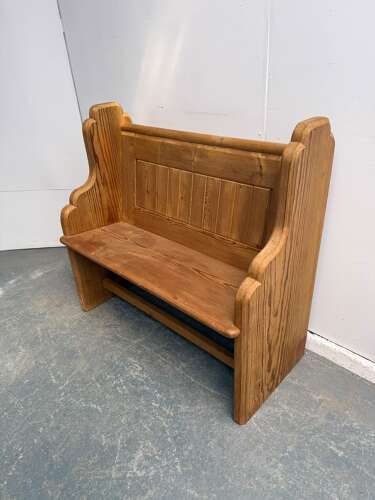
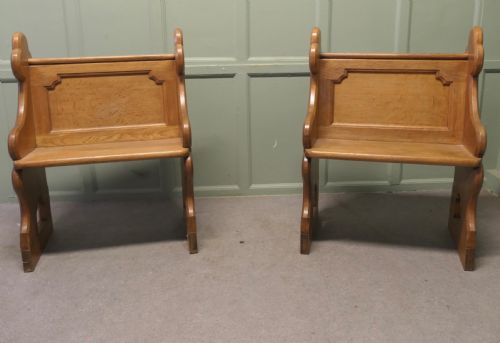
Victorian church hall chairs combine architectural presence with functional seating built for ecclesiastical and institutional spaces. When you search for victorian church hall chairs, you encounter sturdy pieces designed to withstand heavy daily use in chapels, cathedrals, and parish halls.
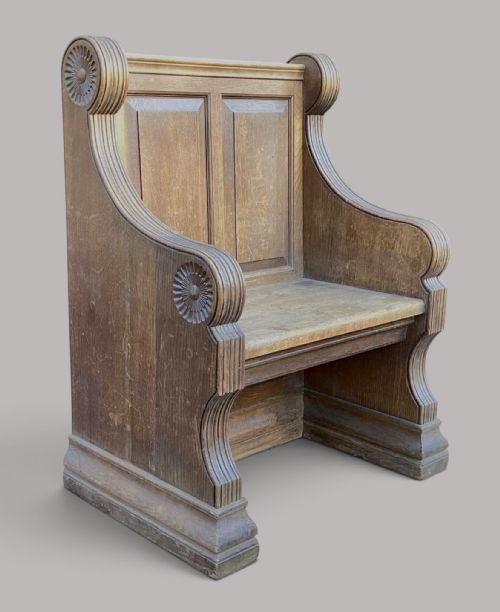
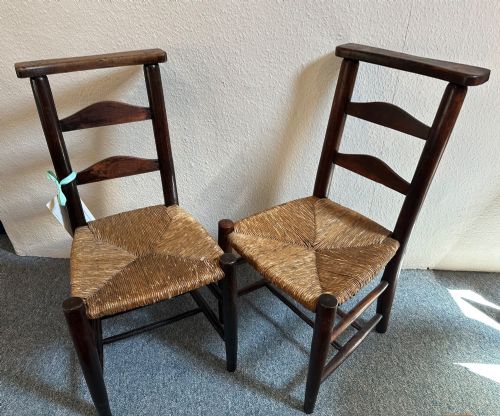
Makers utilised timber such as oak, pitch pine, and standard pine to construct these robust items. Details like carved architectural elements, engraved plaques, and occasional rush or tapestry fabric upholstery distinguish individual pieces.
How they were made
Cabinet makers and joiners relied primarily on solid hardwoods and conifers like oak and pitch pine to ensure structural longevity. Carpenters frequently waxed the timber surfaces to protect the wood while highlighting natural grain patterns.
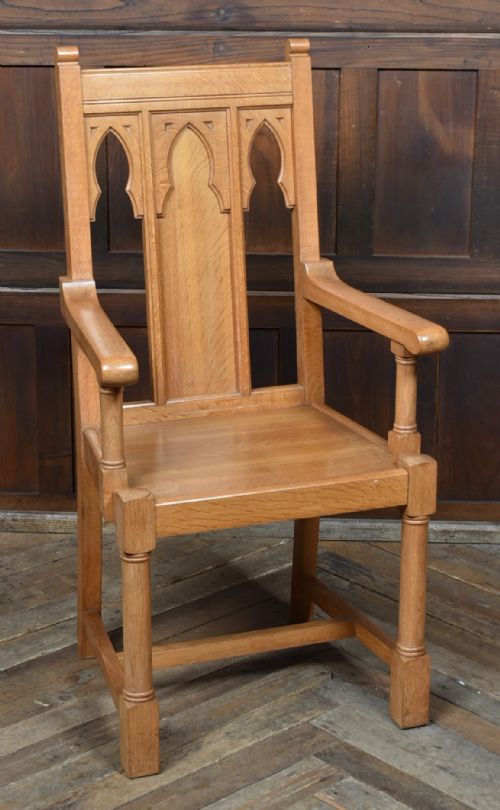
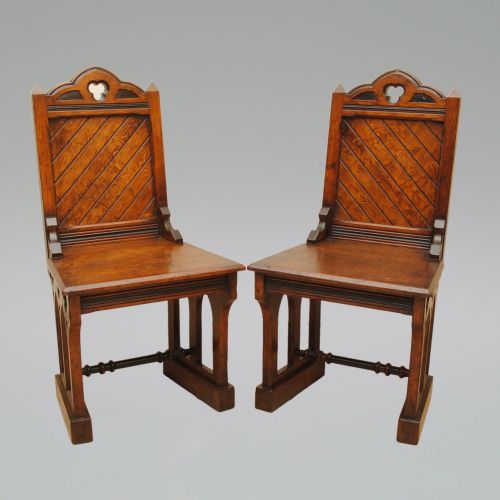
Construction techniques emphasise architectural forms, utilising solid joinery suited for ecclesiastical environments. Specific items incorporate carved ornamentation reflecting Victorian Gothic Revival and Flemish stylistic influences.
Victorian Church Hall Chairs Retail Price Guide 2026
Typical asking prices for victorian church hall chairs among the pieces listed under this phrase on Sellingantiques today, from the lower quarter to the upper quarter. They describe what is for sale here now, not the wider market.
One stubborn oak chair carries an engraved plaque, refusing to let its nineteenth-century cathedral secrets slip away.
What varies in quality
Quality diverges significantly between standard utilitarian seating and pieces commissioned for specific cathedrals or prominent architectural schemes. Items bearing direct provenance marks, such as those from St Paul's Cathedral, demonstrate higher institutional importance.
The sophistication of the carving and the choice of timber create clear distinctions across the range. Solid oak frames with detailed Gothic tracery or architectural forms occupy the upper tier compared to simpler pine variants.
St Paul's Cathedral London
The Victorian Church Hall Chairs Glossary
- Gothic Revival
- An architectural and design movement drawing inspiration from medieval forms. Pointed arches and vertical lines dominate pieces built in this style.
- Pitch Pine
- A dense, resinous softwood commonly utilised during the nineteenth century for durable interior woodwork and ecclesiastical furniture.
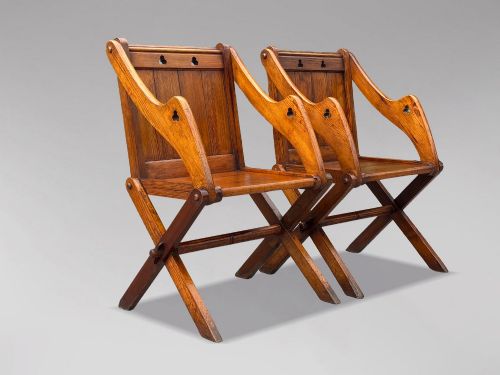
- Glastonbury Armchair
- A traditional folding chair design with X-framed legs and a sloping backrest. This form was frequently adopted by nineteenth-century Gothic Revival makers.
- Chapel Throne
- An imposing armchair with elevated back architecture designed for clergy use. These pieces often feature prominent carving and substantial timber proportions.
Victorian Church Hall Chairs: Frequently Asked Questions
Where were these chairs originally used?
These chairs served congregations, clergy, and visitors within churches, cathedrals, and parish halls throughout the nineteenth century.
Institutional spaces required durable seating that could withstand heavy daily gatherings while reflecting architectural solemnity.
How do I identify a Gothic Revival piece?
Look for architectural details such as pointed arches, quatrefoils, and vertical lines reminiscent of medieval stone buildings.
Cabinet makers applied these motifs directly to the timber frames and backrests of chairs and benches.
What woods are most common?
Pitch pine and solid oak appear most frequently across these nineteenth-century ecclesiastical listings.
Joiners selected these timbers for their structural strength and ability to endure decades of institutional use.
How can I style them at home?
Their architectural forms suit entrance halls, dining spaces, or studies where strong vertical lines add character.
Pairing a single hall seat or armchair with contemporary interiors creates a deliberate contrast in texture and period.