






Brown Pitch Pine Seating
Brown pitch pine seating brings robust nineteenth-century character into modern rooms through heavy timber forms designed to endure.
Brown Pitch Pine Seating
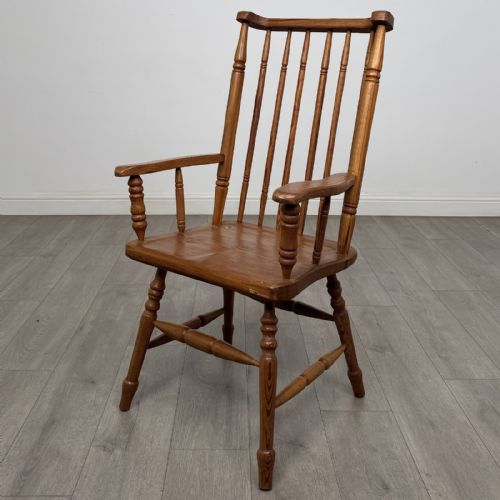
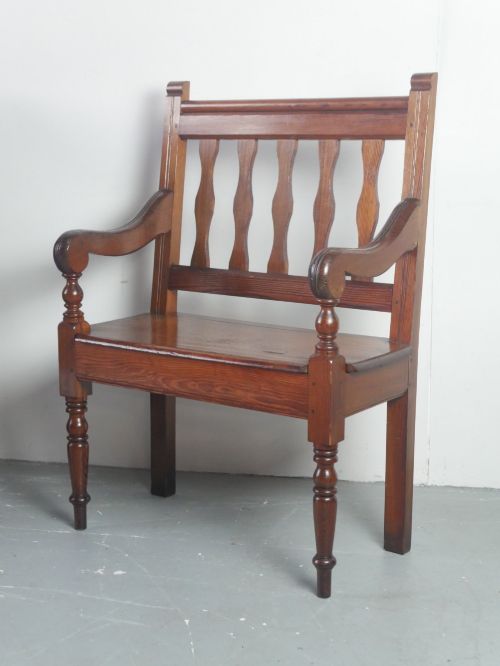
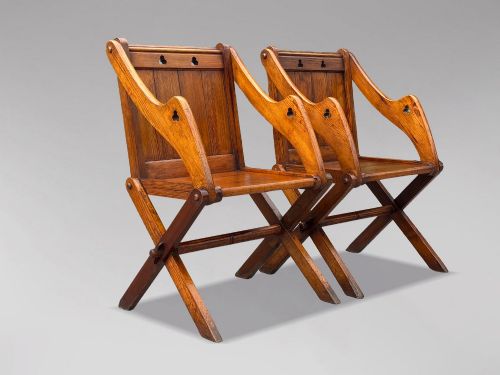
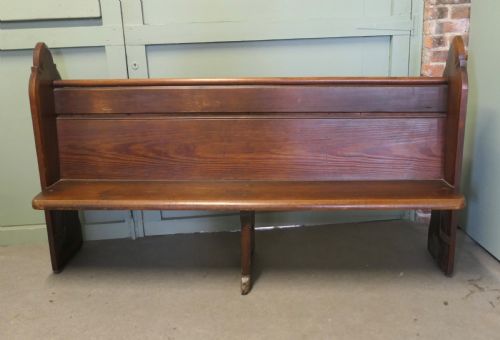
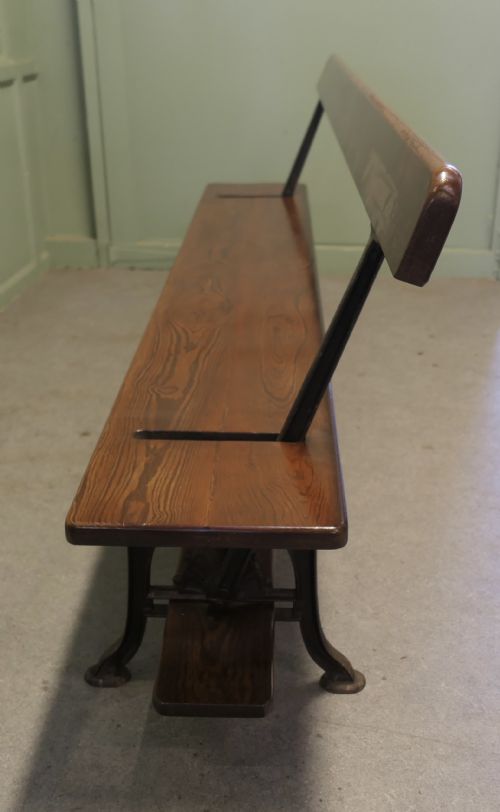
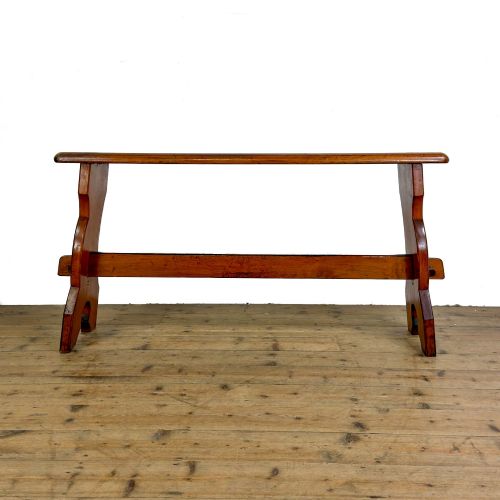
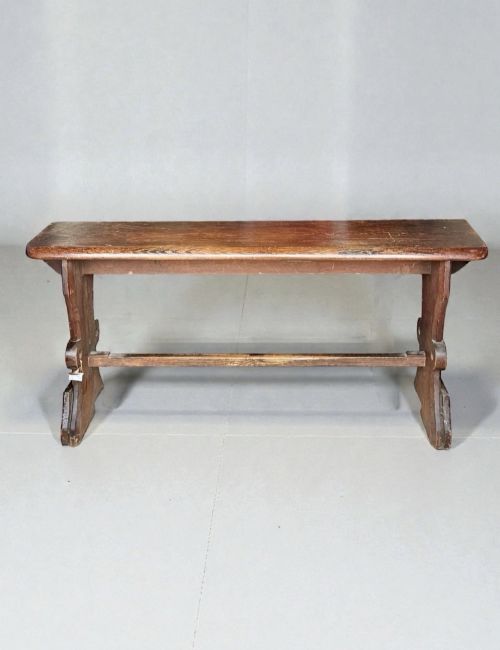
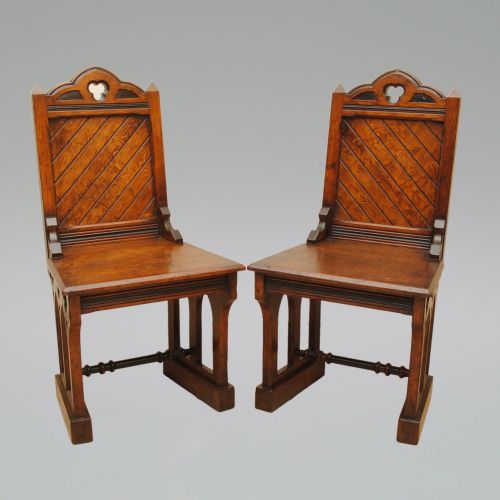
Brown pitch pine seating spans heavy ecclesiastical pews, architectural hall chairs, and utilitarian transport benches originating across the Victorian era. Buyers searching for brown pitch pine seating typically encounter church benches, Glastonbury armchairs, and railway or tram seating built from dense resinous softwood.
Forms range from simple side chairs and low footstools to grand throne chairs and pairs of Gothic hall benches. The architectural influence remains strong, with most items drawing directly from ecclesiastical or industrial settings of the nineteenth century.
How they were made
Carpenters utilised dense pitch pine timber known for its prominent grain pattern and heavy resin content, often combining the wood with cast iron frames in industrial transport or railway seating. Metal studs and upholstery fabric appear on specific upholstered variants, while structural integrity relies on traditional joinery.
The aesthetic leans heavily into Victorian Gothic and Arts and Crafts movements, displaying pointed arches, chamfered framing, and sturdy pegged joints. Surfaces often show the natural warm brown tones of aged resinous pine without heavy surface staining.
Brown Pitch Pine Seating Retail Price Guide 2026
Typical asking prices for brown pitch pine seating among the pieces listed under this phrase on Sellingantiques today, from the lower quarter to the upper quarter. They describe what is for sale here now, not the wider market.
Some benches spent their earlier lives swaying aboard Victorian tramways before finding retirement in quiet domestic hallways.
What varies in quality
Quality rests in the prominence of the timber grain, the crispness of architectural carving in Gothic revival examples, and the integrity of the original construction. Pieces retain greater appeal when the dense resinous wood displays deep natural figuring rather than plain utility surfaces.
Proportion and scale dictate the distinction between standard utilitarian seating and high-status ecclesiastical or domestic pieces. Well-balanced proportions in church pews and Glastonbury armchairs elevate standard pine joinery into distinguished furnishing.
The Brown Pitch Pine Seating Glossary
- Pitch pine
- A dense, resinous softwood timber prized for durability and prominent grain patterns. It was widely utilised in nineteenth-century architectural and ecclesiastical joinery.
- Glastonbury armchair
- A distinctive chair type with X-framed legs and a sloping panel back. This medieval revival form gained popularity during the Victorian Gothic movement.
- Gothic Revival
- An architectural and decorative style drawing on medieval forms. It is characterised by pointed arches, trefoils, and heavy timber construction.
- Ecclesiastical furniture
- Items specifically manufactured for churches and chapels. These pieces include pews, choir stalls, and throne chairs built for communal spaces.
Brown Pitch Pine Seating: Frequently Asked Questions
What is pitch pine?
Pitch pine is a heavy, durable softwood containing high amounts of natural resin. This resin gives the wood its distinctively rich brown tone and prominent grain.
Carpenters favoured the timber during the nineteenth century for furniture that required exceptional strength, such as church pews and institutional seating.
Where were these benches used?
These seats originate from diverse nineteenth-century settings including churches, chapels, railway carriages, and large entrance halls. Ecclesiastical pews and throne chairs served sacred spaces, while tram benches fulfilled public transit needs.
Domestic versions like hall chairs and Glastonbury armchairs furnished the corridors and reception rooms of Victorian homes.
How do I date these items?
Dating relies on stylistic markers from the Victorian era alongside construction techniques. Pieces featuring Gothic Revival motifs usually align with nineteenth-century church building and furnishing campaigns.
Industrial pieces often correspond to the expansion of Victorian transport networks and public transit systems.
Are these seats comfortable?
Pitch pine seating is structurally rigid, built for upright posture in public buildings and transit networks. Church pews and hall chairs prioritise durability and architectural presence over cushioning.
Footstools, upholstered variants, and broad armchairs offer softer interaction, though most examples remain firm timber forms.