






Gothic Revival Sculpture
Gothic revival sculpture brings medieval architecture and religious devotion into nineteenth-century interiors through cast metals and carved woods.
Gothic Revival Sculpture
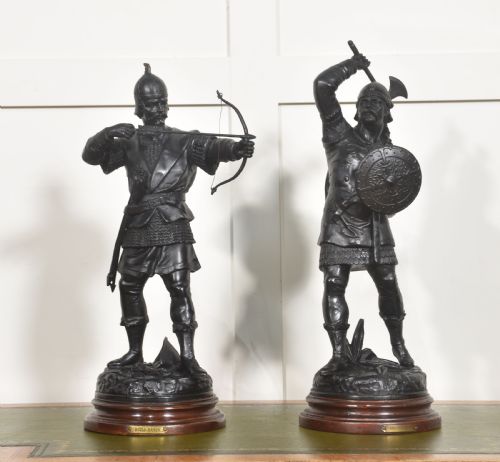
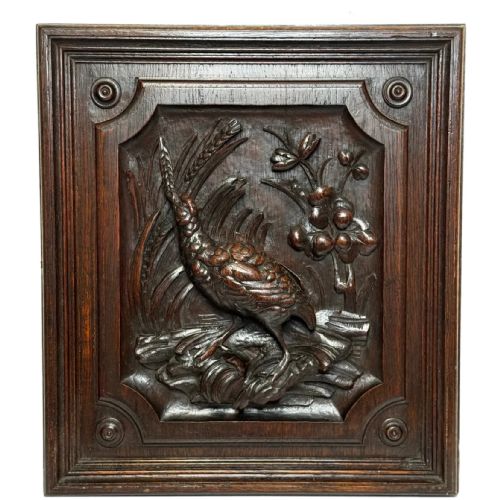
Gothic revival sculpture draws upon medieval forms, saints, knights, and heraldic motifs interpreted through nineteenth-century historicism and Victorian design. These pieces range from architectural salvage and wall panels to freestanding figures in bronze, spelter, and carved timber.
Makers and sculptors of the era applied meticulous detail to subjects like St. Paul, Joan of Arc, and architectural models of places such as Ely Cathedral. Buyers encounter both monumental cast metal figures and intimate carved wood studies intended for domestic display.
Materials and methods
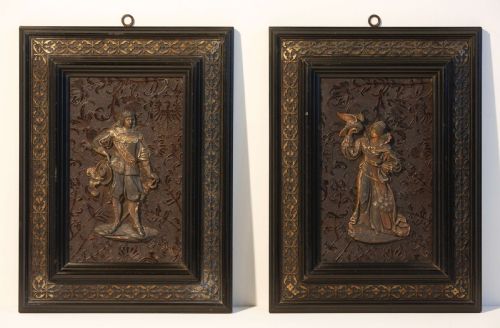
Wood is a predominant medium, utilising tiger oak, pine, and walnut carved into deep relief panels, architectural carvings, and figurative statues. Artisans employed traditional hand-carving techniques to achieve intricate textures on subjects like heraldic shields and religious figures.
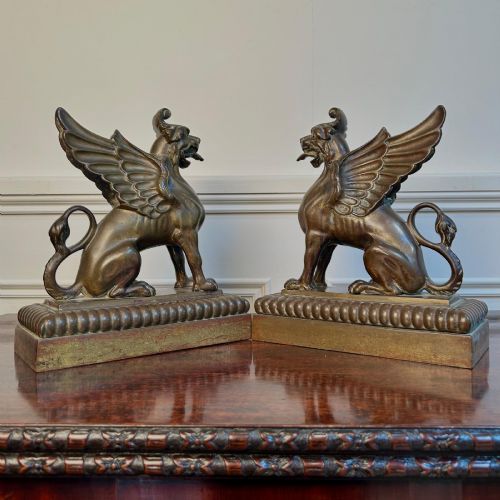
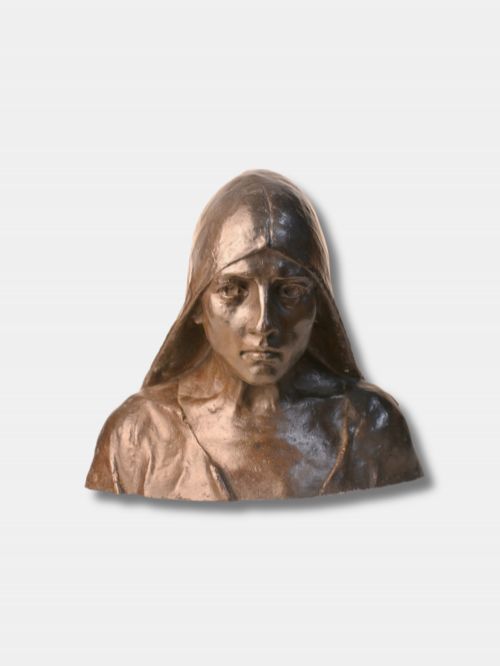
Metalwork relies on casting bronze, spelter, and white metal, often enhanced with patination, gilding, or bronzed finishes. These metallic processes allowed workshops to produce sharp details on knight figures, griffins, and relief plaques with durable results.
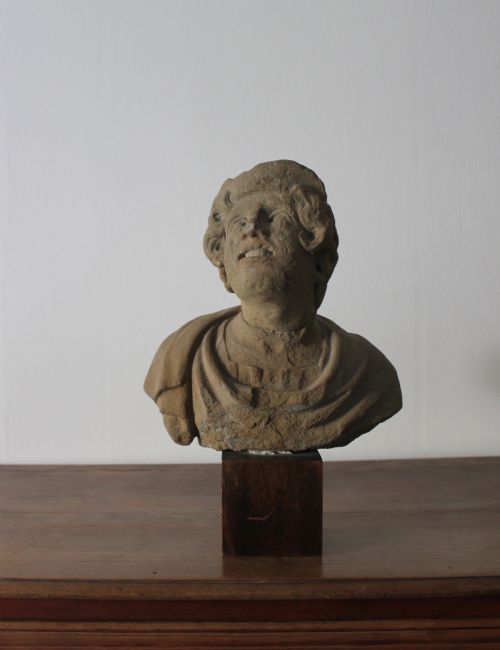
Materials range widely from carved oak and sandstone to cast bronze, spelter, and leathermaché architectural decorations.
Judging quality
The integrity of the material and the sophistication of the design dictate value. Pieces aligned with specific design movements, such as Pugin-inspired oak panels or signed works by known bronze sculptors, demonstrate superior artistic ambition.
Emile Jespers·Louis Francois Fremiet·Rouillard Angers
The Gothic Revival Sculpture Glossary
- Spelter
- An alloy primarily of zinc, commonly cast into figures and candlesticks during the nineteenth century to simulate more expensive bronze. It takes patination well but is softer and lighter than true bronze.
- Gesso
- A plaster-like mixture applied to wood or other surfaces as a base for painting or gilding. It allows for smooth decorative finishes on architectural elements and panels.
- Tiger oak
- Quarter-sawn oak displaying prominent medullary rays that produce a distinctive tiger-stripe pattern. Cabinet makers favoured this timber for its strength and decorative grain during the Victorian era.
- Architectural salvage
- Elements rescued from demolished buildings, churches, or monuments. These carved stones, wooden panels, and structural fragments are repurposed as decorative wall art.
- Patination
- The surface alteration or coloration developed through age, handling, or chemical treatment applied by the maker. A desirable patina adds depth and character to metals and woods.
Gothic Revival Sculpture: Frequently Asked Questions
What subjects do these sculptures depict?
The pieces frequently portray medieval figures, Christian saints, archangels, and chivalric knights. Heraldic crests and architectural models also feature prominently among the carvings.
These subjects reflect the nineteenth-century fascination with medieval faith, chivalry, and Gothic architecture. Makers drew direct inspiration from cathedral stonework and ecclesiastical iconography.
Where were these pieces displayed originally?
Many items were created for Victorian homes designed in the Gothic taste, serving as study panels, mantel ornaments, or lecterns. Others originated as architectural decorations for ecclesiastical or civic buildings.
Owners often integrated them into libraries, halls, and domestic chapels to project an aura of historical lineage and scholarly piety. Today, they suit similar traditional or eclectic interior schemes.
How do I distinguish wood types used?
Oak is generally heavy with a visible, coarse grain, often seen in deep relief panels and ecclesiastical furniture. Walnut and pine offer different weights and grain patterns, with pine providing a softer surface for detailed figural carving.
Examining the grain under good light reveals the species. Tiger oak is immediately identifiable by its distinct flaking figure produced during quarter-sawing.
Are bronze and spelter items heavy?
Bronze figures are remarkably dense and heavy due to the solid metal content of the casting. Spelter sculptures are lighter because the zinc-based alloy has a lower specific gravity.
Lifting the piece usually clarifies the metal composition. Spelter may also show grey metal beneath worn patination spots.