



Gothic Revival Pendant
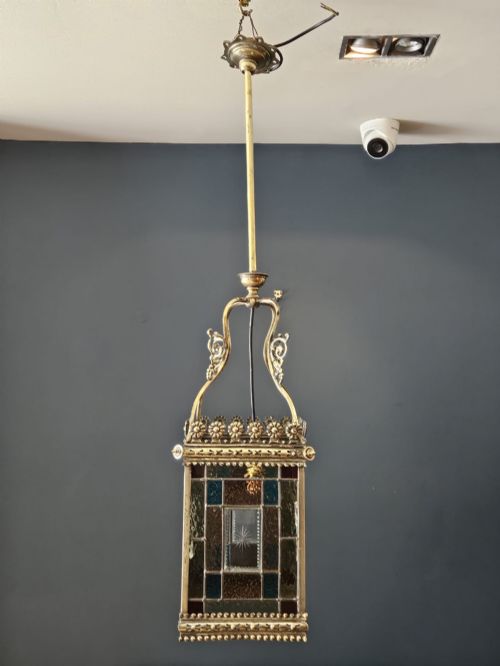
These gothic revival pendant fixtures bring ecclesiastical grandeur and architectural weight to domestic halls and rooms through brass frames and coloured glass.
Gothic Revival Pendant
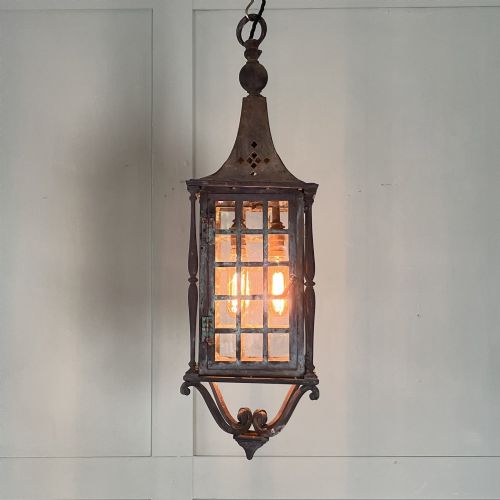
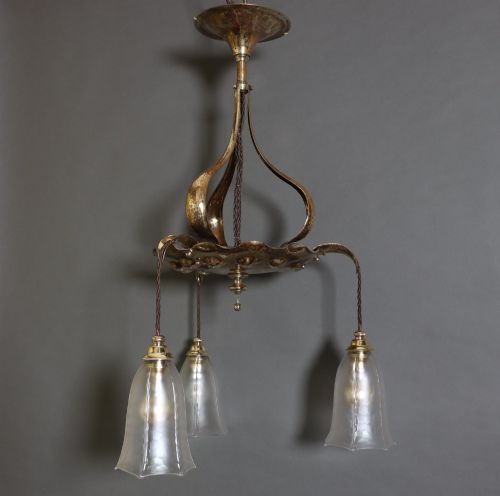
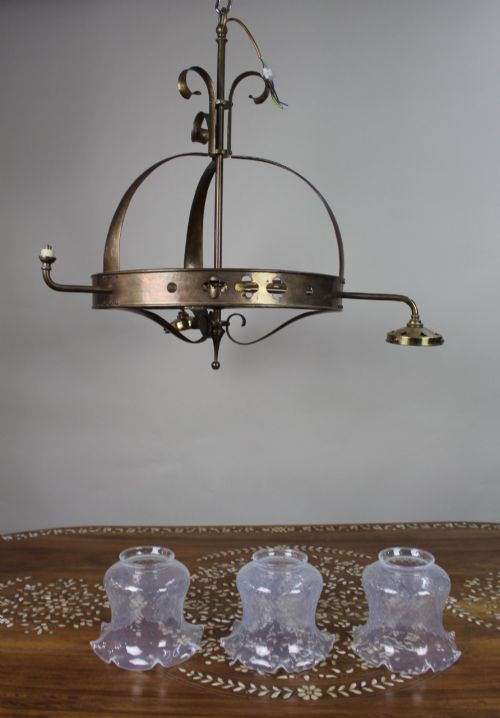
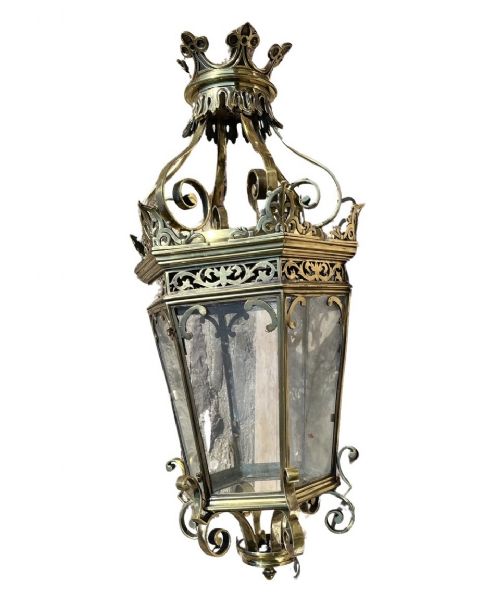
A gothic revival pendant typically takes the form of a brass or bronze lantern, a multi-branched chandelier, or a hanging corona light designed to evoke medieval architecture. These pieces emerge predominantly from the Victorian and Edwardian eras, spanning the nineteenth and early twentieth centuries.
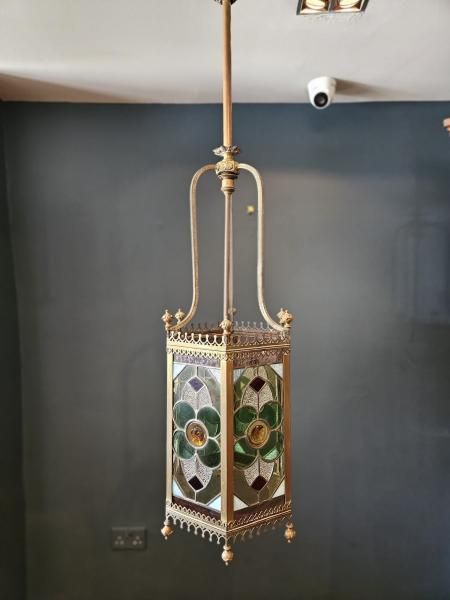
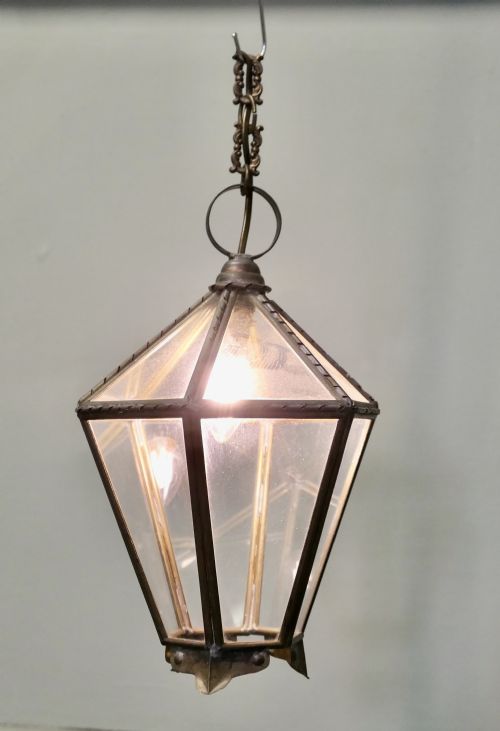
The version most commonly met on this page is the brass-framed hall lantern or ceiling light, often featuring leaded or coloured glass panes. Pieces align with Victorian Gothic, Arts and Crafts, and Aesthetic period sensibilities, translating ecclesiastical metalwork into domestic lighting.
Materials and construction
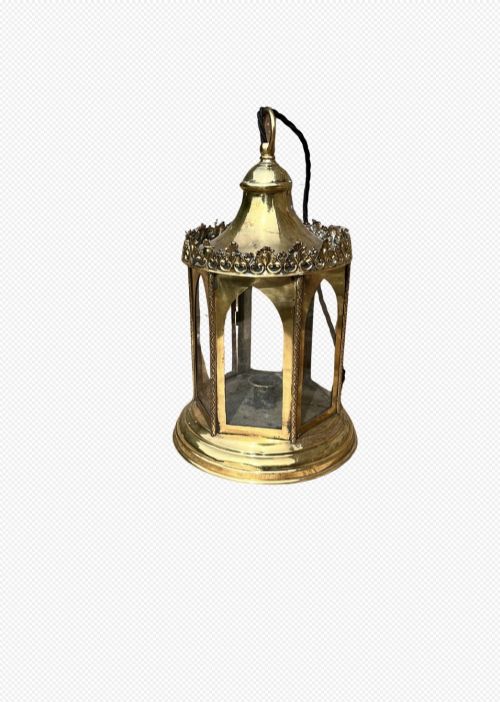
Makers utilised cast and wrought brass, bronze, and gilt or gilded brass to form the structural skeletons of these pendants, occasionally employing cast iron or copper. These metals provided the necessary strength to support heavy lantern frames and multi-branch chandeliers.
Glass elements range from plain leaded panes to opalescent, dimpled, and coloured glass panels that soften and diffuse the light. Metalwork was frequently assembled by hand, incorporating hinges, doors, and decorative strapwork reminiscent of medieval ironmongery.
Quality variations in hanging lights
The distinction between standard and superior pieces rests on the weight of the metal casting and the crispness of the architectural detailing. Heavier brass frames with intricate tracery and well-fitted glass demonstrate superior craftsmanship compared to simpler, lighter assemblies.
Quality also manifests in the ambition of the design, such as bespoke ecclesiastical chandeliers by known makers versus standard commercial hall lanterns. Finer examples retain integrated suspension hardware and retain the original surface patination of the bronze or brass.
Joseph Wilmotte
The Gothic Revival Pendant Glossary
- Corona
- A circular hanging light fixture resembling a crown, suspended by chains. This form derives from medieval ecclesiastical lighting.
- Gasolier
- A multi-branched lighting fixture designed to burn gas, frequently converted to electricity later. These fixtures combine heavy brass construction with decorative glass shades.
- Leaded glass
- Individual pieces of glass joined together by lead cames to form windows or lantern panels. This technique allows for geometric patterns and coloured designs.
- Ecclesiastical
- Relating to the Christian church or clergy, describing designs influenced by medieval church architecture. Such pieces often feature pointed arches and quatrefoil motifs.
Gothic Revival Pendant: Frequently Asked Questions
How do I clean a brass lantern?
Dust the metal gently with a soft, dry cloth to preserve the existing surface patination.
Avoid using harsh chemical polishes that strip away the aged character accumulated over the decades.
Can these lights be wired for electricity?
Most antique hanging lanterns and chandeliers accommodate modern electrical wiring with professional adaptation.
Consult a qualified electrician to ensure the internal components meet current safety standards while preserving original fittings.
Where should I hang a hall lantern?
These pendants suit entrance halls, stairwells, and high-ceilinged reception rooms where their architectural presence commands space.
Ensure adequate ceiling clearance so the lower edge clears foot traffic comfortably.
How do I date a brass chandelier?
Examine the construction methods, screw types, and mounting hardware for clues to the period of manufacture. Victorian and Edwardian examples often display distinct casting techniques and heavier metal gauges than later reproductions.