





Vintage Metal Lantern
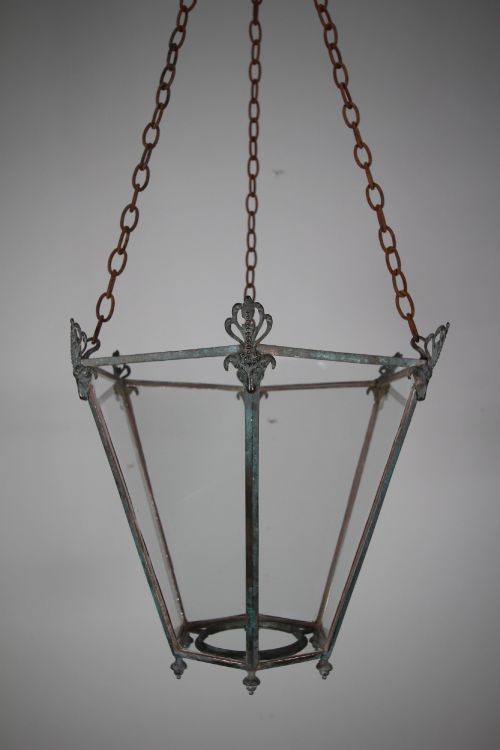
A vintage metal lantern brings architectural character and period charm to an interior or hallway.
Vintage Metal Lantern
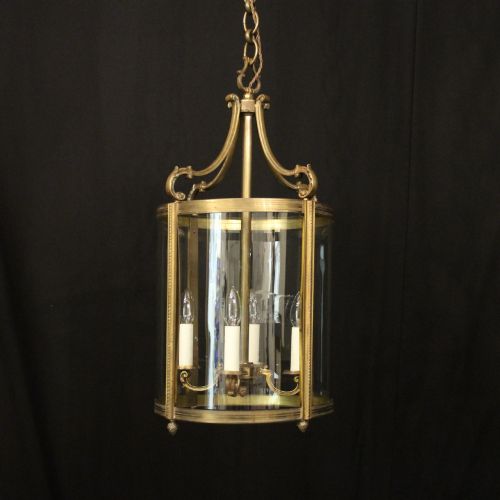
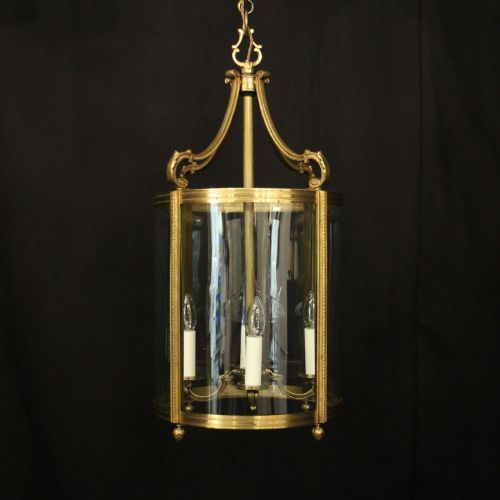
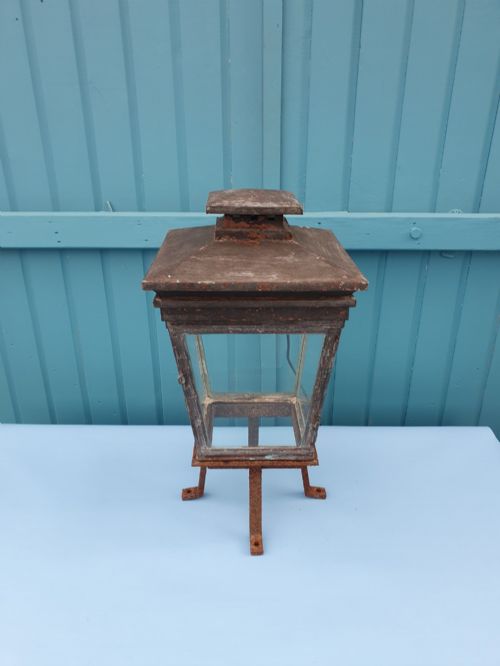
When you search for a vintage metal lantern, you encounter a diverse array of lighting forms originating from the nineteenth and twentieth centuries. These encompass hall lanterns, pendant lights, ceiling fixtures, and wall-mounted exterior lamps designed for practical illumination.
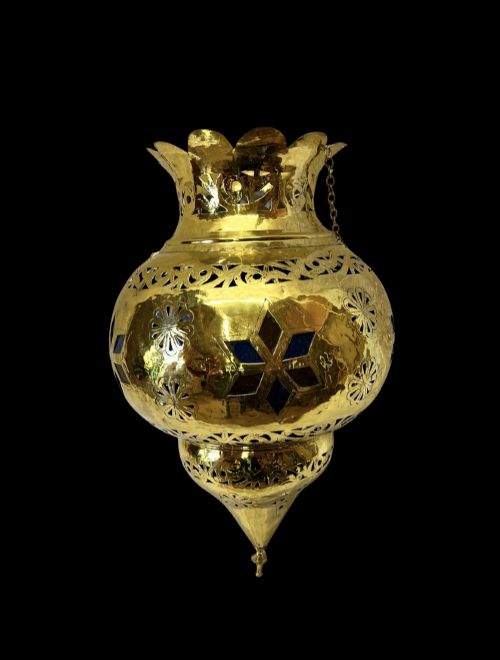
Originating across Britain, France, and North Africa, these fixtures span Victorian, Edwardian, Gothic Revival, and Art Deco aesthetics. Buyers choose them to anchor a historic interior scheme with genuine period atmosphere.
How they were made
Construction relies heavily on structural metals such as brass, copper, wrought iron, cast iron, steel, and gilded or ormolu bronze. Artisans shaped these materials through casting, forging, and piercing to create robust frames capable of housing glass panels.
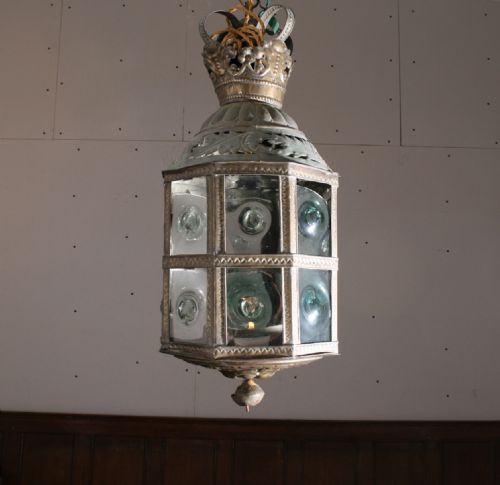
Glazing techniques include hand-blown bull's eye glass, bevelled panes, and heavy prisms designed to refract light effectively. Many outdoor and railway variants utilise protective metal housings welded or riveted to withstand weather and transit.
Earlier examples often show evidence of conversion from gas or oil operation to modern electricity. Metalwork finishes range from polished brass and silver gilding to patinated iron and weathered copper.
Vintage Metal Lantern Retail Price Guide 2026
Typical asking prices for vintage metal lantern among the pieces listed under this phrase on Sellingantiques today, from the lower quarter to the upper quarter. They describe what is for sale here now, not the wider market.
The site's listings feature materials spanning brass, copper, wrought iron, cast iron, steel, and gilded bronze across Victorian, Edwardian, and Art Deco periods.
What varies in quality
Quality rests upon the weight and integrity of the metalwork, distinguishing heavy cast bronze or hand-forged wrought iron from lighter pressed sheet metal. Finer French hall lanterns exhibit crisp chasing and substantial gilding rather than thin surface plating.
The glass components significantly influence the standard of a piece, with hand-blown bull's eye panes, deep bevelling, and thick original prisms commanding greater appreciation. Uniformity in matching pairs and the retention of original mounting brackets also elevate a fixture's standing.
The Vintage Metal Lantern Glossary
- Hall lantern
- A ceiling-hung lighting fixture designed specifically for entrance vestibules and corridors. These often feature decorative bronze or brass frames with glass panels.
- Coaching lamp
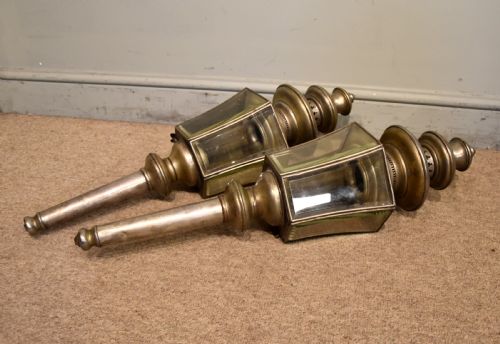
- A weather-resistant exterior light originally mounted to horse-drawn carriages before transitioning to doorways and porches. They typically employ copper, brass, or iron construction.
- Convex glass
- Curved glass panes used in lantern construction to diffuse light and provide a distinctive rounded silhouette. This technique appears frequently in French hall lanterns.
- Ormolu
- Gilded bronze produced by applying a mercury-gold amalgam to cast bronze. This finish yields a rich, warm metallic lustre seen on decorative period lighting.
- Pierced brass
- Metal sheet perforated with intricate decorative patterns to allow light to filter through. This technique is characteristic of Moorish and North African lighting designs.
Vintage Metal Lantern: Frequently Asked Questions
Can these outdoor lanterns withstand modern weather?
Many of these fixtures, such as coaching lamps and porch lights, were originally built for exterior use in all conditions.
Buyers should verify the current weatherproofing and electrical IP rating with individual dealers before outdoor installation.
How do I hang a heavy bronze lantern?
Substantial fixtures made from cast bronze or wrought iron require secure joist anchoring rather than standard plasterboard fixings.
Professional installation by a qualified electrician ensures the weight is safely supported.
Are these lanterns still wired for oil or gas?
While historical pieces like railway lamps and Victorian carriage lights utilised oil or gas, the vast majority available now are converted to electricity.
Listings specify whether a piece retains its original burner or has been rewired for modern interior use.
How do I identify a French hall lantern?
French hall lanterns typically display refined gilded bronze frames, ornate casting, and convex or bevelled glass panels reflecting classical design influences.
They contrast with the utilitarian construction of British railway or industrial lighting.