



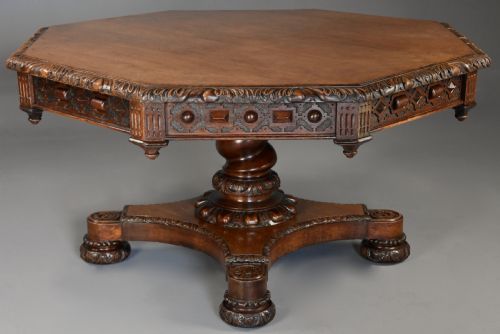
Gothic Revival Pedestal Table
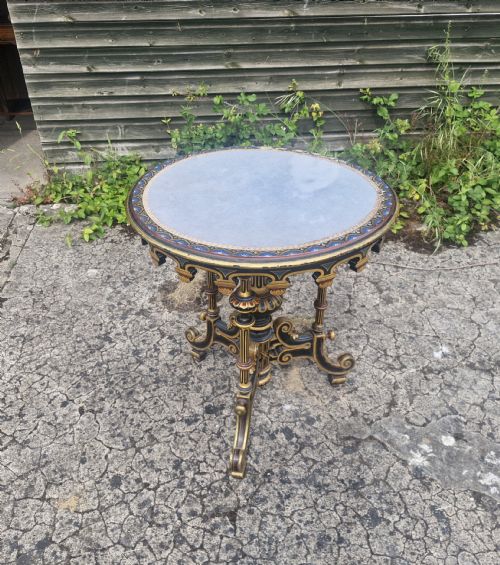
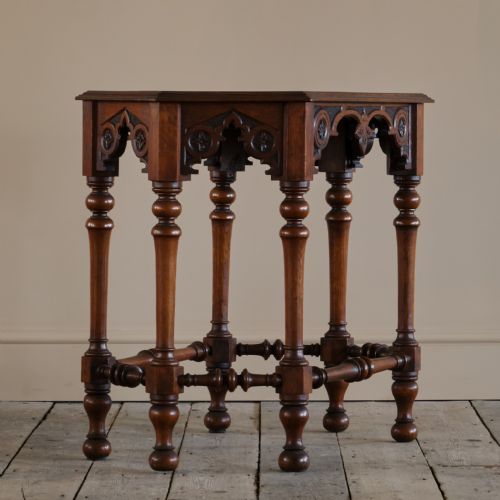
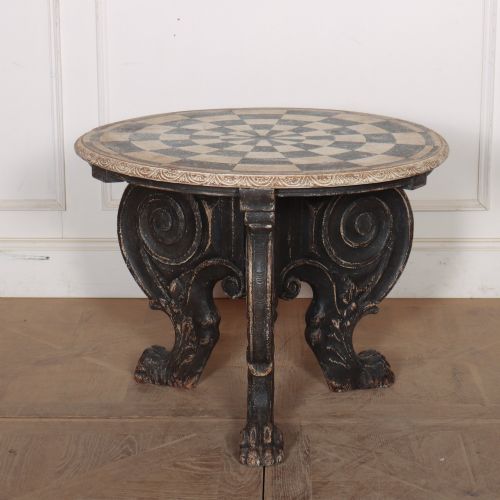
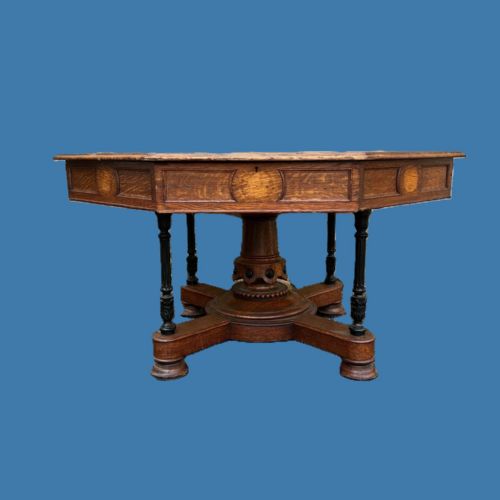
These gothic revival pedestal table examples bring structural drama and rich architectural carving straight from nineteenth-century interiors into modern rooms.
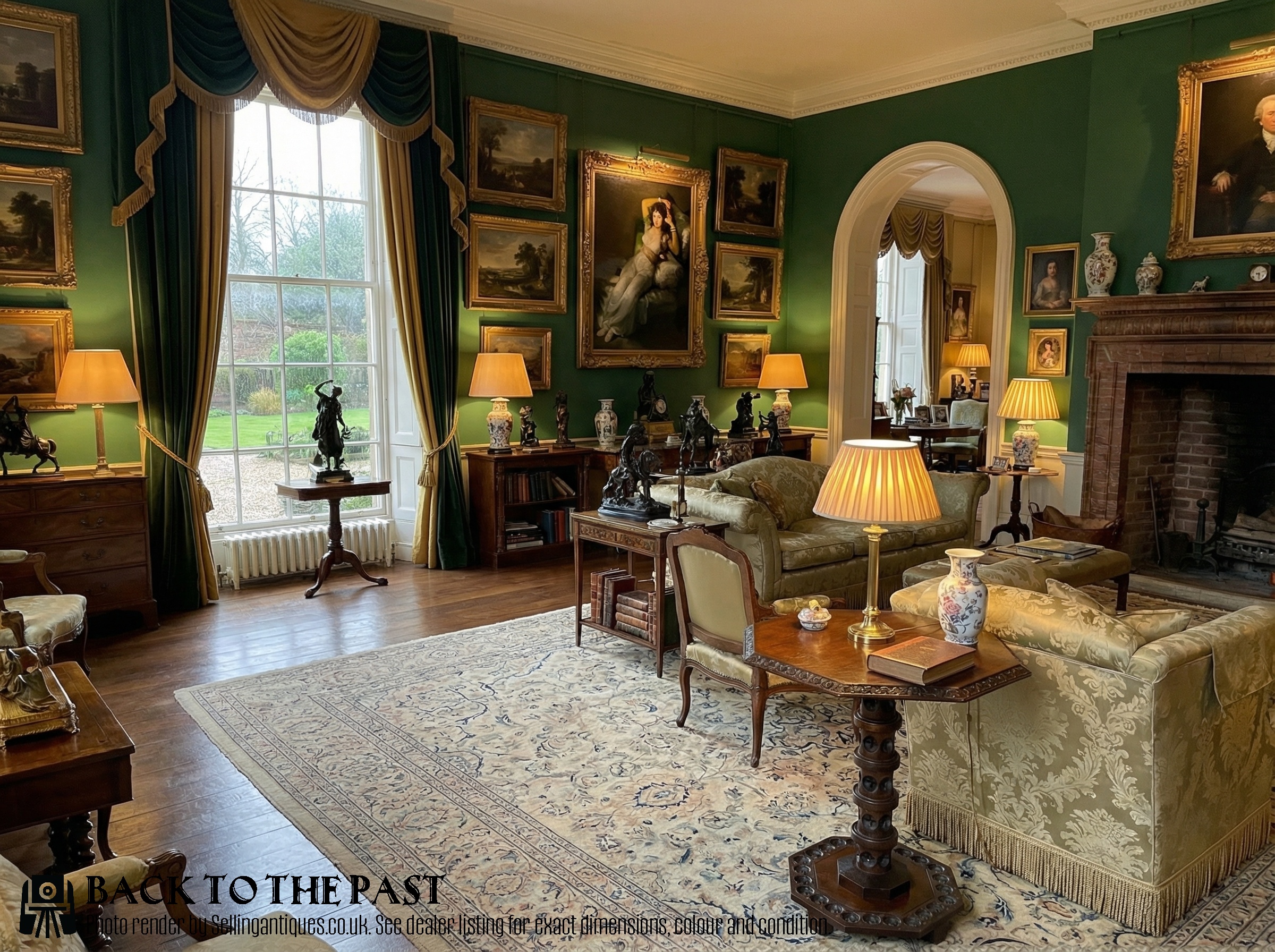
Gothic Revival Pedestal Table
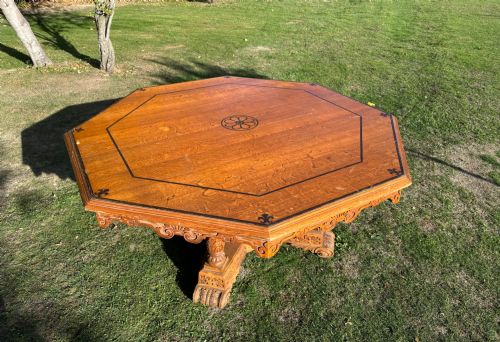
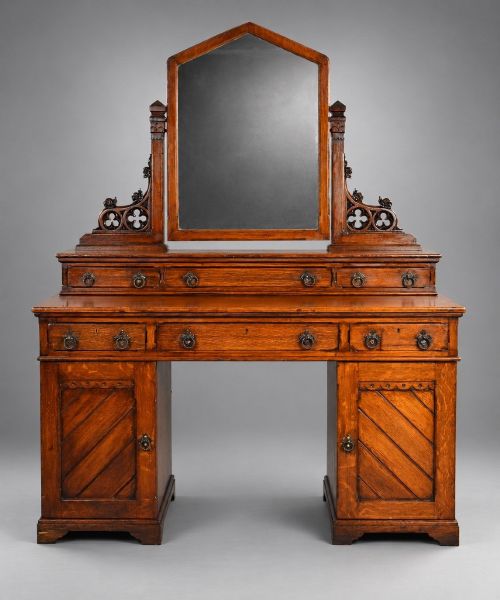
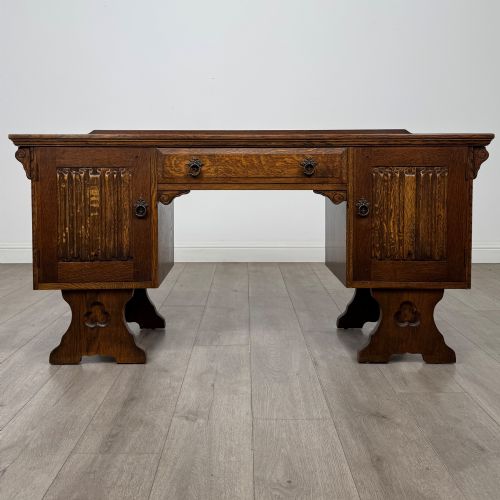
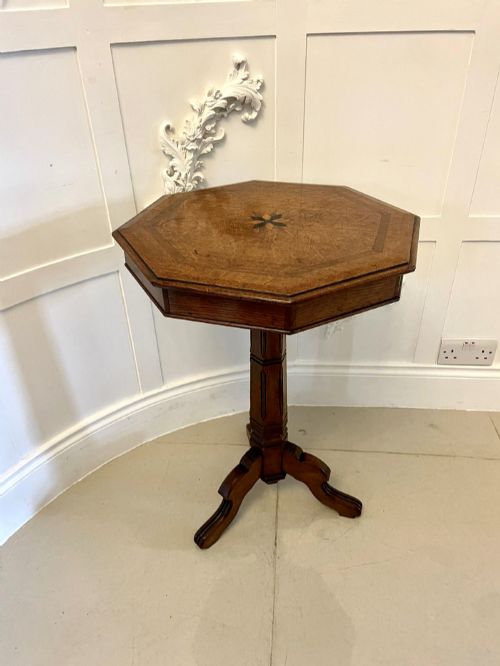
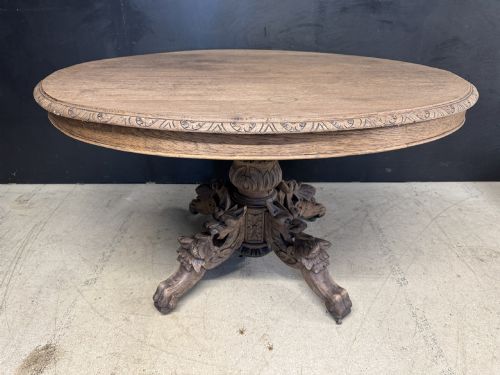
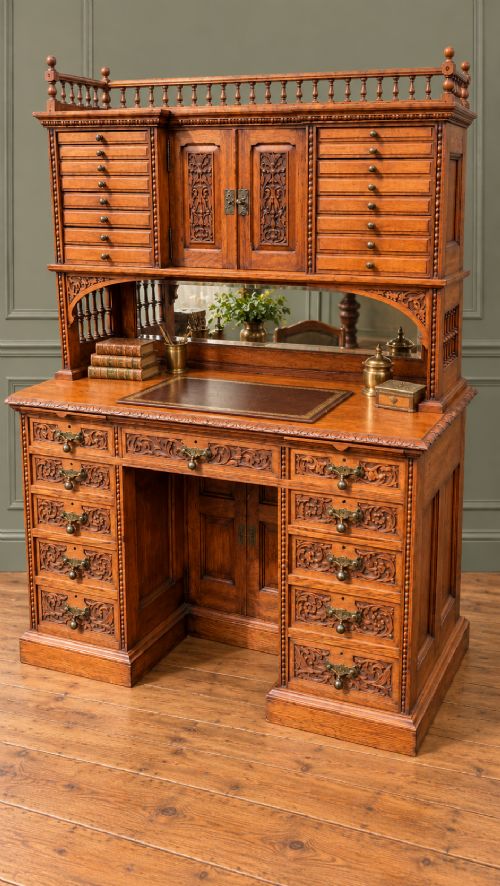
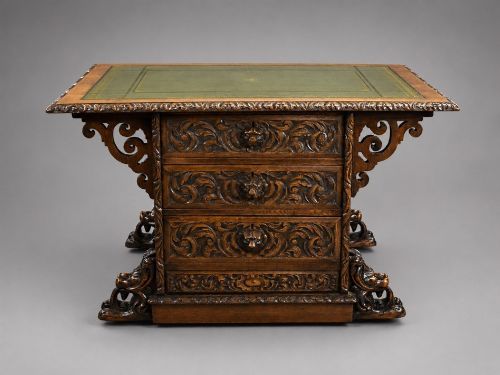
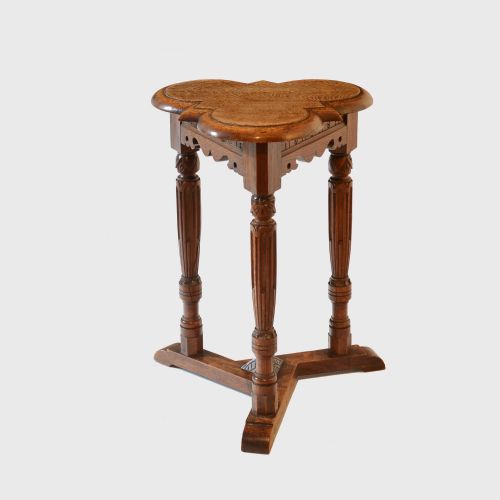
A gothic revival pedestal table draws on medieval architectural motifs such as trefoils, linenfold carving, and pointed arches translated into domestic furniture formats. Buyers searching for a gothic revival pedestal table encounter sturdy centre tables, library tables, and occasional pieces originating largely in the nineteenth century.
The dominant material across these forms is solid oak, often deeply carved with scrollwork or geometric tracery reflecting Victorian interpretations of earlier styles. Alongside oak, pieces appear in mahogany and walnut, occasionally featuring leather insets or contrasting ebonised timber details.
Origins span English workshops alongside continental examples influenced by French, German, and Italian design movements of the period. While some items adhere strictly to architectural Gothic vocabulary, others blend these elements with Renaissance Revival, Elizabethan, or Arts and Crafts influences.
Markers of distinction
The distinction between standard utility furniture and superior examples lies in the crispness and depth of the hand-carving. Master carvers produced sharp, well-defined architectural details that catch the light, whereas lesser pieces display softened, shallower relief work.
Timber selection and secondary material quality also separate grades of manufacture. Superior tables utilise highly figured native hardwoods and retain original fitted elements such as tooled Moroccan leather tops or brass hardware rather than later replacements.
Gothic Revival Pedestal Table Retail Price Guide 2026
Typical asking prices for gothic revival pedestal table among the pieces listed under this phrase on Sellingantiques today, from the lower quarter to the upper quarter. They describe what is for sale here now, not the wider market.
Baillie Scott·Pugin
The Gothic Revival Pedestal Table Glossary
- Trefoil
- A three-lobed ornamental design resembling clover leaves, frequently pierced through woodwork or carved in relief on Gothic furniture. This motif echoes medieval ecclesiastical window tracery.
- Linenfold
- A style of wood carving that imitates folded parchment or linen, commonly used on panels during the Gothic Revival period. It creates a textured, fabric-like appearance across flat wooden surfaces.
- Centre table
- A freestanding table designed to be viewed from all sides and placed in the middle of a room rather than against a wall. These pieces frequently feature polished tops and finished undersides.
- Teapoy
- A small pedestal table or chest originally designed to hold tea canisters, popular in nineteenth-century drawing rooms. They often incorporate internal compartments for storage.
Gothic Revival Pedestal Table: Frequently Asked Questions
What defines a gothic revival pedestal table?
These tables combine nineteenth-century form with medieval architectural vocabulary, including pointed arches, trefoils, and heavy turned or carved pedestals. They reflect a deliberate nineteenth-century return to Gothic design principles.
Craftsmen adapted ecclesiastical and architectural motifs for domestic interiors, producing sturdy centre, library, and occasional tables in oak, mahogany, and walnut.
How do I date a nineteenth-century wooden table?
Dating relies on examining construction techniques, tool marks, timber selection, and the specific stylistic nuances of the carving. Nineteenth-century pieces often display machine-sawn secondary woods alongside hand-finished primary surfaces.
Compare the decorative vocabulary against documented periods like Victorian Gothic or the Arts and Crafts movement to narrow the decade of production.
Where should I place a heavy centre table?
A centre table requires adequate floor space to allow movement around all sides, making large living rooms or libraries ideal settings. Because many examples feature detailed carving and finished tops all round, they function best as standalone focal points.
Ensure the room humidity remains stable to protect solid oak and walnut timbers from drying out near heat sources.
How do I care for antique carved oak furniture?
Maintain antique oak by applying high-quality beeswax periodically and buffing gently with a soft cloth to nourish the dry timber. Avoid silicone-based polishes that build up and attract dust within deep carvings.
Keep wooden furniture away from direct sunlight and radiators to prevent timber splitting and leather tops from shrinking.