




Gothic Revival Oak Armoire
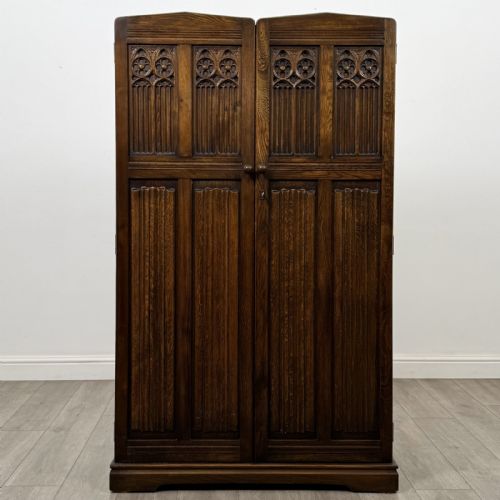
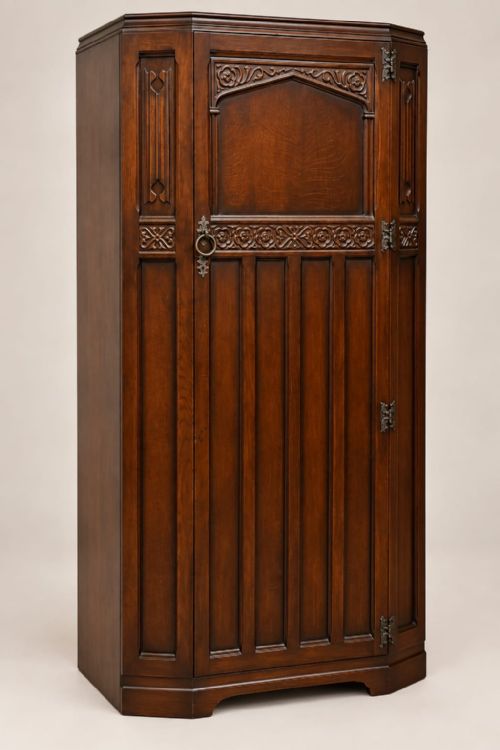
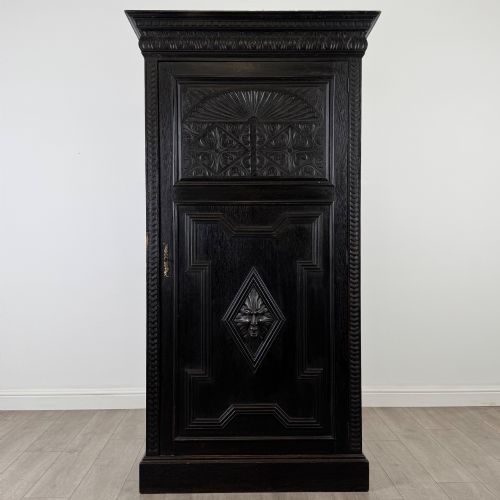
A gothic revival oak armoire brings architectural grandeur into a bedroom through dark timber, pointed arches and medieval detailing.
Gothic Revival Oak Armoire
When you search for a gothic revival oak armoire, you enter a field dominated by large storage furniture that adapts medieval cathedral motifs for domestic interiors. The pieces appearing here range from Victorian and Edwardian examples to earlier interpretations, including sixteenth century flamboyant pieces and French provincial styles.
The primary forms you will encounter are tall wardrobes, double wardrobes, and large storage cupboards. These heavy pieces combine architectural presence with practical utility, utilising solid oak construction and deep carving to establish their distinct character.
Materials and construction
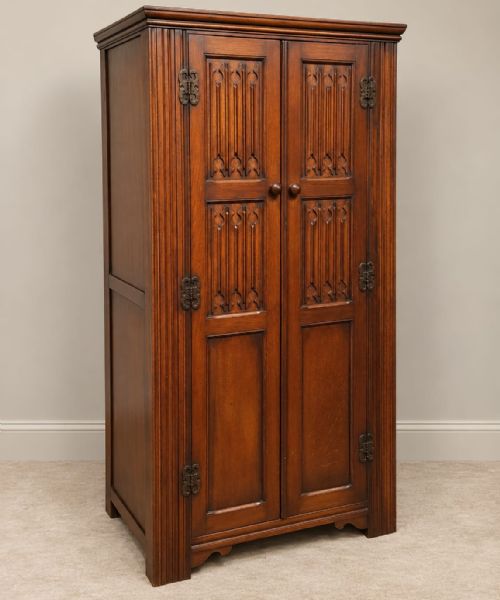
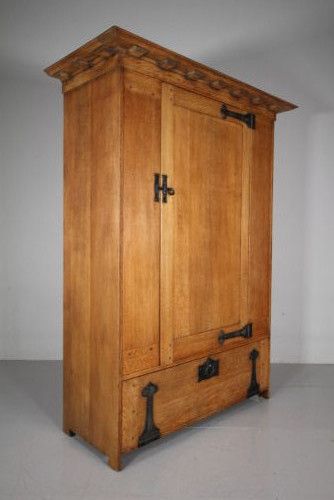
Makers built these pieces primarily from solid oak, chosen for its durability and suitability for deep carving. Workshops embellished the heavy timber frames with iron and brass hardware, including decorative hinges and escutcheons.
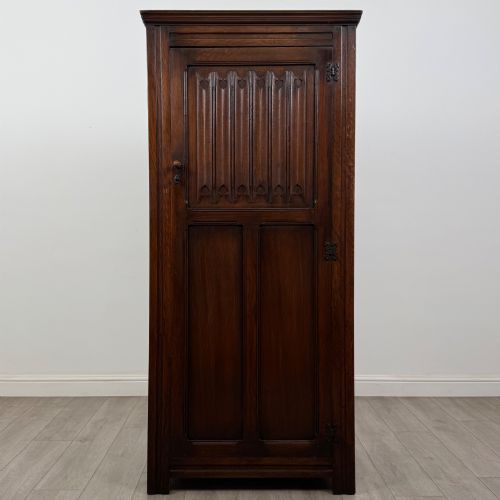
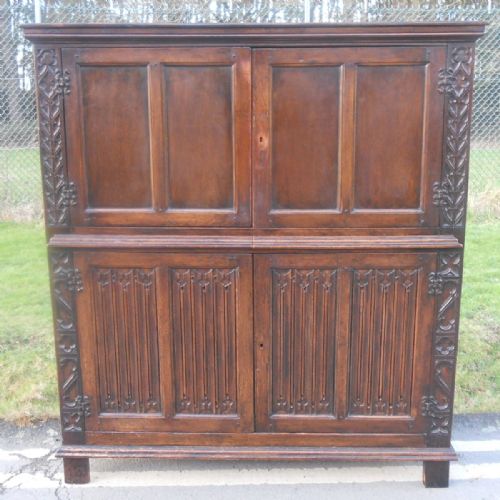
Carving defines the surface treatment, ranging from restrained linenfold panels to heavily carved structural elements. Glass panels and wrought iron details appear on specific storage cabinets, adding variety to the dense timber construction.
Listings span from the sixteenth century through the Victorian and Edwardian eras into the nineteen-thirties, utilising solid oak, brass, iron, and glass.
Assessing quality and execution
Quality in these wardrobes rests on the depth and crispness of the woodcarving, where hand-tooled execution separates superior examples from mass-produced furniture. The integration of period architectural details, such as tracery and pointed arches, dictates the success of the design.
Structural integrity depends on the quality of the solid oak and the original iron or brass fittings. Pieces bearing maker stamps or specific regional origins command attention for their documented provenance and distinct workshop execution.
Heals St Ives
The Gothic Revival Oak Armoire Glossary
- Armoire
- A large wardrobe or cupboard used for hanging clothes and storing household textiles. These pieces typically feature double doors and internal shelving or hanging space.
- Gothic Revival
- An architectural and decorative style drawing on medieval forms, pointed arches, and ecclesiastical motifs. This aesthetic heavily influenced nineteenth-century furniture design.
- Flamboyant Gothic
- A late medieval architectural style characterised by flame-like flowing tracery patterns. Furniture from this period employs intricate, undulating carved ornament.
- Linenfold
- A style of wood paneling carved to resemble folded cloth. This motif appears frequently on medieval and revival cabinet doors.
- Renaissance Revival
- A nineteenth-century movement reviving classical sixteenth-century forms, often combined with heavy carved ornament in oak furniture.
Gothic Revival Oak Armoire: Frequently Asked Questions
What is a gothic revival oak armoire used for?
These large storage pieces serve primarily as wardrobes and cupboards for clothing and household goods. Their substantial internal capacity makes them practical for modern bedrooms and hallways.
Beyond simple storage, they function as focal architectural elements within a room. Their dark timber and carved panels anchor the interior scheme.
How do I date a gothic revival oak armoire?
Dating relies on examining the construction methods, hardware materials, and stylistic markers present in the woodwork. Pieces range from Victorian and Edwardian interpretations back to sixteenth-century examples.
Hardware such as brass or wrought iron hinges offers clues to the manufacturing period. Stamped workshop marks also provide definitive dates for specific pieces.
Are these wardrobes difficult to move?
Solid oak construction and large dimensions make these wardrobes extremely heavy and substantial. Moving them typically requires professional antique transport and careful handling.
Many examples were built as single large units without modern knock-down fittings. Doorways and stairwells must be measured carefully before placement.
How do I care for antique oak furniture?
Maintaining solid oak requires stable environmental conditions away from direct heat sources and strong sunlight. Regular dusting with a dry cloth protects the carved surface without chemical buildup.
Applying traditional wax occasionally nourishes the timber and preserves the patina. Avoid excessive moisture on the unsealed or carved areas.