

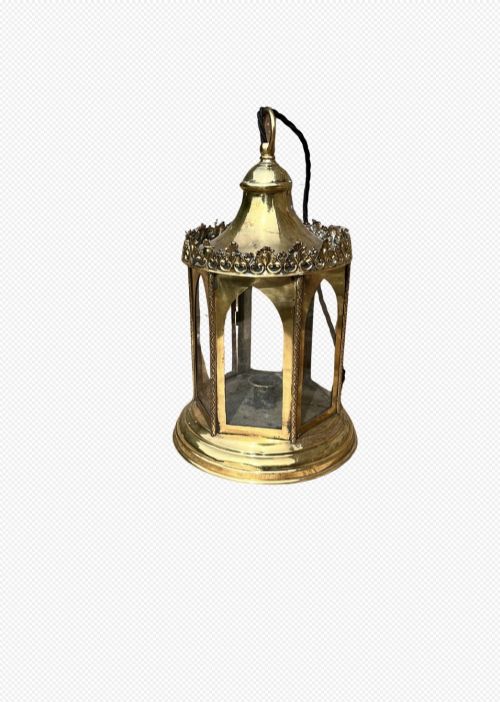
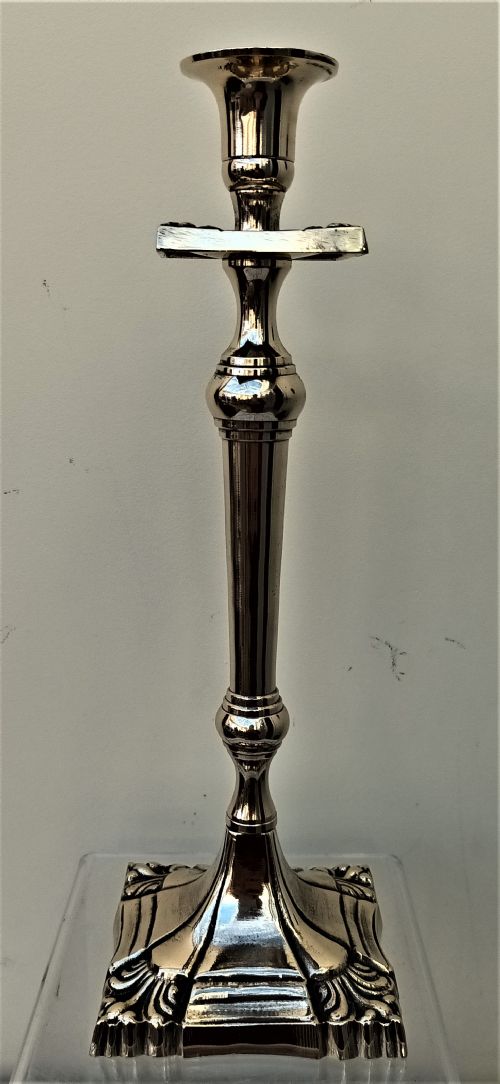

Gothic Revival Brass Light
These gothic revival brass light pieces combine medieval architectural motifs with robust metalwork, offering striking illumination for period interiors.
Gothic Revival Brass Light
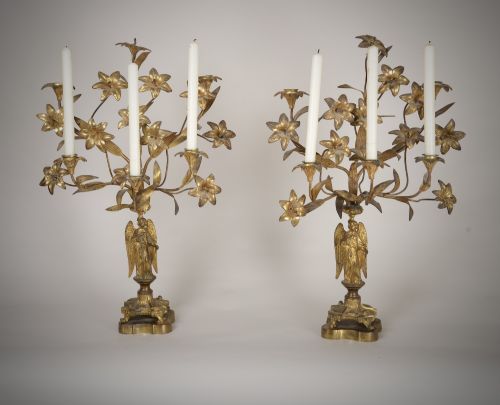
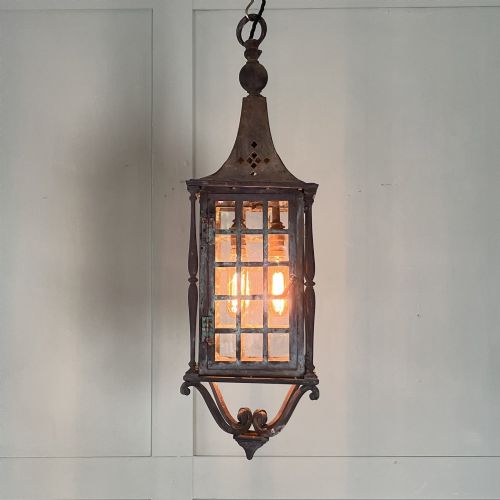
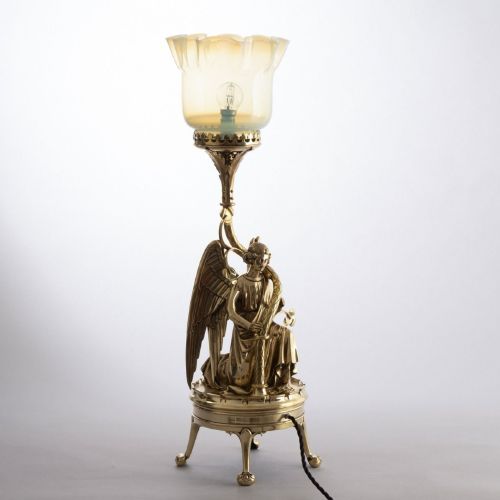
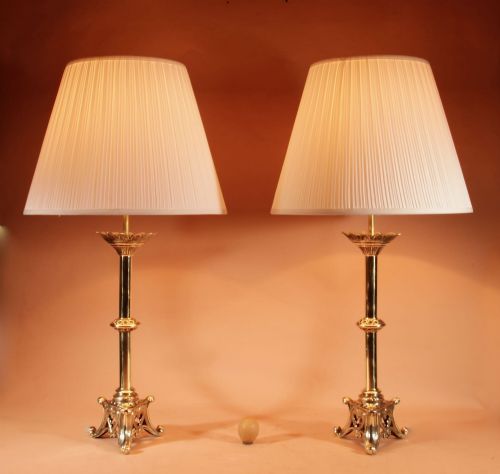
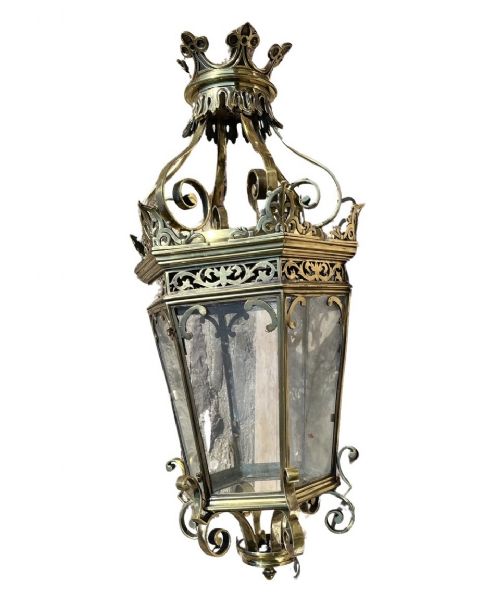
When you search for a gothic revival brass light, you encounter ecclesiastical candlesticks, hanging lanterns, and multi-branched candelabra spanning the nineteenth and early twentieth centuries. The selection on this page relies heavily on Victorian church brassware, ceiling pendants, and table lamps that channel medieval cathedral design into domestic and sacred spaces.
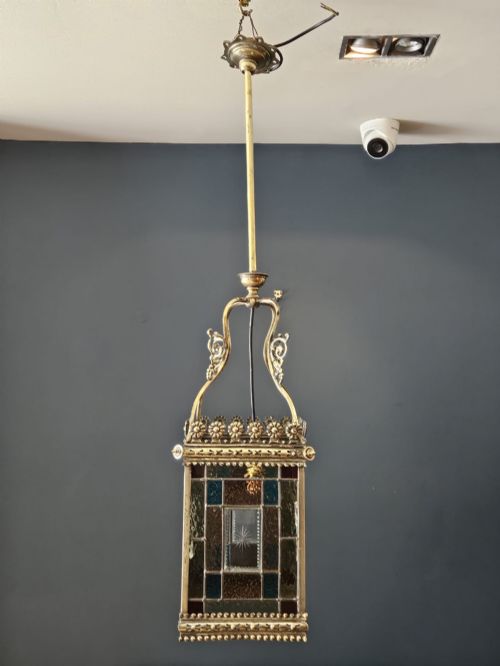
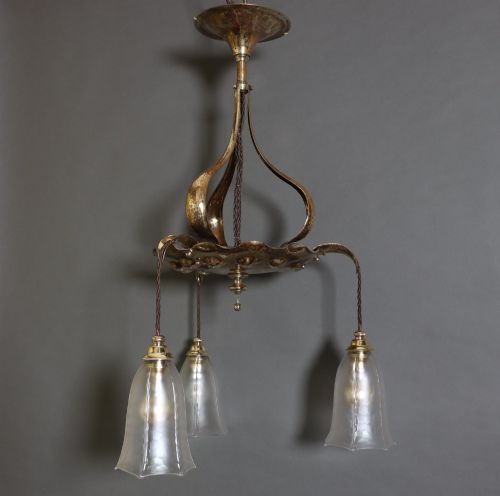
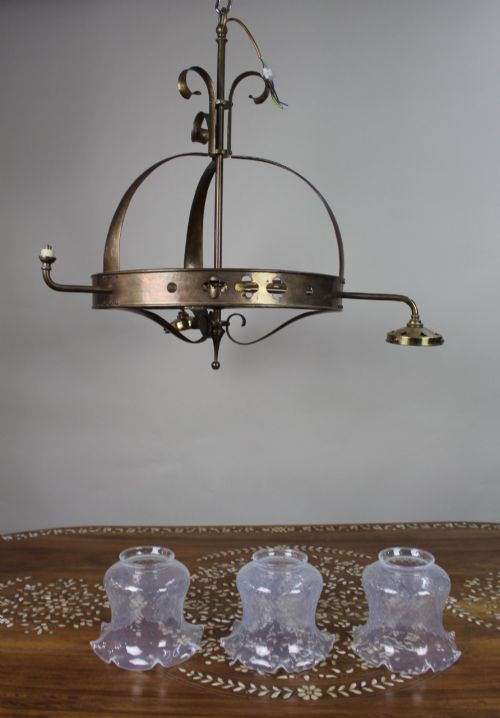
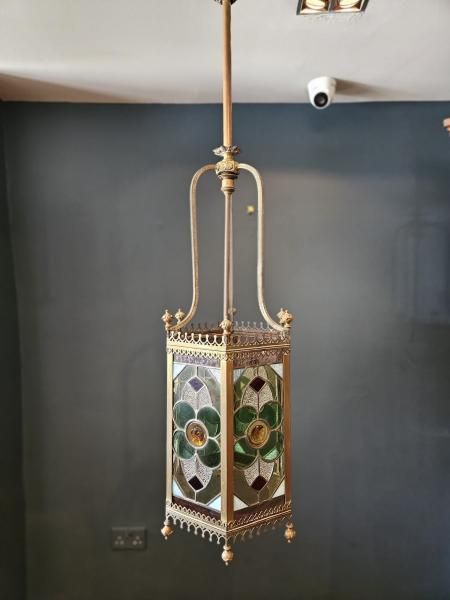
Domestic iterations include gasoliers with opalescent glass shades, hall lanterns framed in leaded glass, and wall sconces adopting twelfth-century Romanesque or early Gothic ornamentation. These objects translate stone vaulting and pointed arch geometries into functional metal fixtures.
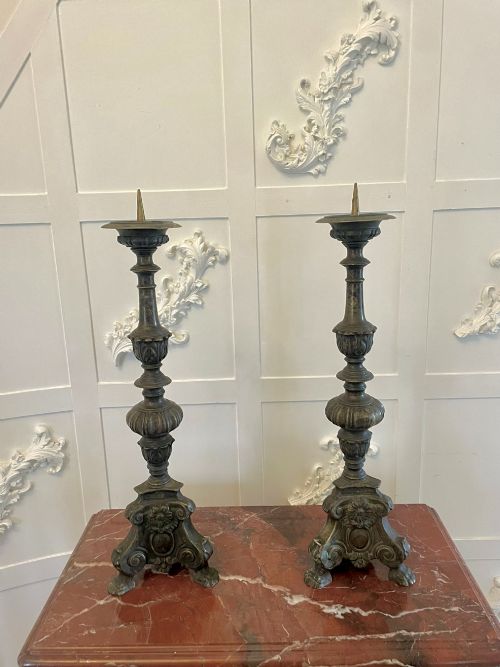
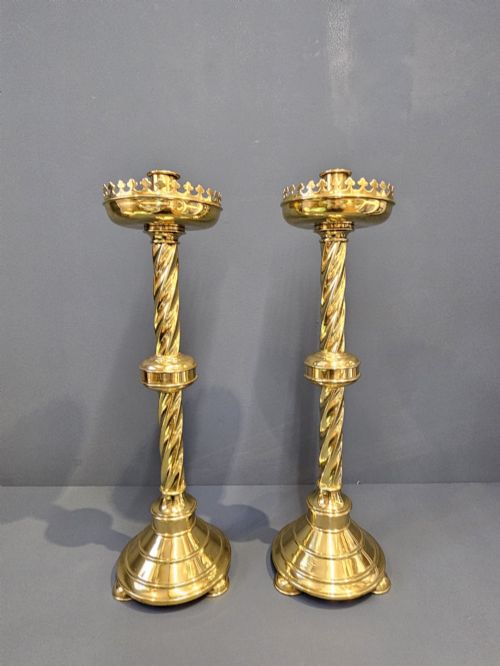
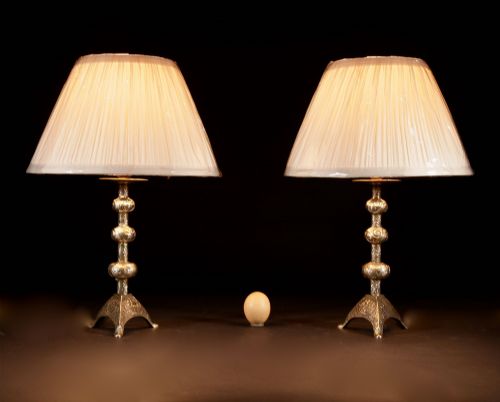
Candlesticks and prickets form a substantial portion of the available inventory, frequently originating from Victorian and Edwardian ecclesiastical contexts. Floor-standing and altar variations provide the structural backbone of this aesthetic.
Materials and Construction Techniques
Makers utilised cast and gilt brass alongside heavy wrought iron and bronze to achieve structural durability and ornate surface relief. Components were frequently cast in sections and assembled with threaded rods or pinned joints, allowing for articulated candelabra arms and substantial multi-light configurations.
Glass elements incorporate vaseline glass, opalescent shades, and leaded or coloured glass panels soldered within metal frameworks. These translucent additions temper the industrial strength of the heavy brass structures with diffused illumination.
Some Victorian brass candlesticks spent decades holding church candles before retiring to illuminate nineteenth-century studies.
Assessing Quality and Manufacture
The distinction between ordinary production and superior work rests on the crispness of the cast ornamentation and the integration of secondary materials like coloured glass. Heavier gauges of brass and well-defined tracery separate monumental church altar pieces from standard domestic adaptations.
Articulation mechanisms, where present, demonstrate the standard of mechanical execution in the workshop. Original surface patination and uncompromised structural assembly elevate individual examples.
Wm. Tonks & Sons·Dr Christopher Dresser
The Gothic Revival Brass Light Glossary
- Pricket
- A sharp metal spike on a candlestick designed to support a candle by impelling the base. This form predominates on church altar lighting.
- Gasolier
- A branched lighting fixture suspended from the ceiling, originally designed and piped for coal gas. Many survive adapted for electric illumination.
- Vaseline glass
- A type of glass coloured with uranium dioxide that exhibits a distinctive greenish-yellow fluorescence under ultraviolet light. It often appears in late Victorian lighting shades.
- Ecclesiastical
- Relating to the Christian Church or its clergy, describing items originally commissioned for chapels, cathedrals, and abbeys. Much of the surviving brassware stems from this institutional tradition.
- Tracery
- Openwork ornamentation of stone or metal, typically in the gothic style, forming decorative patterns in window frames or lighting fixtures.
Gothic Revival Brass Light: Frequently Asked Questions
How do I wire a church candlestick?
Adapting a heavy brass candlestick into a lamp usually requires routing a discreet cord through the existing central shaft without altering the original metalwork.
Professional electricians utilise brass thread reducers and custom mounting brackets to secure lamp holders onto historic prickets or sockets safely.
What is a pricket candlestick?
A pricket candlestick uses an upright spike to hold candles in place rather than a traditional socket cup.
This form was standard in medieval and ecclesiastical settings where large wax or tallow candles required a secure central spike.
Are these lights electrified?
The inventory includes a mixture of untouched antique pieces designed for wax candles alongside fixtures that have been converted for electricity.
Many ceiling lanterns and wall sconces show evidence of later twentieth-century rewiring to suit modern domestic standards.
How do I date a brass lantern?
Dating relies on examining the construction of the frame, the soldering of the leaded glass, and the specific composition of the brass alloy.
Victorian and Edwardian examples often feature heavy cast brass components and hand-beveled glass panels characteristic of nineteenth-century metalworking.