

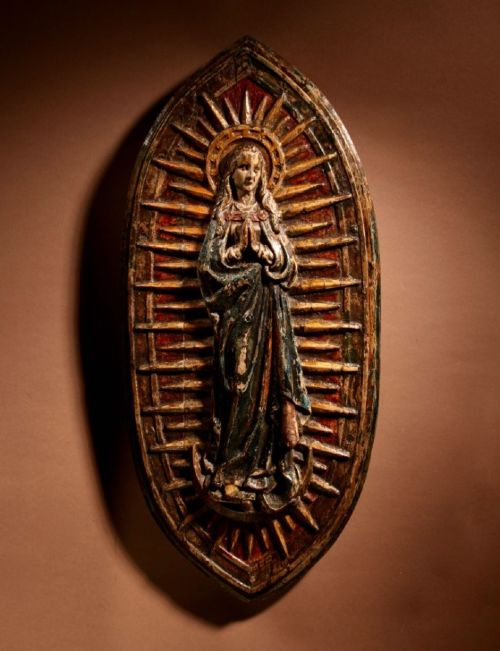
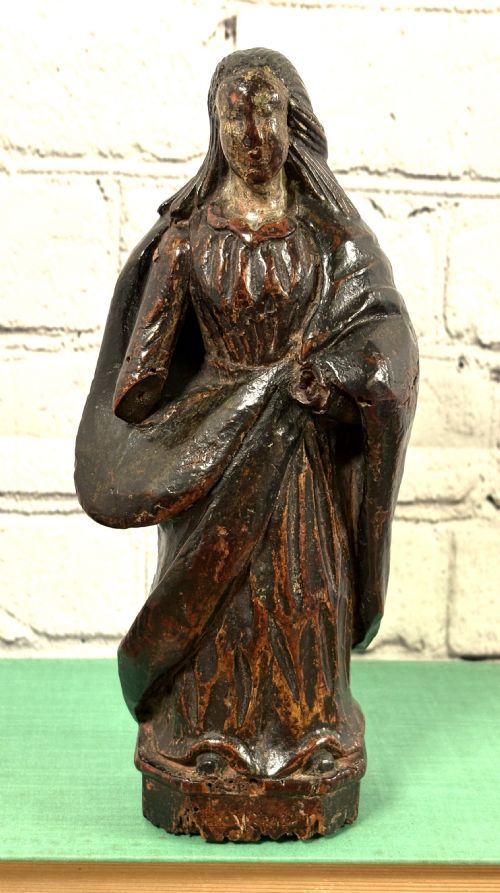


Gothic Religious Statue
These carvings bring centuries of devotion into the room, capturing holy figures in wood and pigment with striking presence.
Gothic Religious Statue
A gothic religious statue represents holy figures, saints, and biblical scenes carved from timber across several centuries of European history. These works range from small devotional panels to substantial figures that once stood inside churches and domestic shrines.
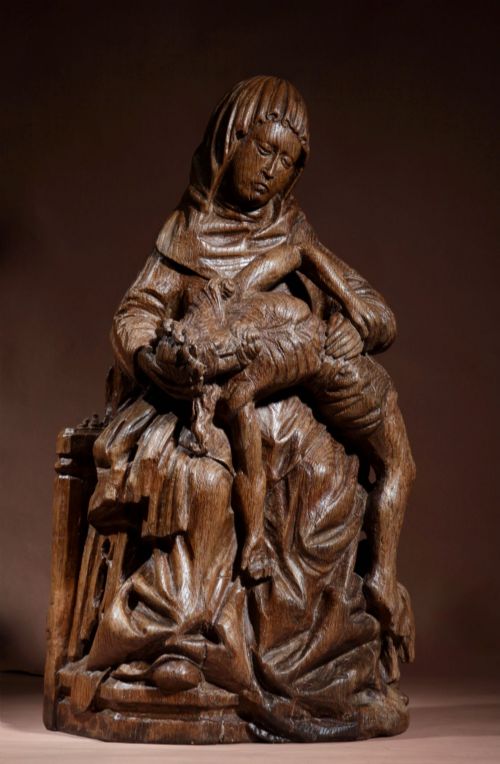
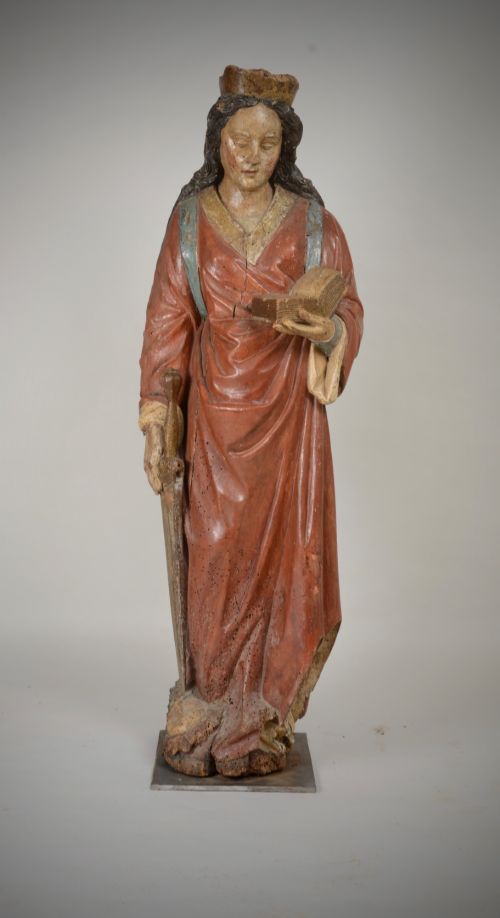
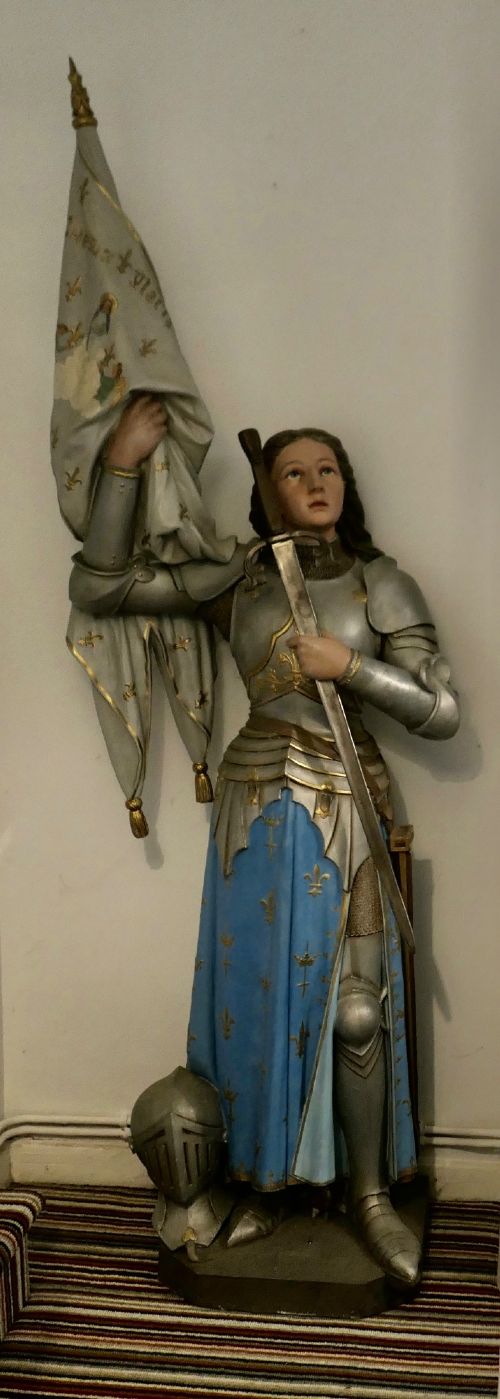
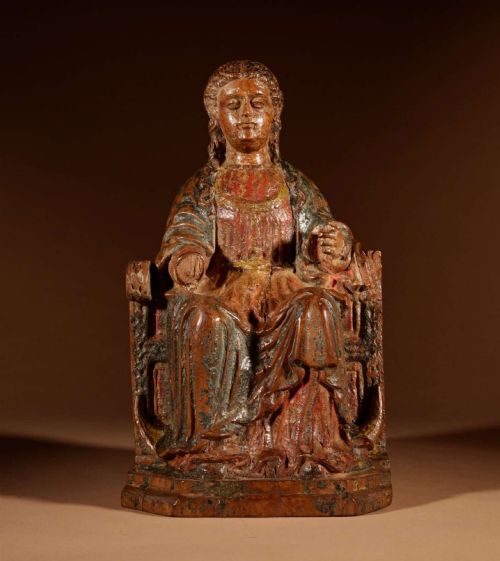
The pieces appearing most frequently on this page date from the medieval and sixteenth-century periods, alongside later nineteenth-century revivals inspired by earlier styles. Subjects commonly include the Madonna and Child, various saints, and scenes of mourning such as the Pieta.
Origins stretch across continental Europe, with examples originating from workshops in Germany, France, and the Low Countries. Forms include free-standing figures, wall sculptures, and architectural fragments that retain their devotional character.
Sculptural Depth and Surface Integrity
Quality rests in the confidence of the chisel work, visible in the natural fall of robes and the expressive depth of hands and faces. Master carvers achieved anatomical conviction and emotional gravity even within dense, recalcitrant timber.
The preservation of original surface finishes, including traces of historic polychrome paint and gesso, separates untouched examples from those heavily restored. The integrity of the wood grain and the crispness of surviving detail dictate the distinction between routine workshop production and exceptional sculpture.
Gothic Religious Statue Retail Price Guide 2026
Typical asking prices for gothic religious statue among the pieces listed under this phrase on Sellingantiques today, from the lower quarter to the upper quarter. They describe what is for sale here now, not the wider market.
Listings feature oak, walnut, limewood, and pine, reflecting centuries of European wood-carving traditions.
Rouillard Angers
The Gothic Religious Statue Glossary
- Polychrome
- Painted in several colours. This surface treatment was applied over gesso to give medieval and renaissance wooden sculptures lifelike appearance.
- Gesso
- A plaster mixture used as a base for paint and gilding on wood. It created a smooth white surface that helped pigments adhere to the carved timber.
- Pieta
- A subject depicting the Virgin Mary holding the dead body of Christ. It appears frequently in medieval and renaissance devotional carvings.
- Altarpiece
- A structure depicting religious subjects set above an altar. Central panels from these large wooden assemblies often survive as independent sculptures.
- Giltwood
- Wood decorated with gold leaf. This technique highlighted halos, garments, and divine attributes on religious figures.
Gothic Religious Statue: Frequently Asked Questions
What subjects do these statues show?
The carvings depict figures such as the Virgin Mary, various saints, apostles, and biblical scenes like the Madonna and Child or the Pieta.
These subjects reflect the devotional needs of European churches, domestic chapels, and private shrines across the medieval period and later revivals.
How were these statues displayed originally?
Many figures stood in niches within large altarpieces, while others functioned as independent devotional objects in churches or homes.
Some examples were designed as wall sculptures or architectural elements positioned to command attention within a sacred space.
How do I identify the wood used?
Closer inspection of the grain and weight often reveals whether a piece is carved from dense oak, fine-grained limewood, or walnut.
Regional carvers generally utilised the native timber available to their workshops, which helps connect a piece to its geographic origin.
How do I care for antique wood sculptures?
Keep wooden sculptures away from direct heat sources and dramatic humidity shifts to prevent the timber from splitting.
Dust the surface gently with a dry, soft brush and avoid applying modern polishes that might damage historic polychrome or exposed grain.