


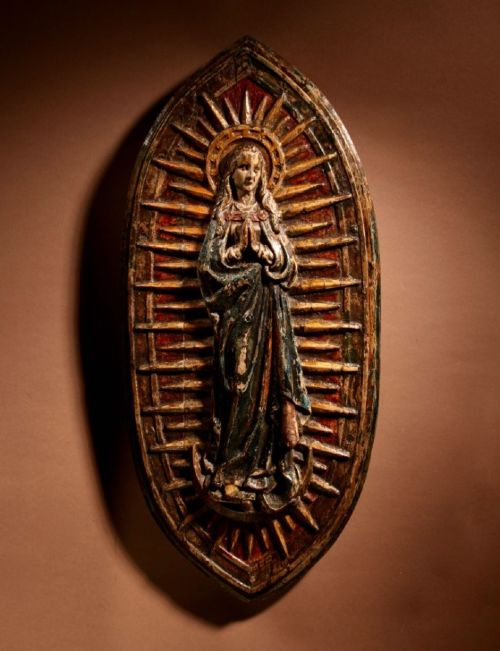
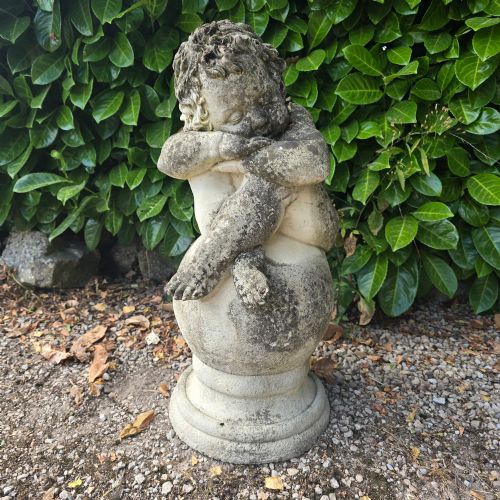
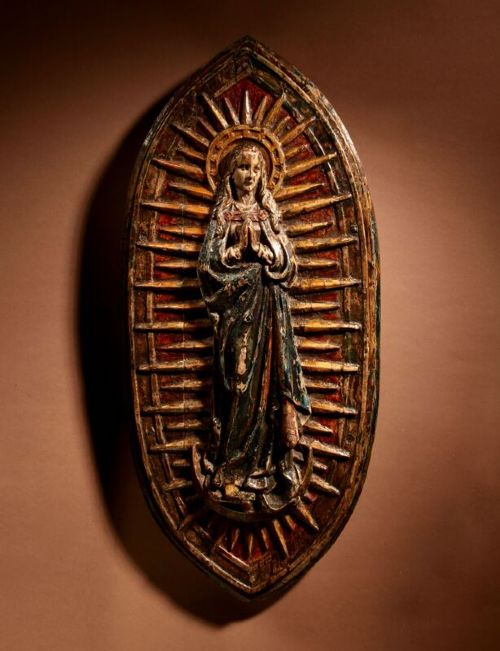
Antique Gothic Sculpture
Antique gothic sculpture brings centuries of carved devotion, architectural fragment, and solemn figurework straight from medieval altarpiece and cathedral interior into modern rooms.
Antique Gothic Sculpture
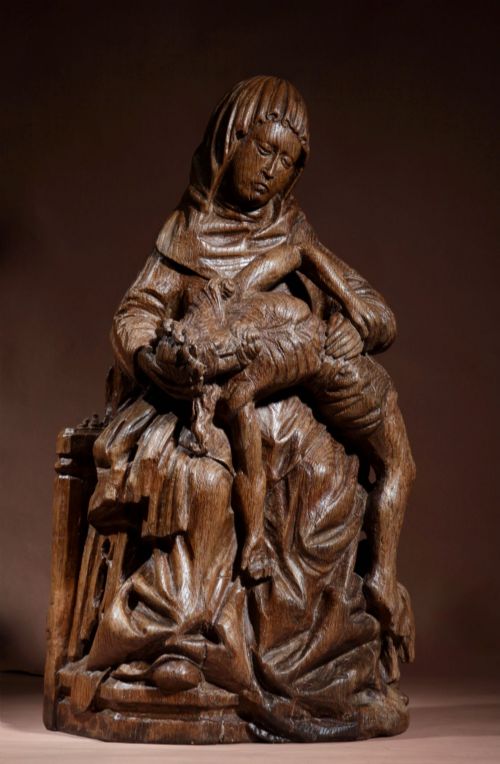
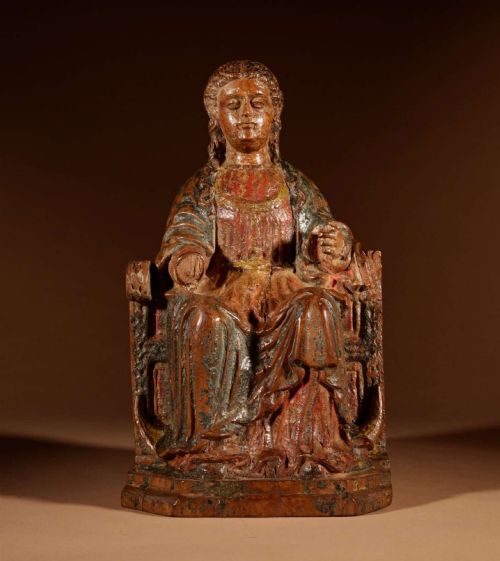
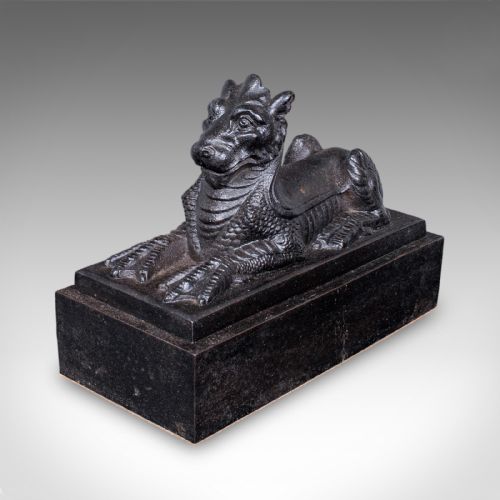
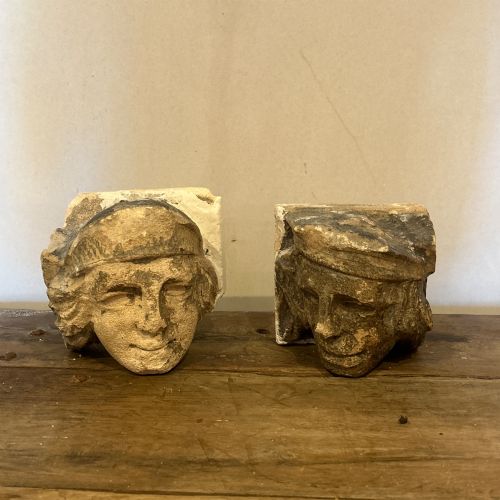
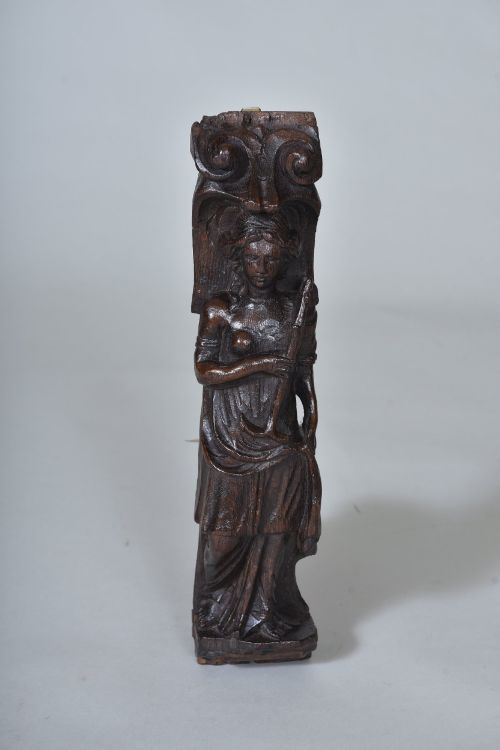
When searching for antique gothic sculpture, buyers encounter works spanning pre-sixteenth century medieval figures to nineteenth century revivals, capturing sacred personages and architectural elements. The selection centres heavily on carved oak, limewood, and walnut subjects, alongside limestone corbels, stone busts, and cast iron door stops.
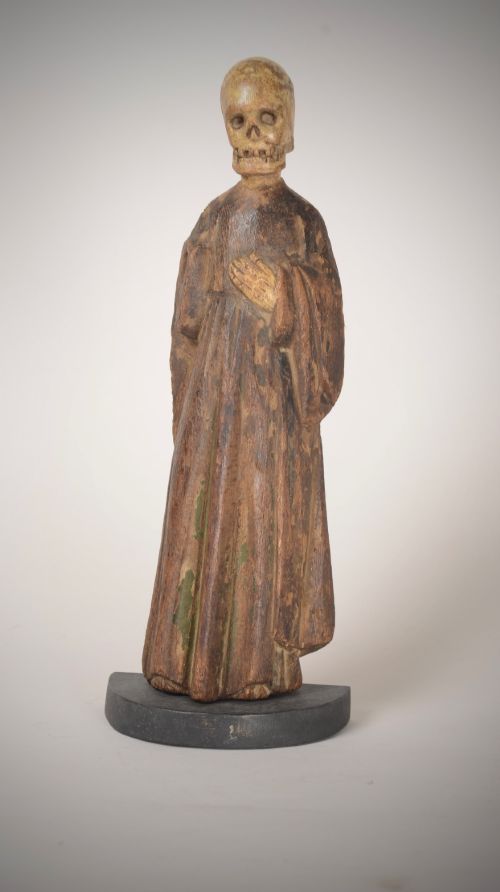
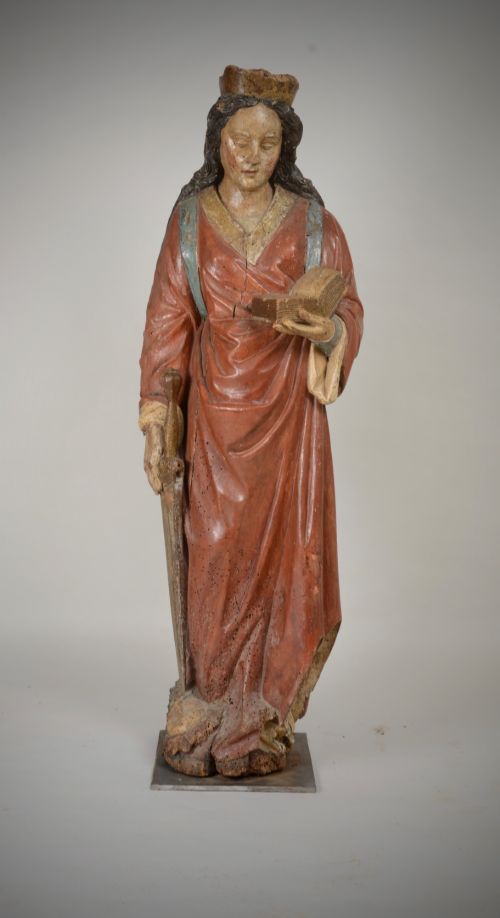
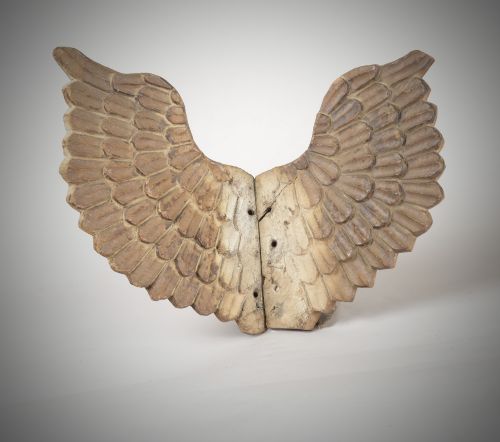
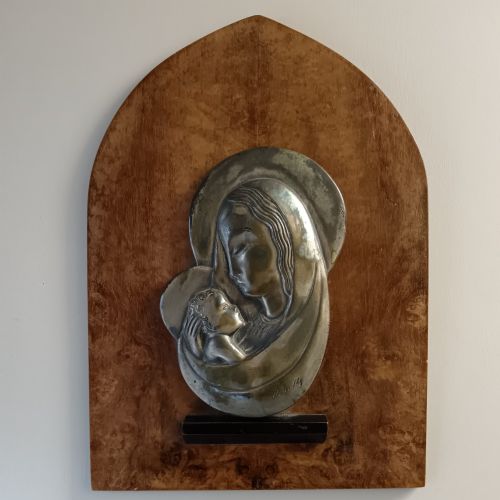
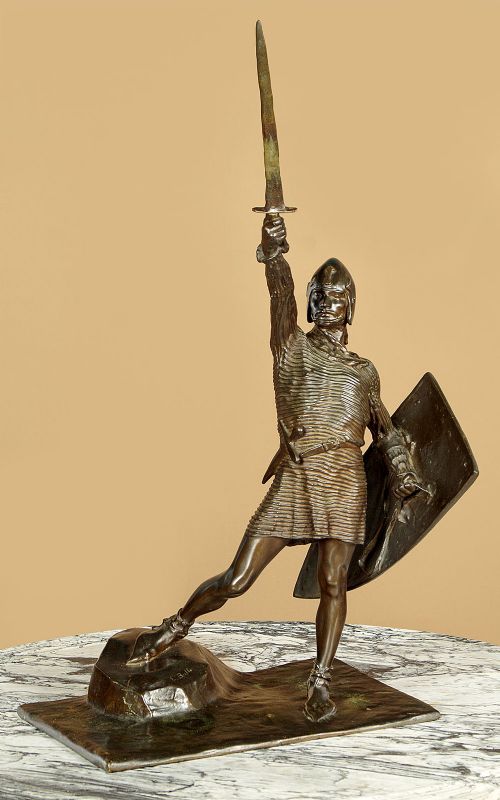
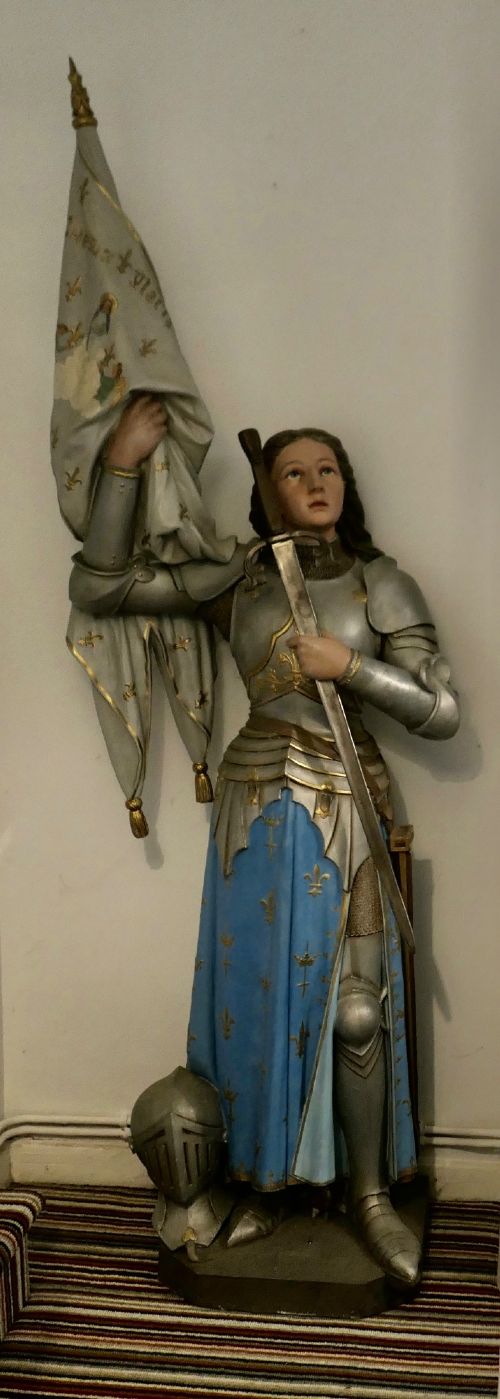
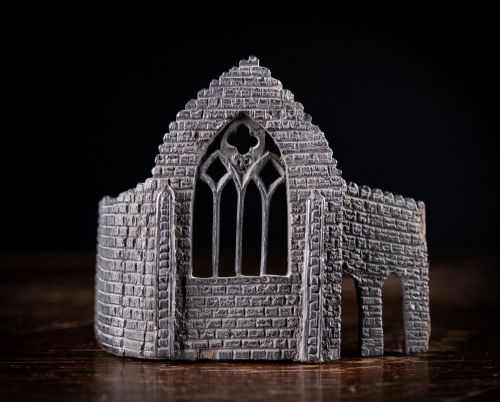
Figures of saints, angels, madonnas, and memento mori skulls dominate the offerings, originating from workshops across England, France, Italy, and Germany. Pieces range from altarpiece fragments and donor figures to later bronze knights, architectural ruins, and ecclesiastical reliefs.
Buyers meet both genuine pre-reformation religious artefacts and later nineteenth century interpretations designed in Gothic and Renaissance revival idioms. These works translate solemn ecclesiastical authority and intricate craftsmanship into tangible domestic objects.
Materials and construction methods
Stone pieces such as medieval limestone corbels and carved stone busts relied on heavy masonry tools, while later nineteenth century examples utilised bronze casting, spelter patination, and cast iron fabrication. Workshops also employed giltwood highlights and specialised surface treatments to enhance sacred imagery.
Antique Gothic Sculpture Retail Price Guide 2026
Typical asking prices for gothic sculpture among the pieces listed under this phrase on Sellingantiques today, from the lower quarter to the upper quarter. They describe what is for sale here now, not the wider market.
The inventory incorporates timber, stone, iron, and bronze materials across centuries ranging from pre-sixteenth century fragments to Victorian revivals.
Determinants of quality
The integrity of the timber or stone, the crispness of architectural details on altarpiece panels and corbels, and the historical clarity of the workshop origin distinguish exceptional early examples from later revival pieces.
Rouillard Angers·Emile Jespers
The Antique Gothic Sculpture Glossary
- Polychrome paint
- Colourful decoration applied to wood or stone surfaces, frequently seen on medieval religious figures and altarpiece carvings. It accentuates garments and facial expressions.
- Corbel
- A structural stone bracket jutting from a wall to support a weight, often carved into figurative or architectural shapes during the medieval period.
- Memento mori
- An artistic symbolic reminder of the inevitability of death, typically represented by carved skulls or skeletal figures originating from seventeenth century and later traditions.
- Altarpiece
- A large structural screen or panel system placed behind an altar, yielding central carved panels depicting saints, virgins, and biblical scenes.
- Spelter
- A zinc alloy utilised in the nineteenth century as a less expensive alternative to bronze for casting figurative sculptures and decorative candlesticks.
Antique Gothic Sculpture: Frequently Asked Questions
What periods do these sculptures cover?
The pieces span from pre-sixteenth century medieval and sixteenth century Renaissance works through seventeenth century carvings up to nineteenth century Gothic revival pieces.
This broad timeline encompasses authentic church salvage alongside later Victorian interpretations of medieval iconography.
How were these figures originally used?
Many sculptures served as central panels or donor figures within larger church altarpieces, while stone corbels and architectural fragments formed parts of cathedral masonry.
Others functioned as private devotional aids, grave markers, or later domestic decorative items like doorstops and wall masks.
How do I care for antique wood sculptures?
Keep carved timber pieces away from direct sunlight and dramatic fluctuations in central heating to prevent wood splitting and paint flaking.
Dust gently with a dry soft brush and avoid applying modern chemical polishes to historic wax or bare wood surfaces.
How do I distinguish medieval from revival pieces?
Examine the tool marks, timber shrinkage patterns, and the wear on gesso layers to determine the age of the carving and material.
Nineteenth century Gothic revival works often display different casting techniques or machine assistance compared to hand-chiseled medieval pieces.