

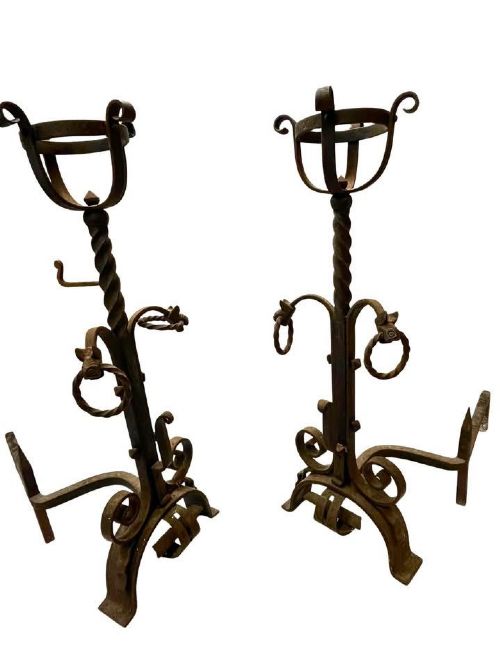


Gothic Fire Irons
These gothic fire irons bring medieval architectural lines and sturdy metalwork directly to the hearth.
Gothic Fire Irons
When searching for gothic fire irons, collectors encounter functional fireplace tools, companion sets and companion andirons shaped by medieval and revival movements. These pieces range from nineteenth-century Victorian gothic revival designs to later arts and crafts interpretations.
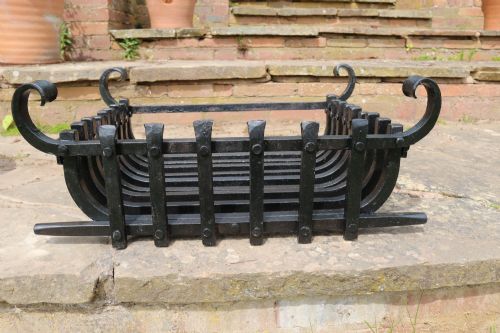
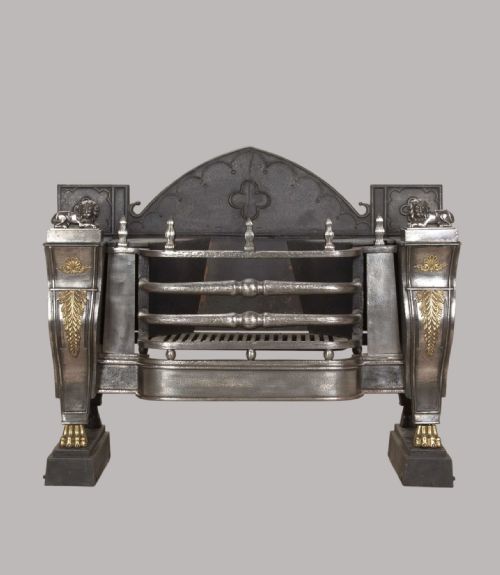
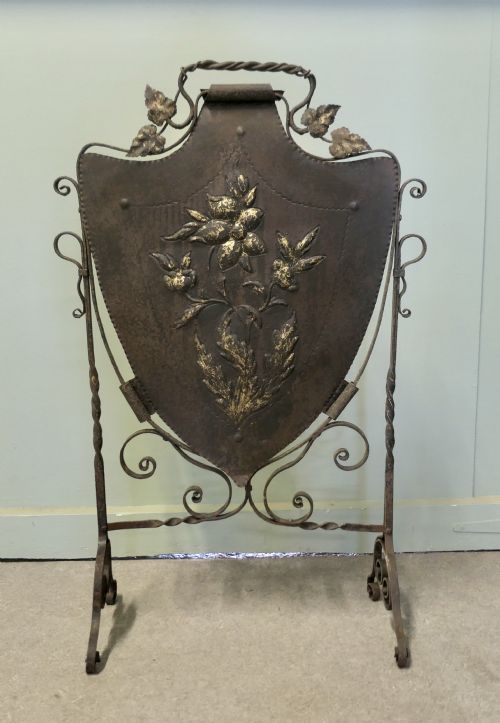
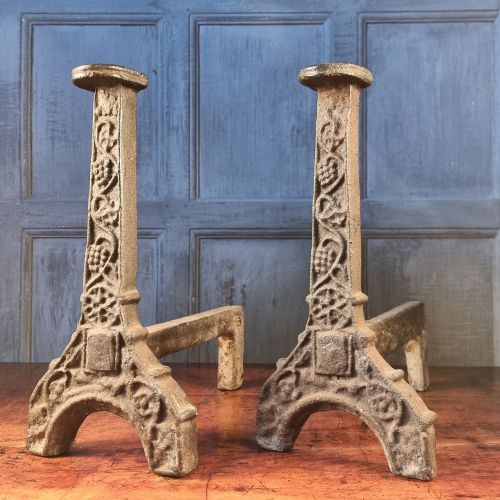
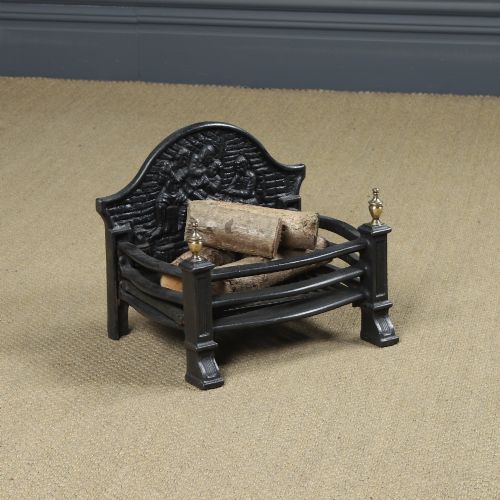
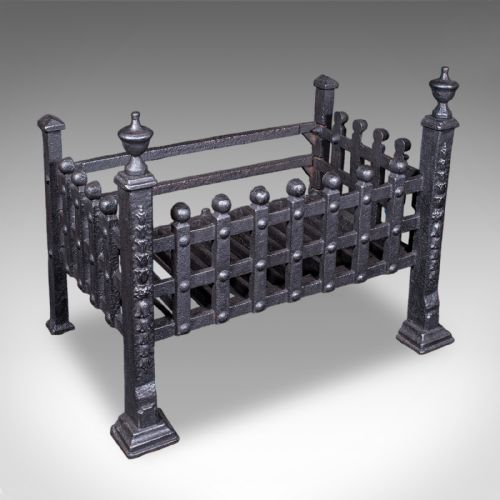
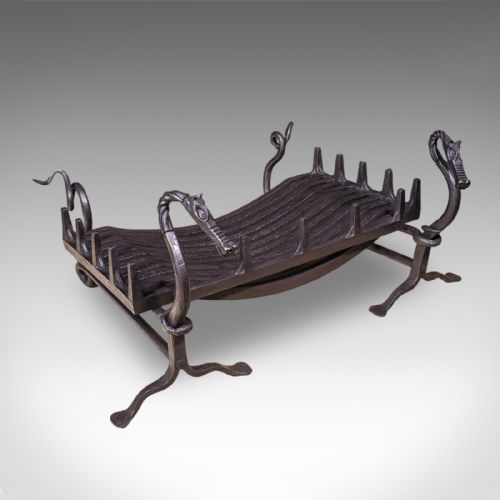
The selection on this page centres on wrought iron, cast iron and steel implements alongside complementary fire baskets, screens and dogs. Many pieces reflect structural motifs such as pointed arches, quatrefoils and heavy metal links.
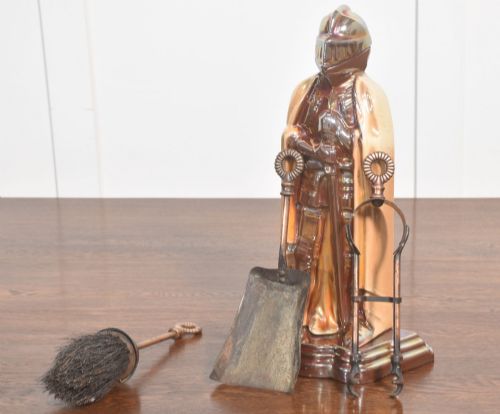
Buyers frequently find matched tool sets alongside individual pokers, tongs and shovels designed to tend coal and wood fires. These items combine utilitarian strength with the ornate detailing characteristic of nineteenth-century revivalism.
Materials and construction
Blacksmiths and foundry workers shaped these pieces primarily using wrought iron, cast iron and polished steel. Wrought iron provided the tensile strength needed for slender, hand-hammered tool shafts and decorative scrollwork.
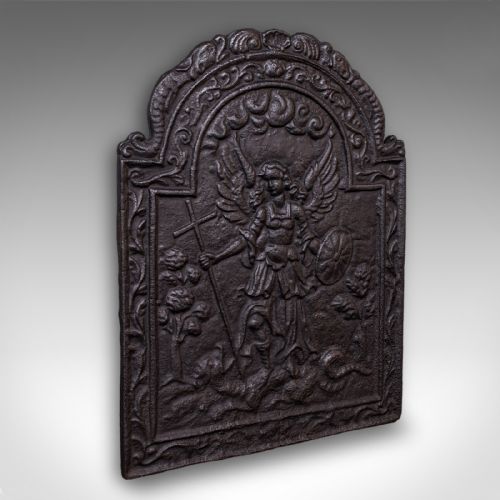
Cast iron allowed makers to produce heavier components with intricate armorial motifs, relief panels and textured surface details. Brass and copper accents occasionally appeared on handles and shields to contrast against the dark iron.
Listings feature items spanning the nineteenth century through the 1930s, utilising wrought iron, cast iron, brass, copper and steel.
Judging quality and craftsmanship
Quality rests in the clean definition of hand-forged scrollwork, the weight of the metal and the integrity of joined components. Superior examples show careful finishing at touch points and balanced proportions across tool sets.
Lesser items display crude casting seams, thin gauge metals that bend under thermal stress, or replacement elements that disturb the period harmony of the set.
Christopher Dresser
The Gothic Fire Irons Glossary
- Andirons
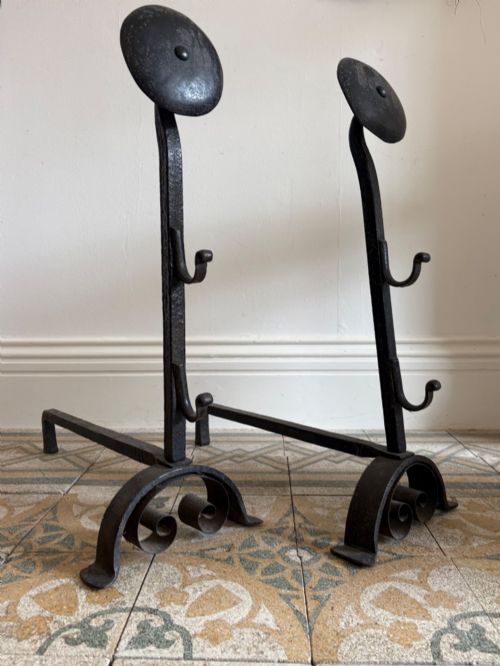
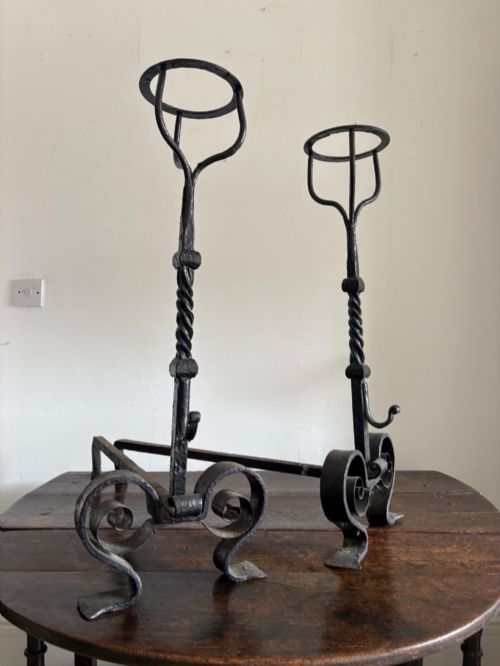
- Fire dogs used to support logs in an open fireplace. They often feature decorative frontal pillars or cast motifs.
- Fire basket
- An elevated metal grate that holds coal or wood above the hearth floor. These units improve airflow during combustion.
- Wrought iron
- Iron that has been heated and hammered into shape by hand. This material resists snapping under heat.
- Gothic Revival
- An architectural and decorative style popular during the nineteenth century. It revives medieval pointed arches and structural forms.
Gothic Fire Irons: Frequently Asked Questions
How do I clean antique iron fire tools?
Remove loose soot using a soft dry brush without applying abrasive scouring pads.
Apply a light coat of microcrystalline wax to protect the metal surface from ambient moisture.
Are these tools suitable for daily fires?
Most nineteenth-century wrought iron and steel implements remain sturdy enough for regular hearth use.
Heavily ornamented display pieces or brass-accented items benefit from gentler handling to preserve delicate finishes.
How do I date a gothic fire set?
Examine the manufacturing marks, tool handle construction and fastener types used on the pieces.
Victorian revival sets often display machine-assisted rolling alongside hand-forged elements typical of the later nineteenth century.
What is the difference between andirons and fire dogs?
The terms are largely interchangeable for metal supports placed inside the hearth to hold logs.
Historical inventories sometimes reserve fire dogs for simpler utilitarian iron supports rather than ornate architectural pairs.