
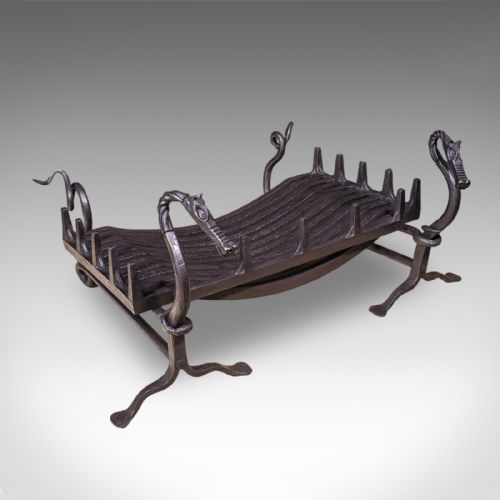


Gothic Fire Grate
A gothic fire grate anchors a room with medieval form, bringing cast and wrought iron hearth pieces straight into period interiors.
Gothic Fire Grate
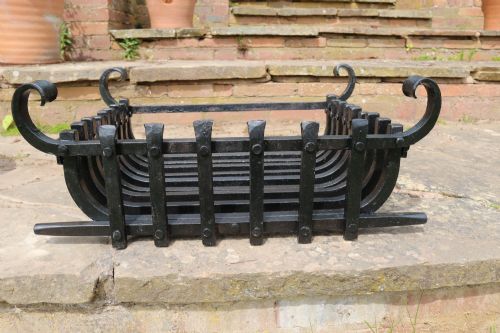
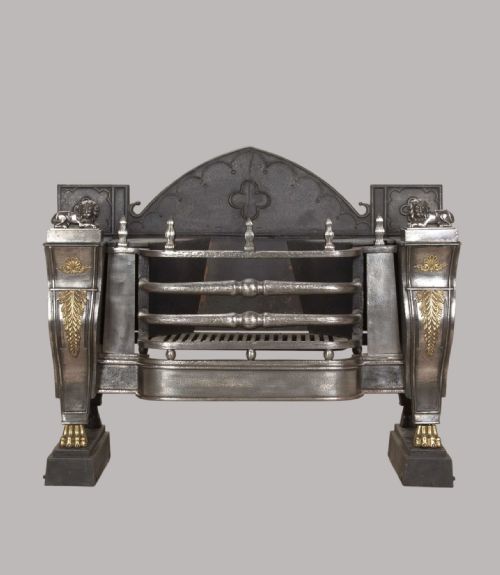
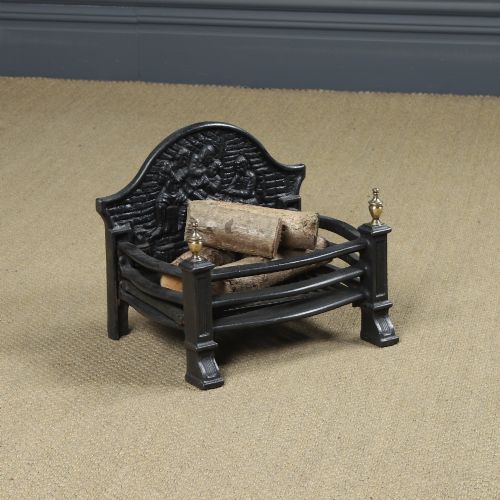
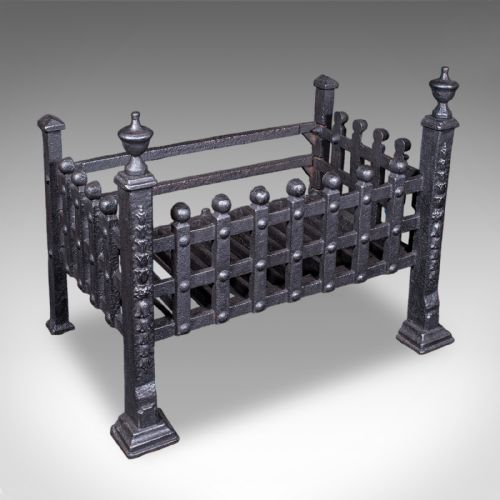
A gothic fire grate is a substantial hearth furnishing designed for burning wood or coal, appearing across Victorian, Edwardian, and earlier revival periods. You will encounter various forms here, ranging from small neo-gothic cast iron log baskets to large inglenook fire grates paired with heavy andirons.
The style draws directly on medieval architectural motifs, merging the robust utility of English fireplaces with pointed arches and dragon motifs. These pieces function as both practical heat sources and focal points within period fireplace settings.
How they were made
Makers utilised cast iron and wrought iron as the primary structural materials, often combining forged bars with moulded decorative elements. Firebrick lined the inner compartments to withstand high temperatures during continuous use.
Individual components like fire dogs and andirons were forged separately or cast in heavy moulds before being assembled into complete hearth sets. Brass details occasionally appear as contrasting highlights against the dark iron surfaces.
Listings span Victorian, Edwardian, and Regency periods, utilising cast iron, wrought iron, brass, and firebrick.
What varies in quality
Quality rests in the weight of the metal and the precision of the blacksmith's handwork on forged iron elements. Superior pieces demonstrate crisp moulding in the cast iron and sturdy, well-balanced construction across the whole fire basket.
Heavier inglenook grates and complete sets featuring matching andirons represent a more ambitious standard of metalworking than smaller, simpler grates. The depth of historical detailing, such as defined medieval tracery or dragon motifs, separates standard utility items from finer decorative examples.
The Gothic Fire Grate Glossary
- Fire grate
- A metal basket or framework designed to hold fuel safely within an open hearth. It supports the burning wood or coal while allowing ash to fall through the bottom bars.
- Andirons
- Supporting metal fire dogs placed on either side of a hearth to hold logs above the floor of the fireplace. They frequently accompany larger fire grates in inglenook settings.
- Inglenook
- A large, recessed fireplace space designed to accommodate seating alongside the fire itself. Grates made for these spaces are typically heavier and wider.
- Firebrick
- A block of refractory ceramic material used to line fireboxes and protect surrounding masonry from extreme heat. It withstands high temperatures without cracking.
- Neo-Gothic
- A revival style drawing inspiration from medieval architecture and design elements. Pieces in this style often incorporate pointed arches and heavy decorative ironwork.
Gothic Fire Grate: Frequently Asked Questions
How do I clean a cast iron grate?
Remove ash and debris regularly using a stiff brush to prevent moisture absorption and rust accumulation.
Apply a light coating of grate polish or stove blacking with a soft cloth to maintain the dark finish.
Can I burn real wood in these grates?
Many of these historical iron grates are built to handle solid fuel, but check the condition of the metal and firebrick lining first.
Ensure the chimney is fully inspected and swept before lighting any open fire in a period hearth.
What is the difference between a fire basket and a grate?
A fire basket is typically an open, freestanding metal container designed specifically to hold logs or coal within the hearth.
A grate can describe a broader category of fixed or movable iron structures built into the fireplace floor.
How do I date a gothic revival grate?
Examine the manufacturing technique, as Victorian and Edwardian pieces often combine machine-rolled iron with traditional hand-forging.
Look at the specific stylistic revival cues, noting whether the decorative motifs follow early nineteenth-century Regency interpretations or later Arts and Crafts ideals.