





Traditional Hearth Basket
A traditional hearth basket brings utilitarian warmth to the fireplace, combining heavy metals and woven fibres to hold fuel cleanly.
Traditional Hearth Basket
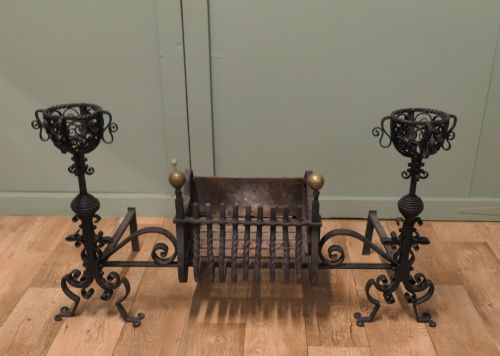
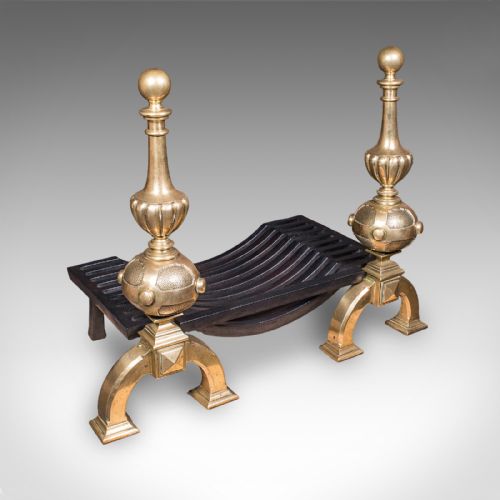
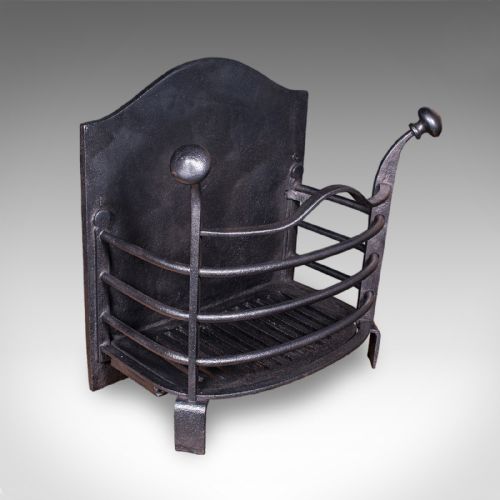
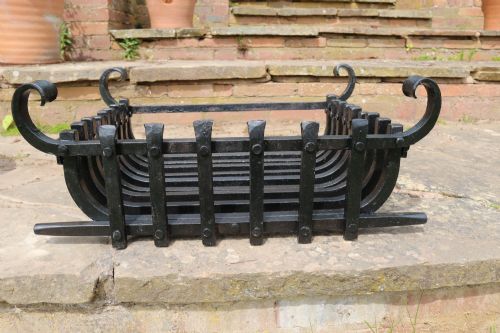
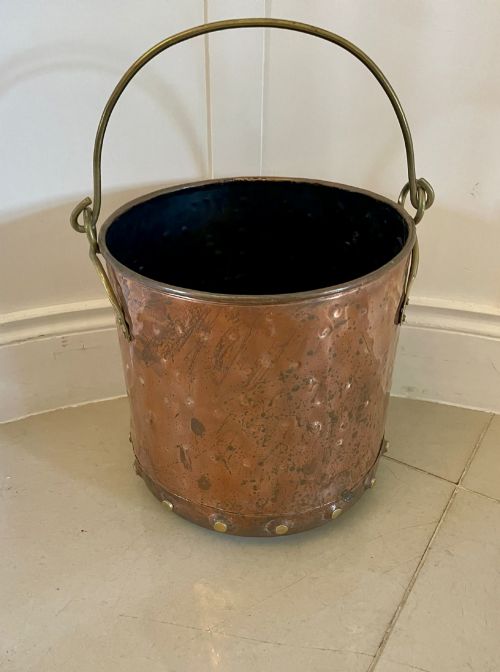
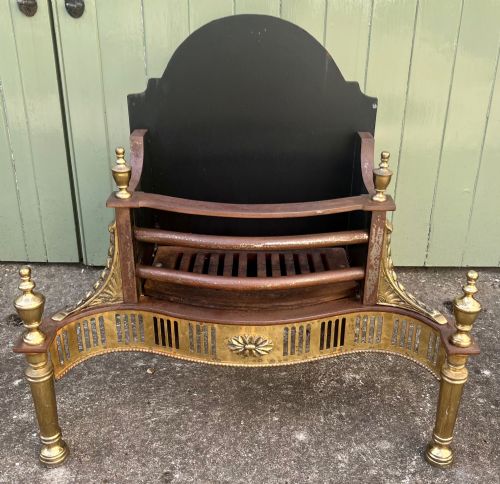
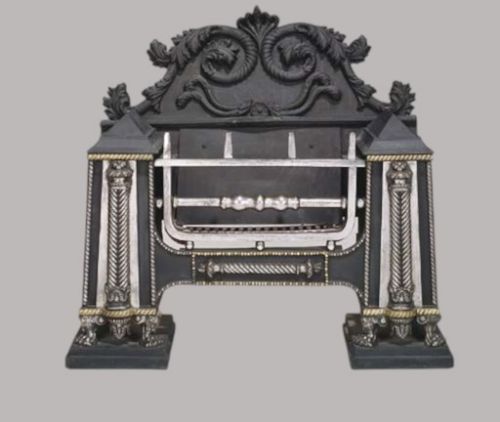
A traditional hearth basket serves as a sturdy receptacle for logs, coal or kindling placed directly beside the fireplace. These pieces range from metal coal buckets and log bins to woven cane and splint carriers designed for domestic utility. You will frequently encounter Victorian cast iron fire baskets and Georgian copper scuttles among these examples.
The objects span multiple centuries, incorporating periods such as the Georgian era, the nineteenth century and the early twentieth century. Forms vary from simple metal grates with andirons to lidded copper vessels and handmade woven baskets originating from Scandinavian country traditions or English workshops. Each type reflects the specific fuel requirements of its period, whether accommodating coal or larger logs.
Materials and construction
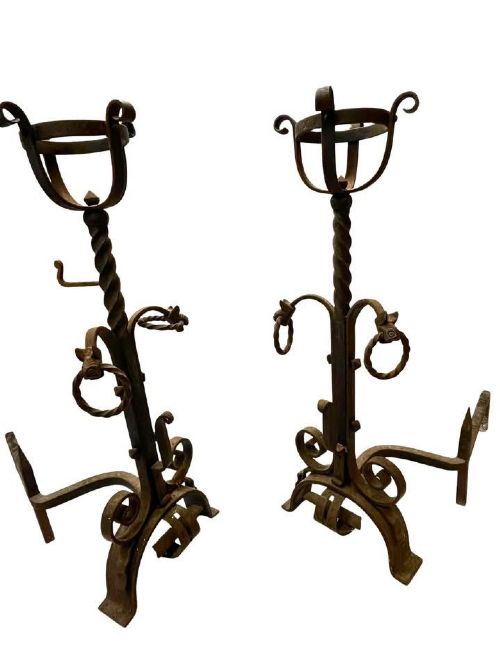
Makers utilised resilient metals including cast iron, wrought iron, brass and copper to construct durable fire baskets, grates and coal scuttles. Blacksmiths hammered and forged iron into heavy fire dogs and carriers, while sheet copper was beaten and banded with brass for decorative coal bins.
Organic materials like oak, pine, cane and wood splint provide the structure for woven log baskets and carriers. Metal components often feature cast detailing in Gothic Revival, Adam style or Arts and Crafts designs, joining rigid structural strength with functional utility.
Traditional Hearth Basket Retail Price Guide 2026
Typical asking prices for traditional hearth basket among the pieces listed under this phrase on Sellingantiques today, from the lower quarter to the upper quarter. They describe what is for sale here now, not the wider market.
Listings feature items from the Georgian period through to the 1930s, combining metals like copper and iron with wood splint and cane.
Distinctions in quality
The calibre of a piece depends upon the weight of the metal, the precision of the blacksmith's forge work and the integrity of the joins. Heavy cast iron and thick gauge copper demonstrate superior substance compared to lighter, thinner metalwork.
Artistic execution in decorative elements such as brass banding, cast fire backs and hand-woven natural fibres separates standard utilitarian items from finer examples. Proportion, balance and the harmony of mixed materials like iron and brass indicate superior craftsmanship.
The Traditional Hearth Basket Glossary
- Andirons
- Horizontal metal bars or supports used in pairs to raise logs off the hearth floor for better air circulation. They often accompany fire baskets.
- Coal Scuttle
- A bucket or container designed for carrying coal to the fire, frequently fitted with a hinged handle and a sloping mouth for easy pouring.
- Fire Grate
- A metal framework that holds fuel within an open fireplace, allowing ash to drop through to the hearth below.
- Log Bin
- A large container used to store firewood near the hearth, constructed from metals like copper or from natural woven materials.
- Hob Grate
- A fireplace grate featuring flat side shelves or hobs used for keeping kettles warm, typical of Georgian and Regency periods.
Traditional Hearth Basket: Frequently Asked Questions
What is a traditional hearth basket used for?
These pieces serve as practical containers for holding firewood, coal or kindling close to the fireplace for daily use. Metal versions often double as fire grates or coal scuttles, while woven designs focus on dry fuel storage.
They organise the hearth area by keeping fuel contained and tidy, preventing loose bark and debris from spreading across the floor.
How do I identify a Georgian fire basket?
Georgian pieces frequently exhibit refined classical proportions, incorporating Adam style brass details or hob grate configurations. The metalwork displays careful casting and forging typical of eighteenth-century ironmongery.
Materials often include substantial cast iron paired with bright brass accents, reflecting the interior aesthetics of the period.
Are copper coal buckets meant for actual fires?
Copper buckets and scuttles were built to transport and hold coal rather than contain an open fire directly. Their durable metal construction withstands the heavy weight of mineral fuel.
Over time, polished copper develops a rich patina from handling and exposure to the atmosphere near the hearth.
How do I live with a wrought iron log carrier?
A heavy iron carrier sits permanently on the hearth or floor, providing a stable base for stacking heavy logs. Its robust blacksmith-made construction handles rough timber without flexing.
Regular maintenance involves keeping the metal clean of ash and dry to preserve the dark iron surface against moisture.